Biography
ADNAN TURANİ (1925), eserleri Galeri Soyut arşivinde yer alan sanatçılardandır. Galeri Soyut sitesinde sanatçının 344 eseri ve 20 sergisi kayıtlı (eserlerin tarih aralığı 1942–2016). Sitedeki eserlerinde en çok görülen teknikler: Kağıt üzeri karışık teknik, Tuval üzeri yağlı boya, Kağıt üzeri yağlı boya. Eserleri hakkında bilgi ve fiyat için galeriye danışabilirsiniz.
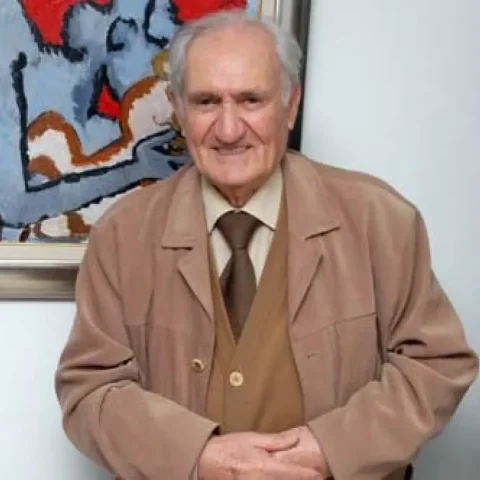
ADNAN TURANİ (1925, Istanbul – 2016)
Painter, art historian, academician. Born in 1925 in Beşiktaş / Istanbul. After graduating from the Istanbul Teachers' School as a primary school teacher, he won the talent examinations in 1945 and entered the Ankara Gazi Education Institute, Department of Painting and Crafts, graduating in 1948. He worked as a painting teacher in teachers' schools and high schools for about five years. Going to Europe in 1953 with a scholarship he won, he worked with Franz Nagel at the Academy of Fine Arts in Munich, Germany, with Henninger and Willi Baumeister at the Academy of Fine Arts in Stuttgart, and with Heins Trokes at the Academy of Fine Arts in Hamburg (1959-70). Having completed his undergraduate and graduate studies, he returned to Turkey.
After returning to his homeland, Adnan Turani continued his teaching duties at the Gazi Education Institute, Department of Painting and Crafts until 1970. In the same years, he also gave lectures at the Hacettepe University Faculties of Literature and Fine Arts. In 1972, he began his doctoral studies at Hacettepe University and served as the coordinator of the Institute of Fine Arts. Completing his doctoral studies in 1973 with his thesis titled "Factors Creating Modern Plastic Arts", he became an associate professor in 1978. Until 1986, when he became a professor, he served as a faculty member in the Department of Art History at the Hacettepe University Faculty of Literature. In 1986-87, he served as the Head of the Department of Painting at the Bilkent University Faculty of Fine Arts.
Adnan Turani's first article titled "A Capital Without an Academy" was published in the newspaper Öncü in 1960; his later articles were published in magazines such as Varlık (1960), Türk Dil (1966), etc. He published the magazine Sanat ve Sanatçılar between 1964 and 66. He traveled and saw numerous European countries, various Middle Eastern countries including Russia, Israel, and Saudi Arabia, as well as Far Eastern countries. He participated in many domestic and international exhibitions, fairs, biennials, and triennials. He received the State Painting Award in 1972 and 1974, the Ankara Art Association Artist of the Year Award in 1991, the Sedat Simavi Visual Arts Award in 1993, the 2001 Ankara Art Fair Award, and the 2001 Contemporary Artists Foundation Honor Award. In 1998, Eskişehir Anadolu University conferred upon him an "Honorary Doctorate". He is a member of the Association Internationale des Critiques d'Art. After Ord. Prof. Suut Kemal Yetkin, he served as the president of the Association of Art Critics between 1975-80 and as the jury president of the Bangladesh International Asian Art Biennial. Alongside these efforts, Turani has published about fifteen books on the aesthetics of plastic arts, art philosophy, and art history, as well as scientific articles written in the field of art. In addition to his painting works, Turani also produced lithographs, murals, and concrete sgraffitos.
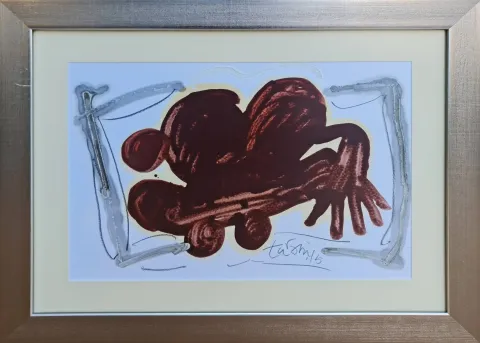
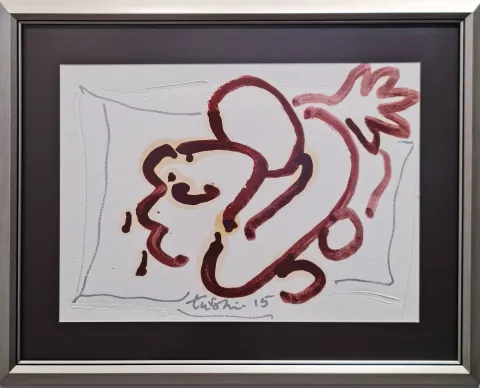
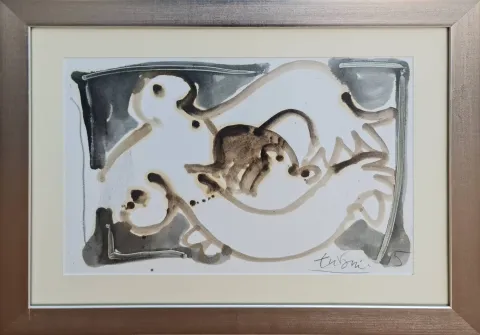
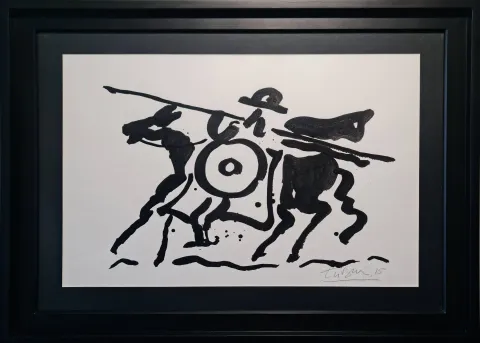
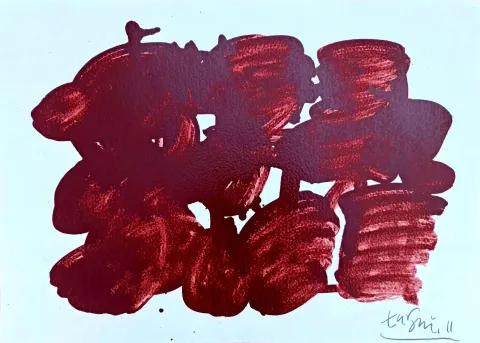
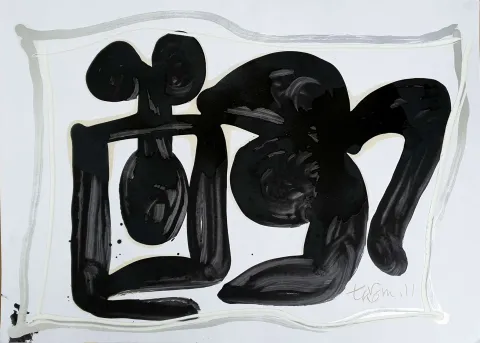
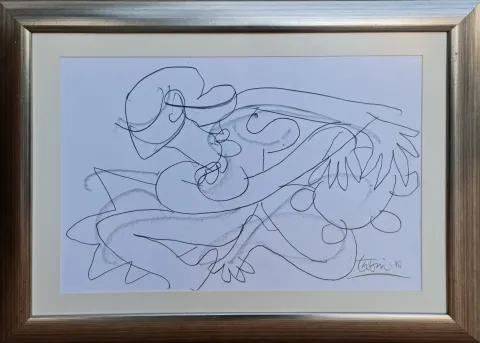
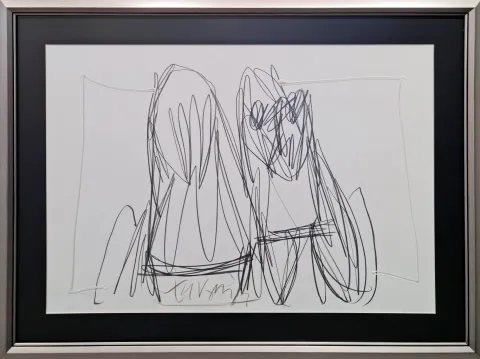
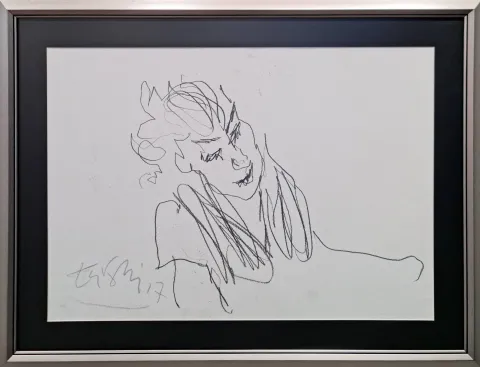
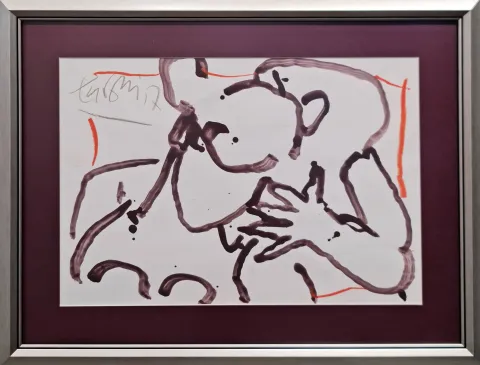
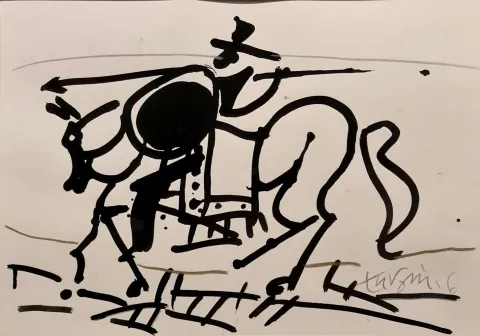
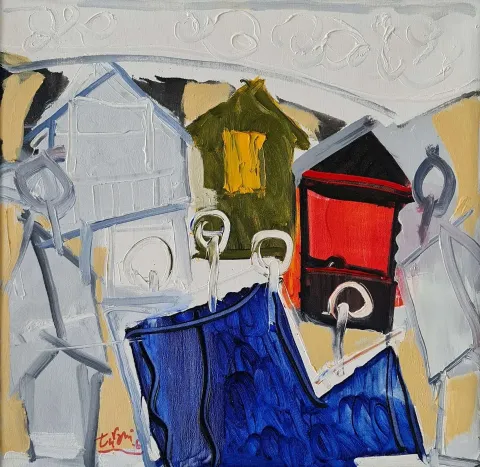
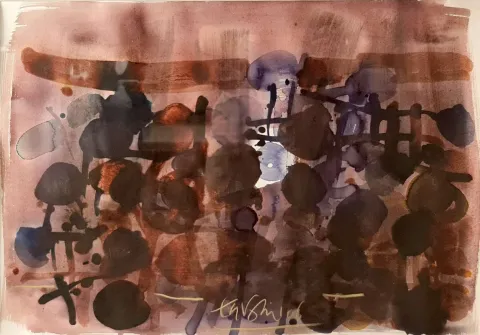
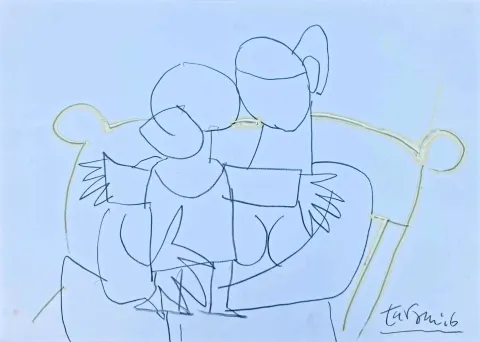
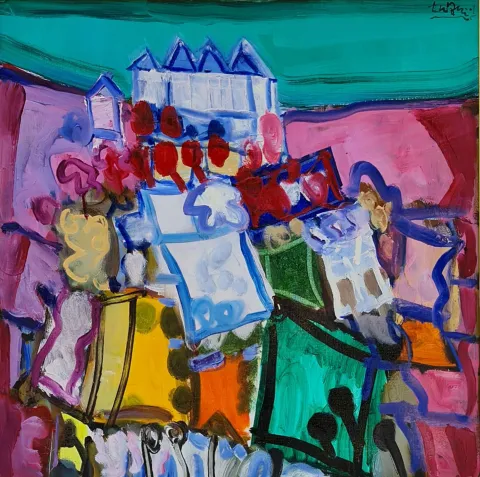
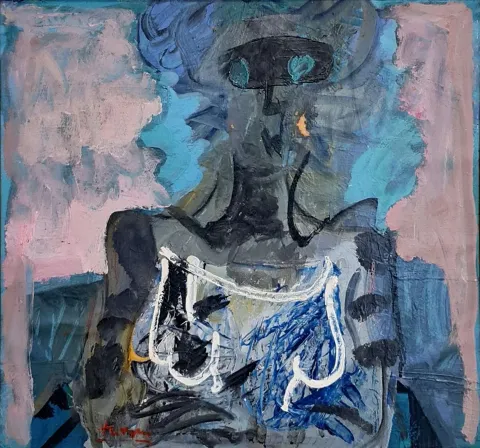
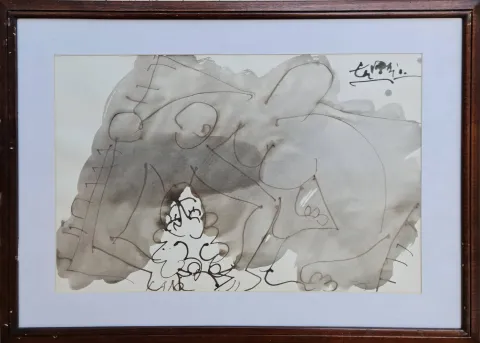
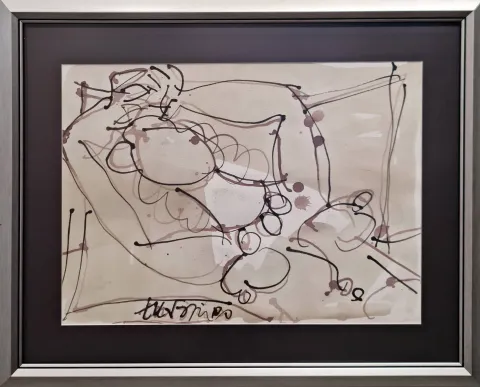
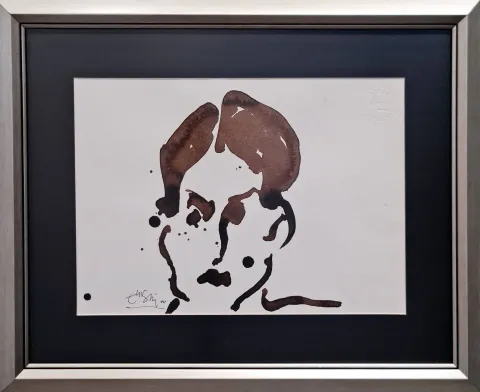
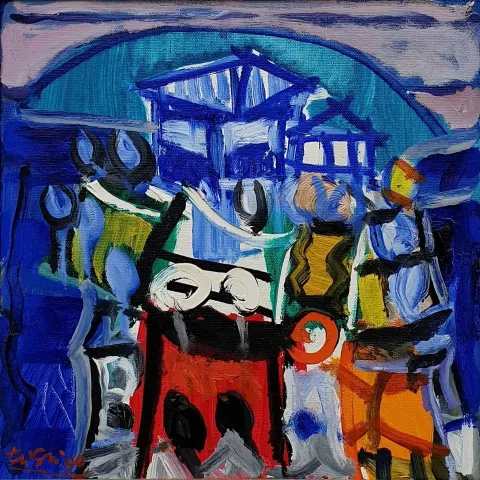
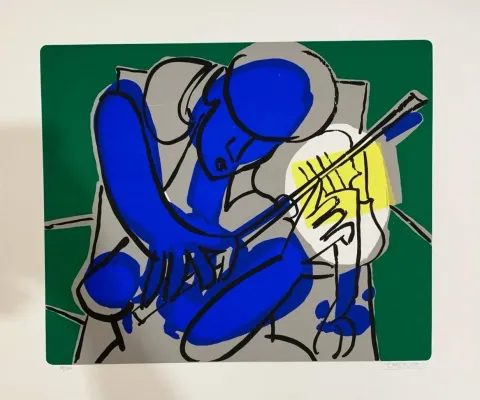
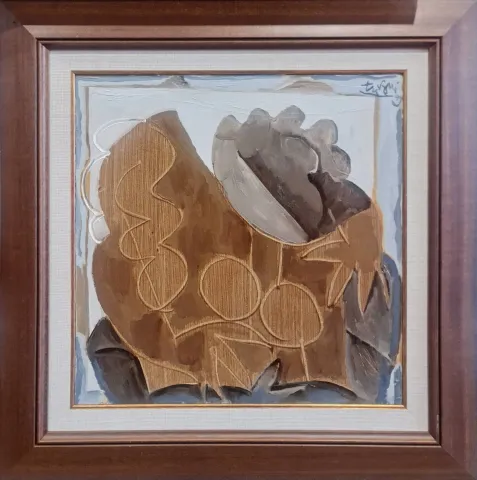
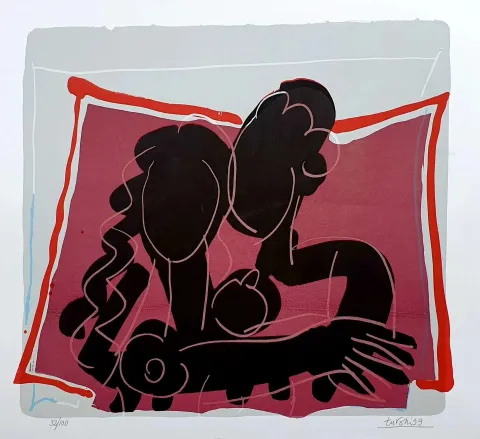
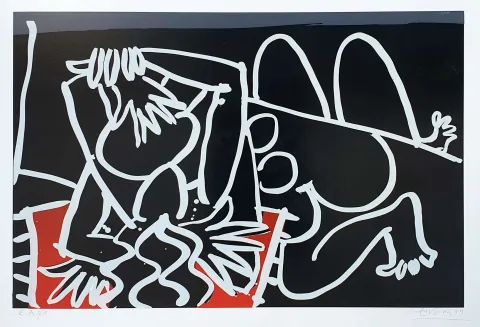
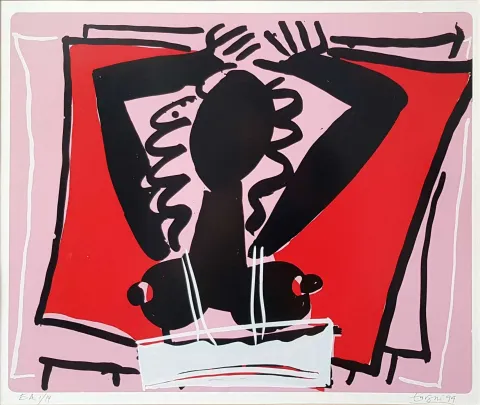
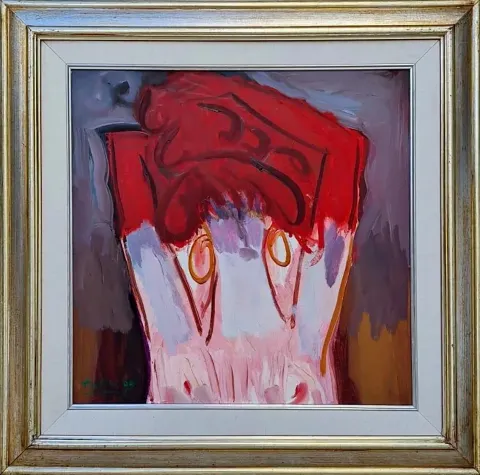
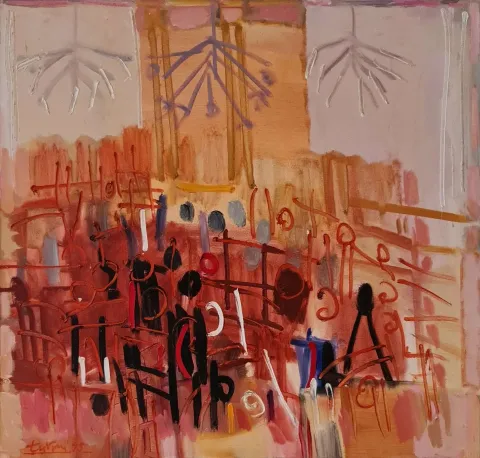
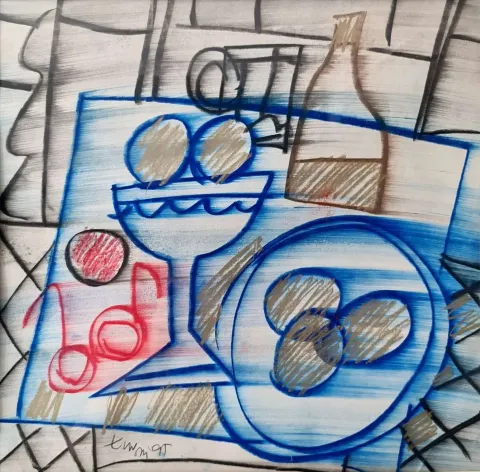
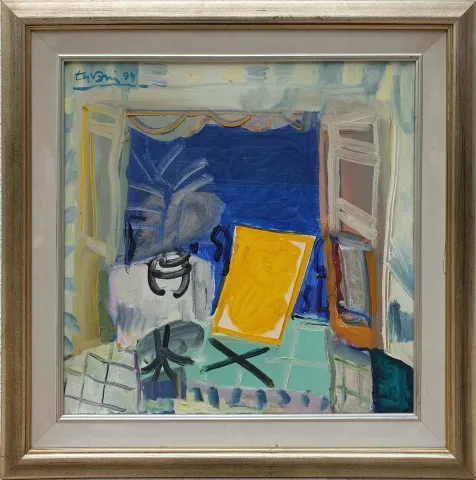
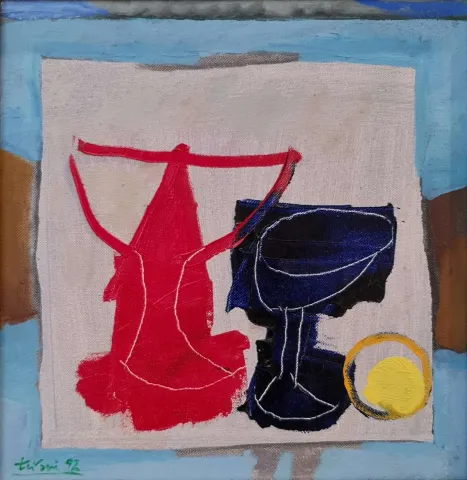
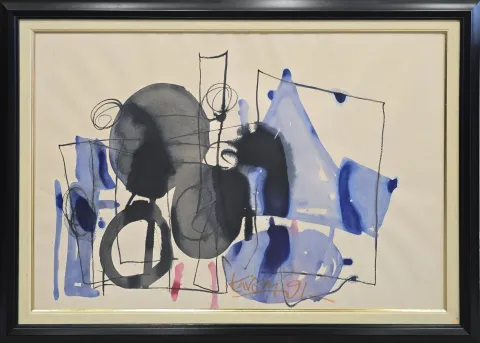
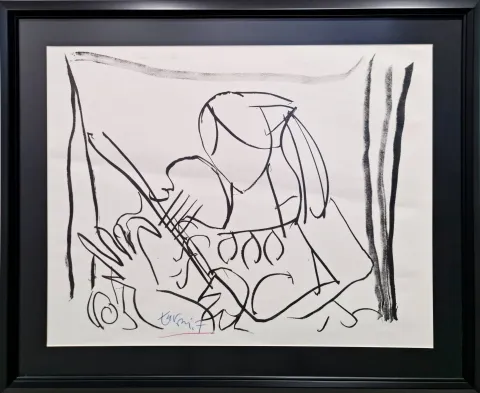
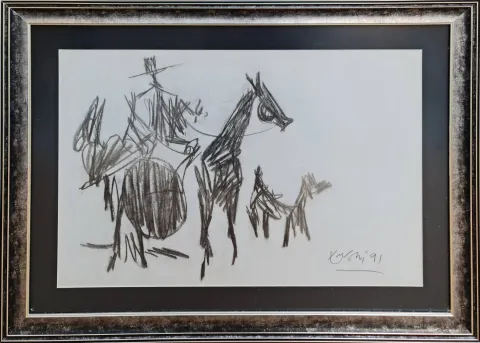
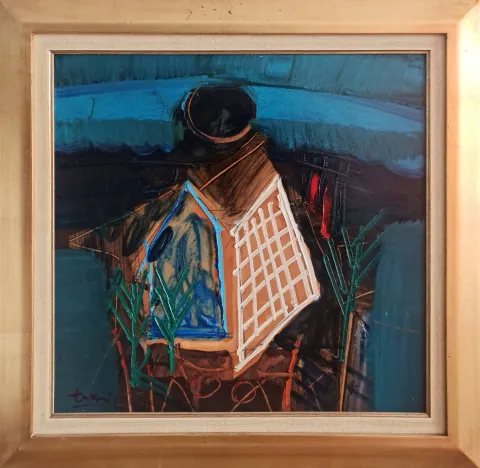
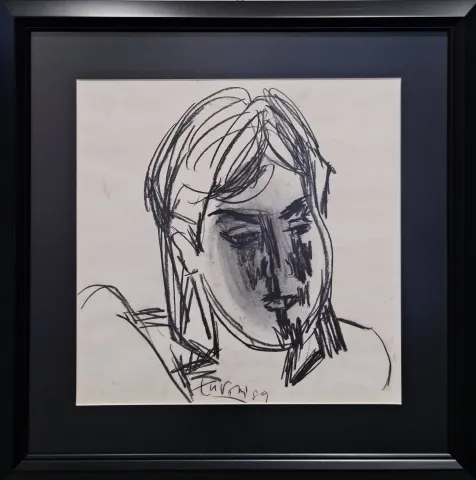
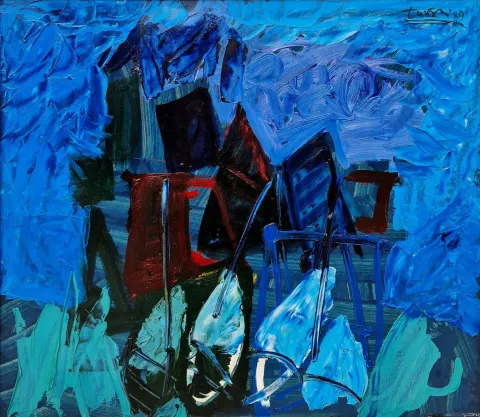
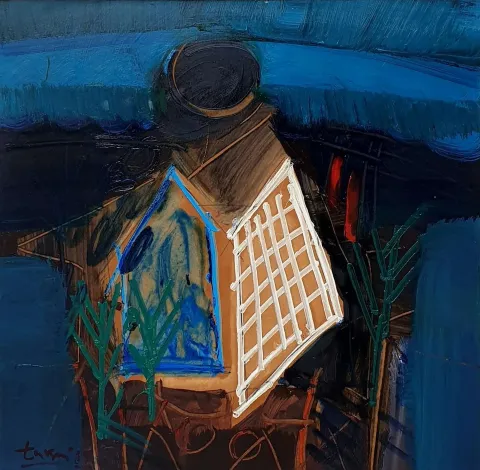
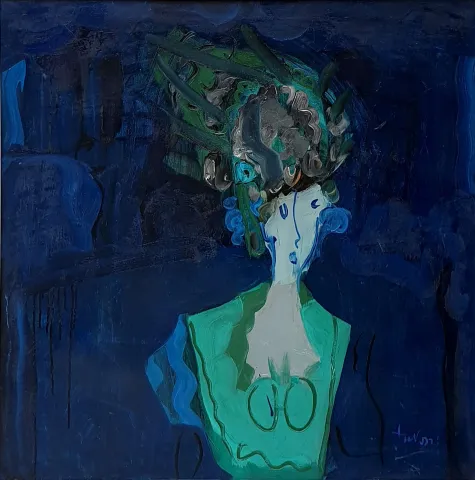
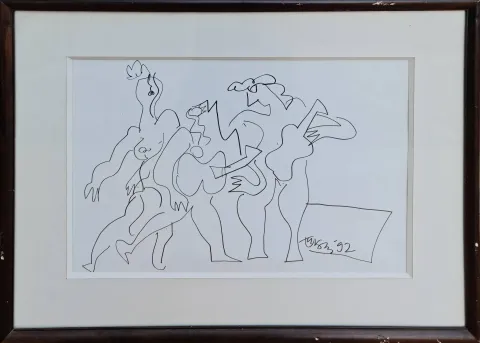
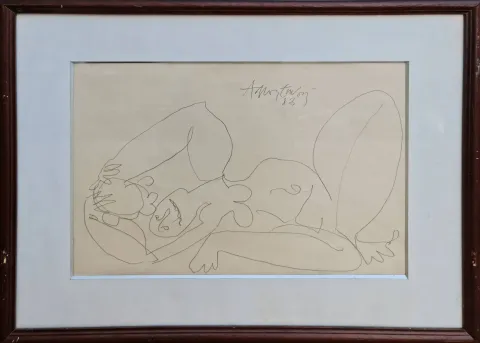
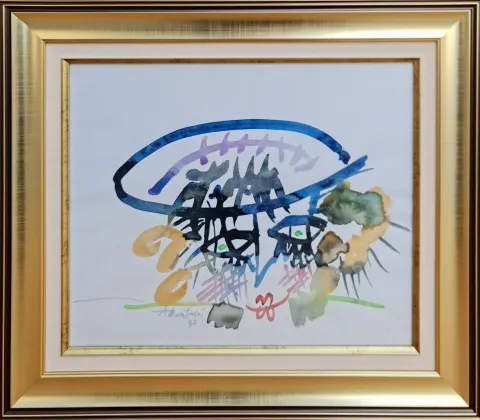
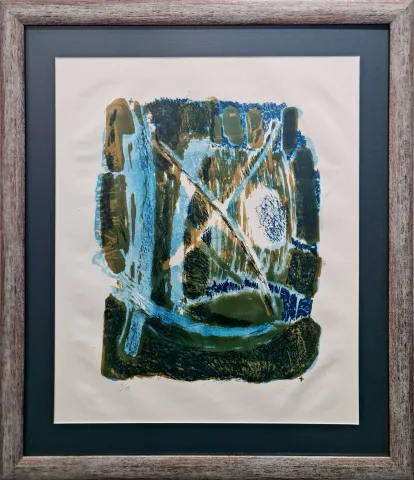
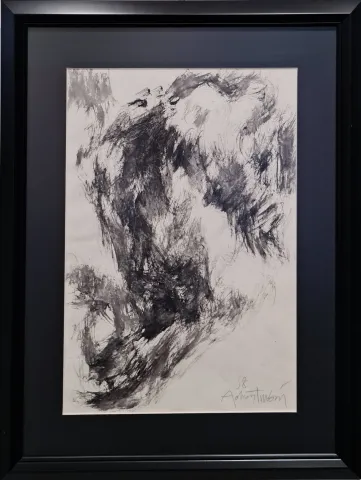
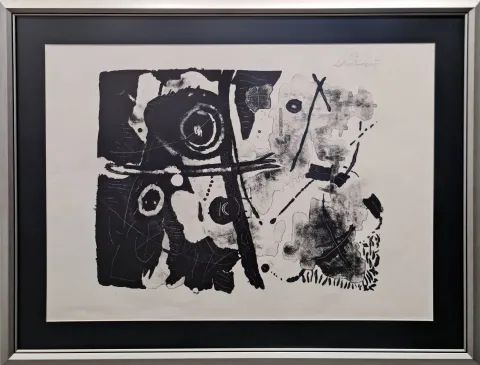
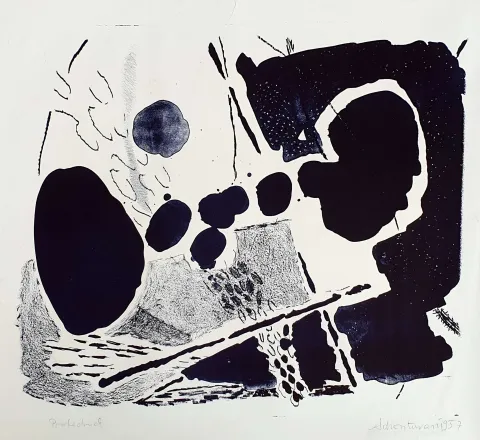
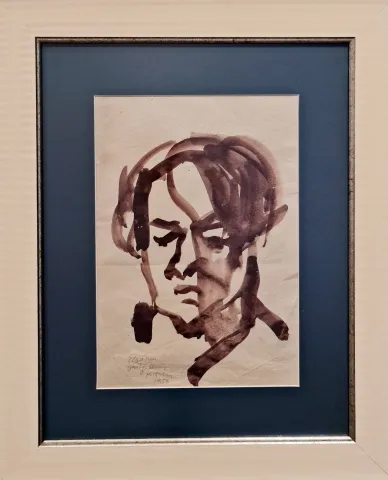
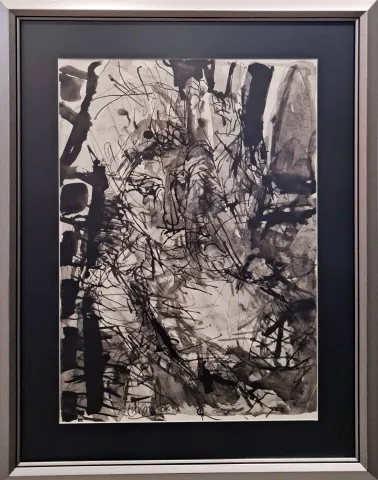
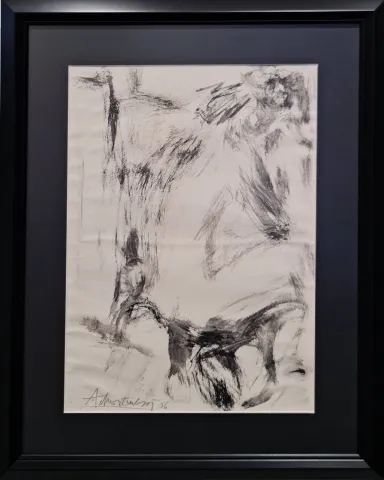
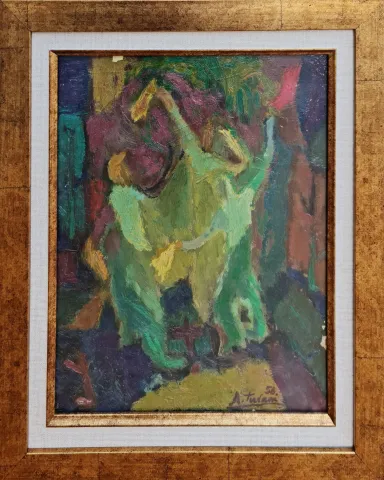
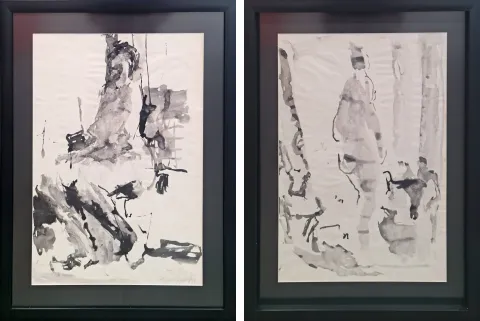
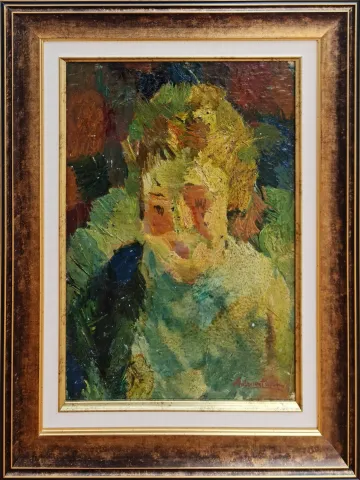
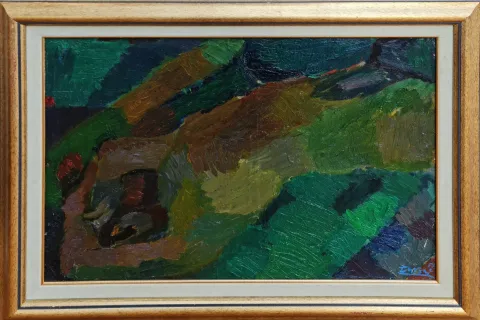
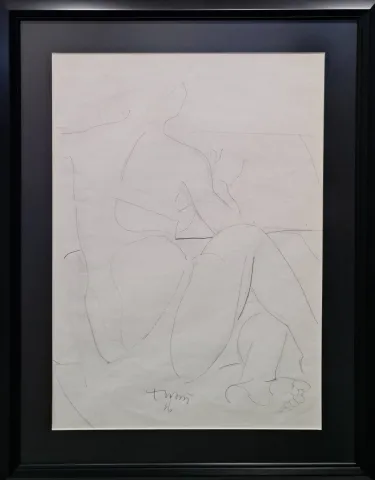
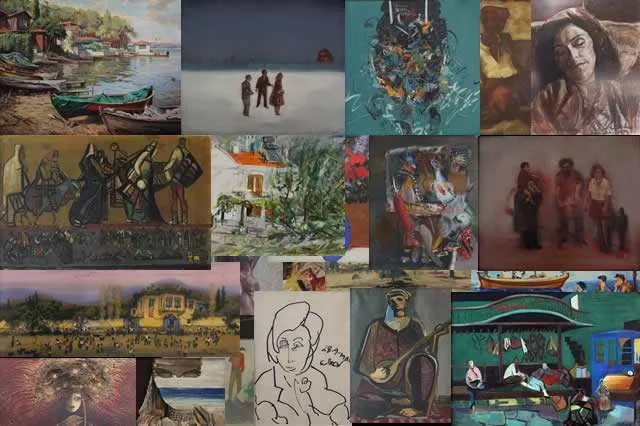
In his art, which showed uninterrupted development until his final years with the guiding contributions of Refik Epikman at the Gazi Education Institute, Adnan Turani advocated for the abstract approach and tried to apply a sincere discipline in this path. It can be said that he developed this discipline as a definitive choice in Trökes's workshop in Germany. Trökes warned him to find the path closest to himself and gave him certain functional keys of abstract logical discipline. When Adnan Turani returned to Turkey in the early 1960s, he endeavored to analyze the abstract concepts at the foundation of his painting within the borders of certain graphic studies and interconnected drawings, wash studies, and with the aid of these keys, while researching the similar aspects of our cultural origins and the abstract line arrangement. The extensions of the lyrical abstract movement, which began to make its impact felt in the West and especially in America towards the 1950s, and his efforts to turn towards original abstract concepts, made their weight felt in the 1970s as a tendency occasionally accompanied by the figure. Even though his lyrical abstract kept its connection with the figure at indirect levels, it aimed to intensify the textural relations of the paint and capture a "painterly flavor" at this point.
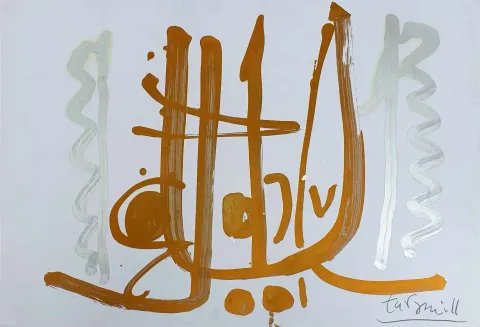
In his work, drawing develops together with paint, sharing the joint activity of a formation. The design process is strictly bound to the formation process in the painting, and this can also be called an organic formation. Technique and expression in his paintings appear as mutually completing parts of a whole. Technique has a very close relationship with expression. A continuous renewal and research towards ensuring that forms take their place in the painting as living elements, rather than being dead forms conditioned by the subject, closely interested Adnan Turani. In this aspect, an attitude against academic abstract-origin tendencies was also out of the question for his paintings. On the other hand, the fact that he developed a written (calligraphic) painting arrangement can be tied to certain cultural problems. However, from this perspective, he does not act with dogmatic measures; he tries to find transitions between the possibilities of written composition and abstracted figure arrangements.
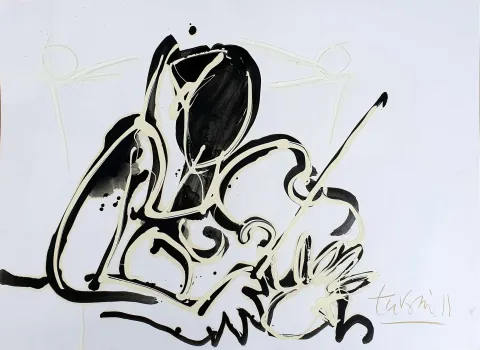
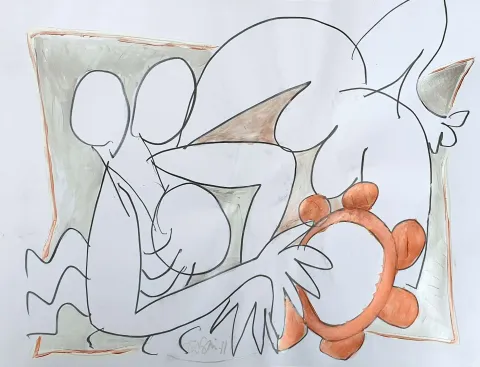
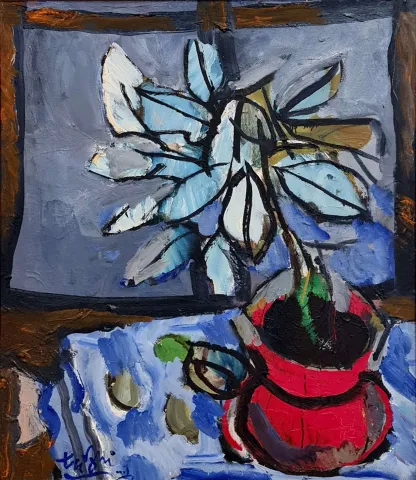
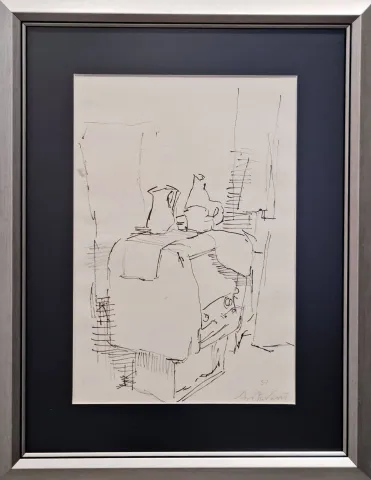
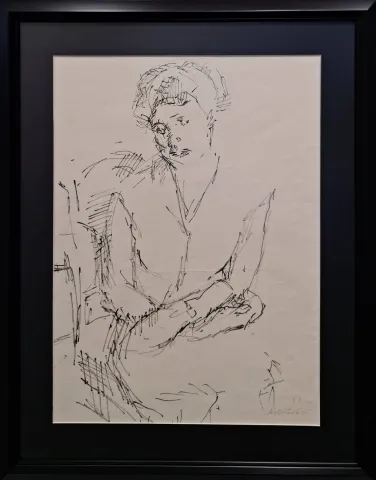
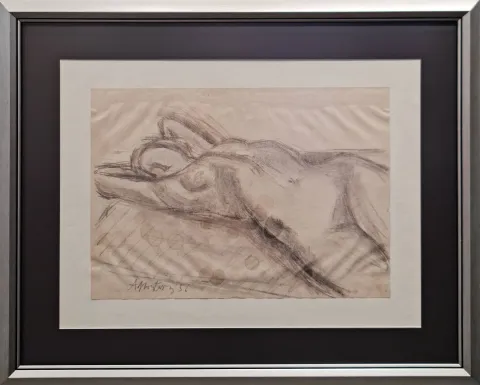
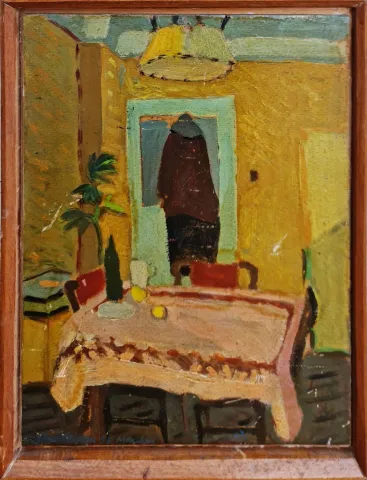
Having also worked on abstraction and abstract studies during his student years in Europe, Turani reached a non-figurative, lyrical-abstract expression language, which was not entirely based on nature in painting, towards the 1960s. In his works from the 1970s-80s and afterwards, figure elements such as women and still life began to take place again. His painting understanding relies on the search for an abstractly constructed effect form. For him, what matters is not the form of nature, but the pictorialized construction of nature's form. His paintings rely not on the deformation of the optical image form, but on an understanding of artistic construction—abstract, meaning unknowable in advance—which can be found by researching the effect form over time. Adnan Turani is one of the most important representatives of abstract painting in Turkey. At the same time, he is one of the important figures of modern painting as an educator and writer. His paintings have taken place in biennials and international exhibitions organized by many countries outside of Turkey.
While serving as a faculty member at Gazi University, Hacettepe University (1970-86), and Bilkent University (1986-92), Turani gave lectures on painting, fine arts, art work analysis, and art history. In 1993, he retired from Bilkent University, where he last worked. After retiring, he continued his work through studies in his private studio in Ankara, the city where he lived. He held over thirty solo exhibitions domestically and abroad, and also participated in numerous group exhibitions.
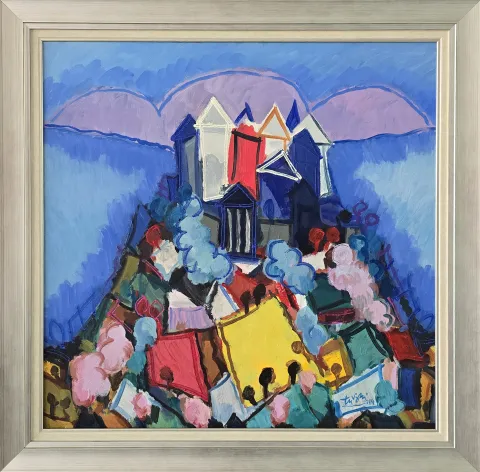
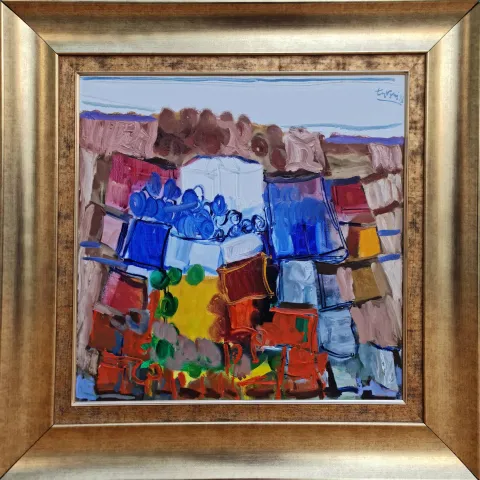
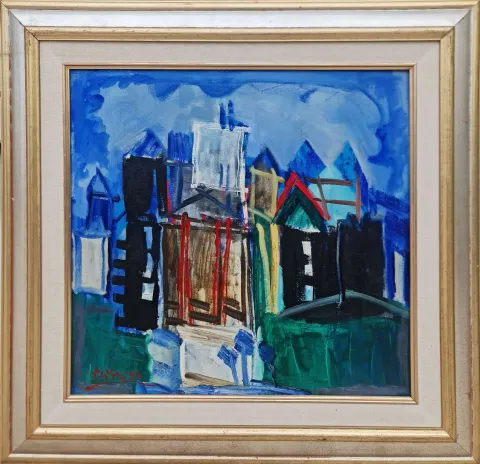
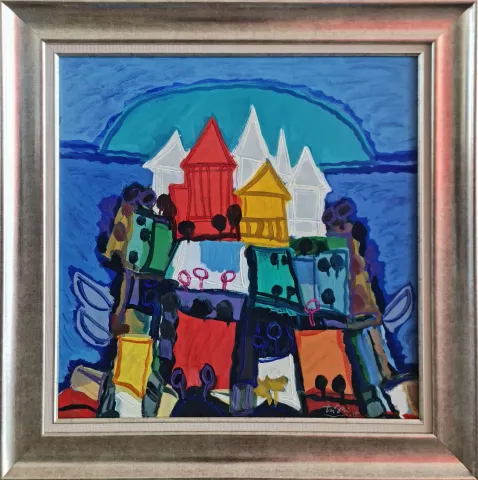
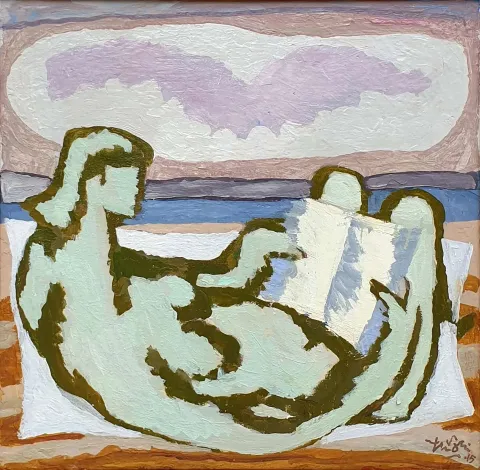
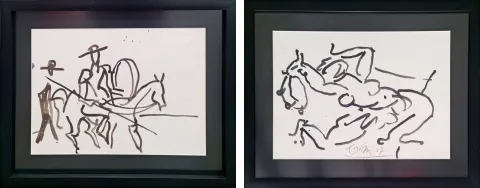
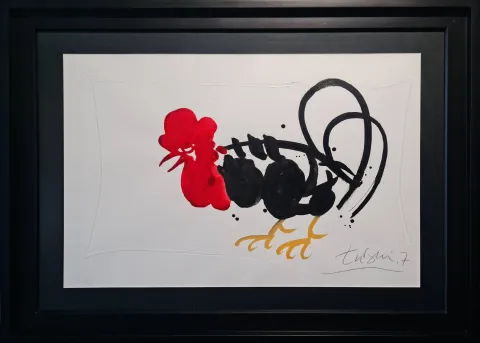
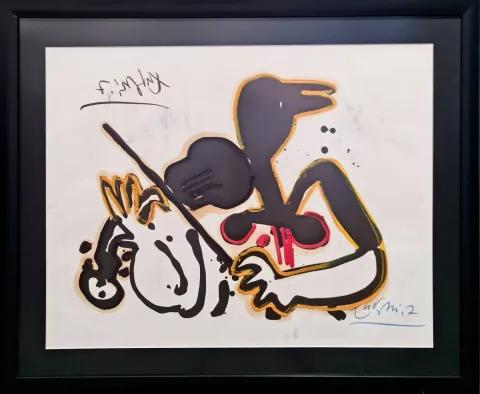
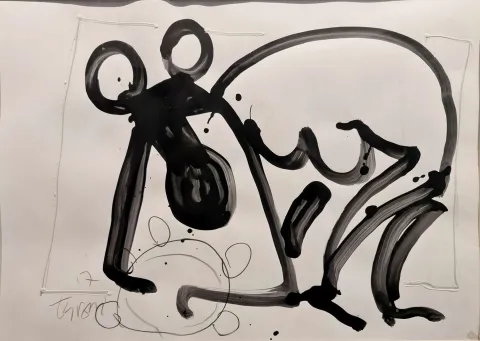
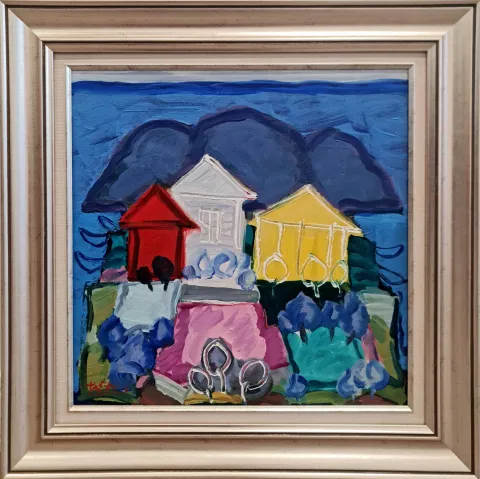
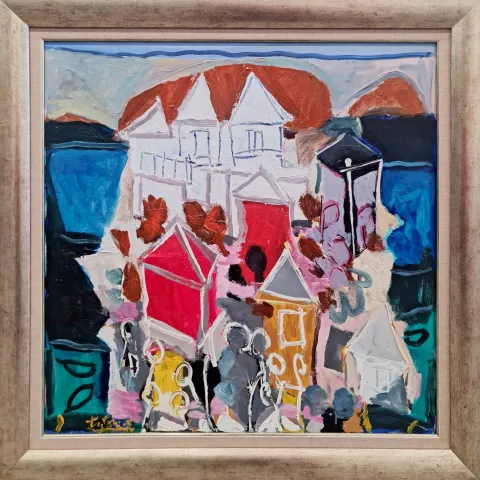
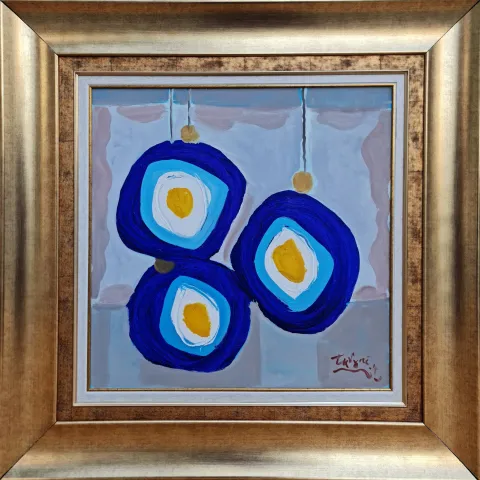
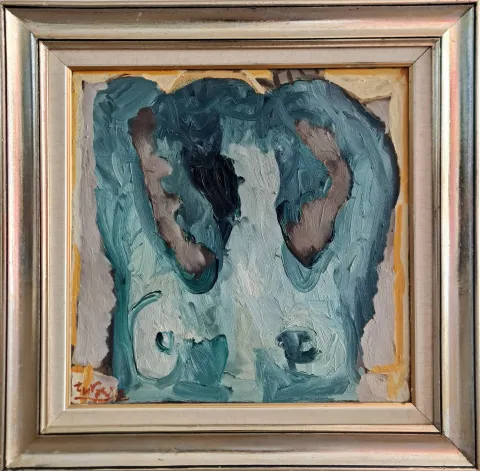
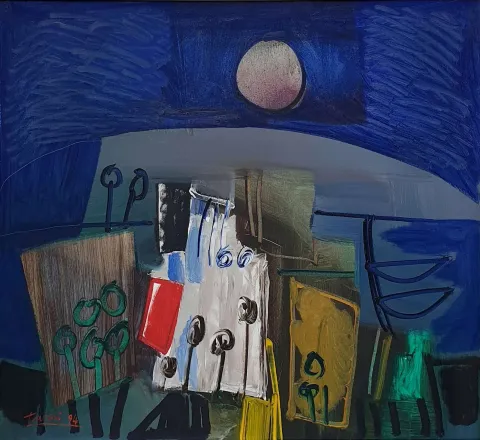
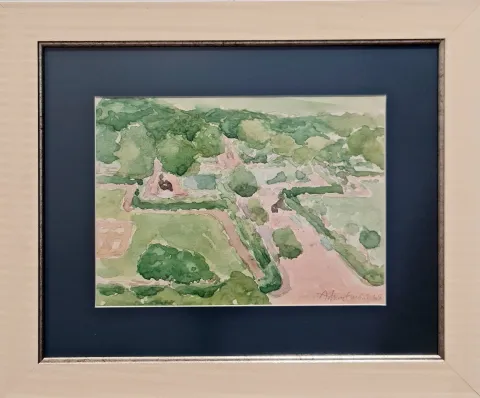
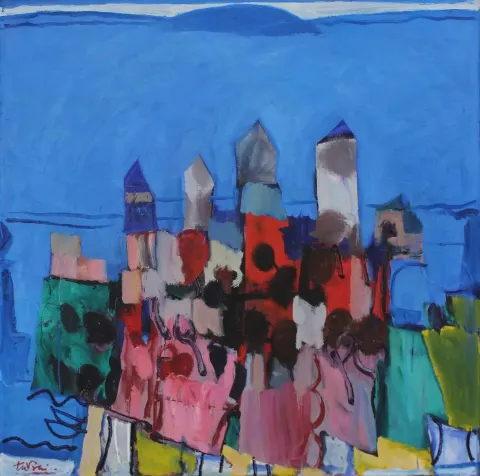
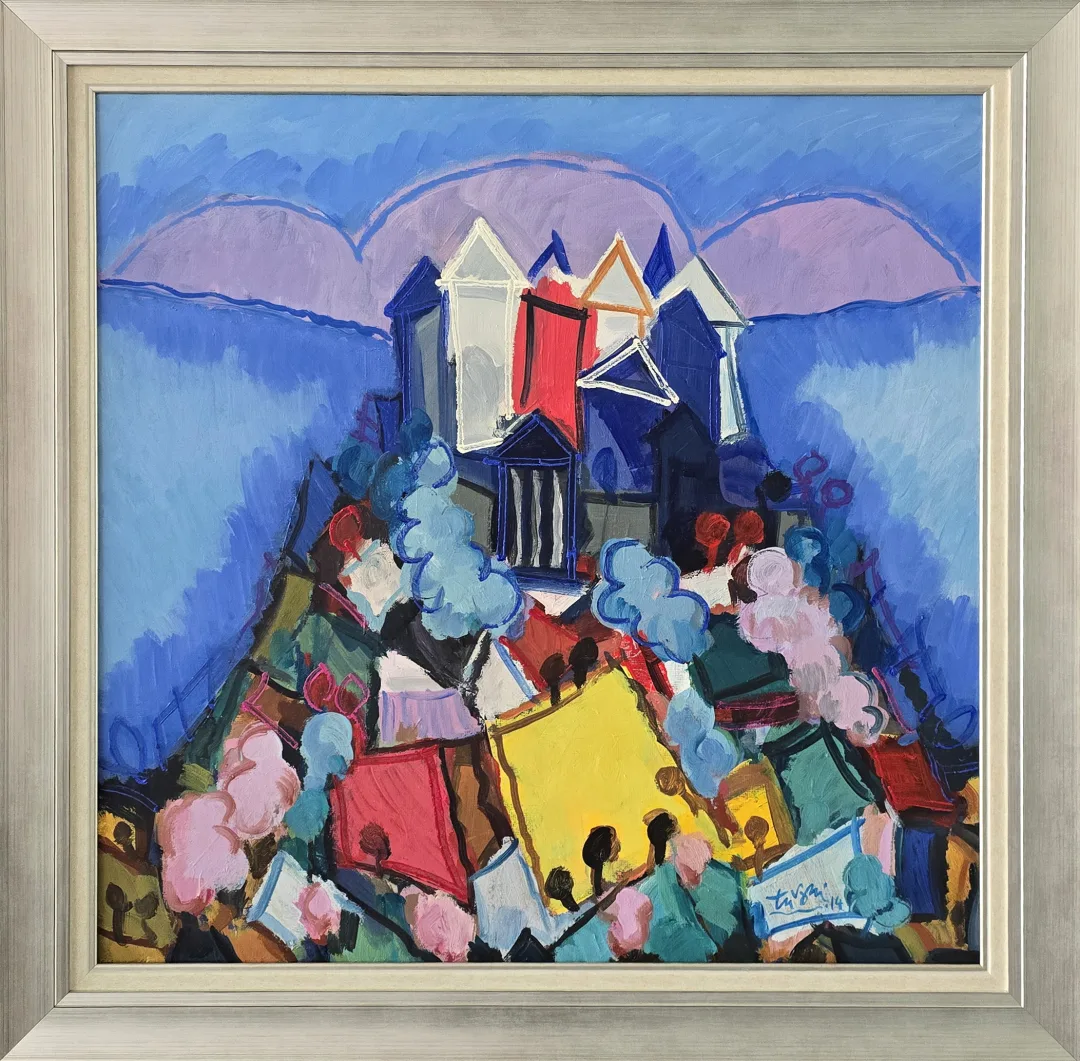 Marmaris
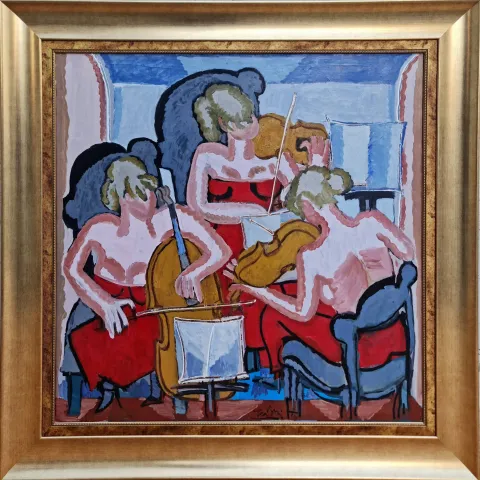
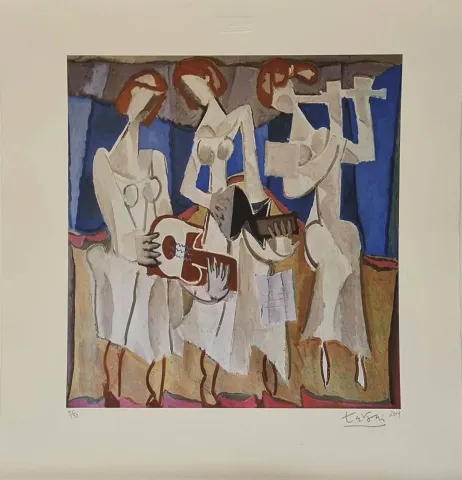
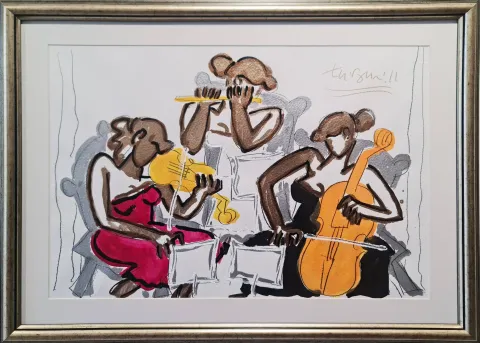
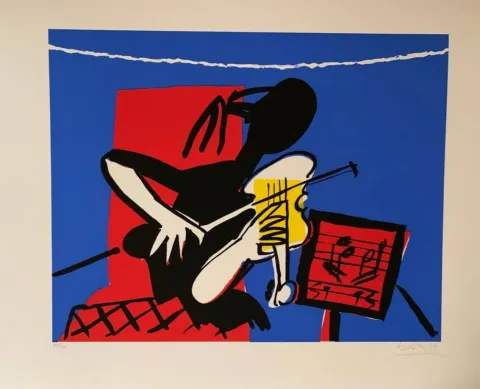
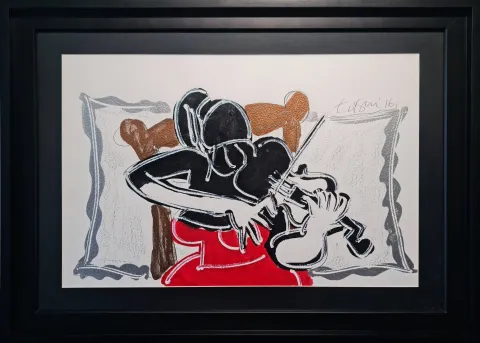
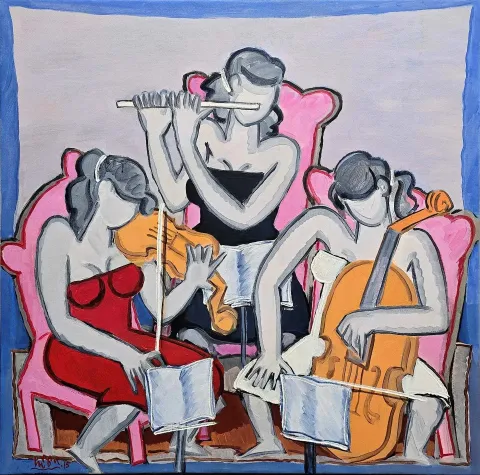
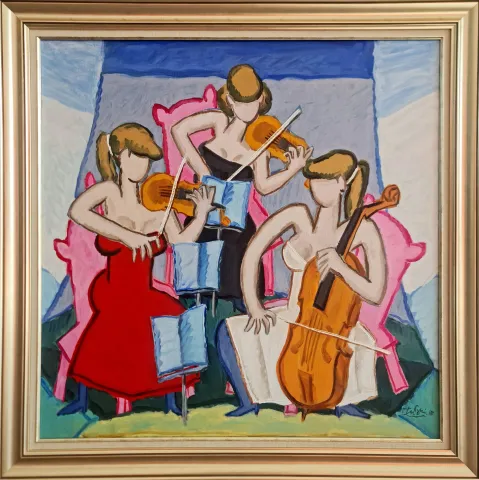
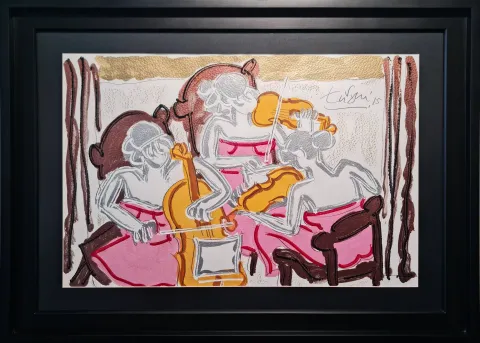
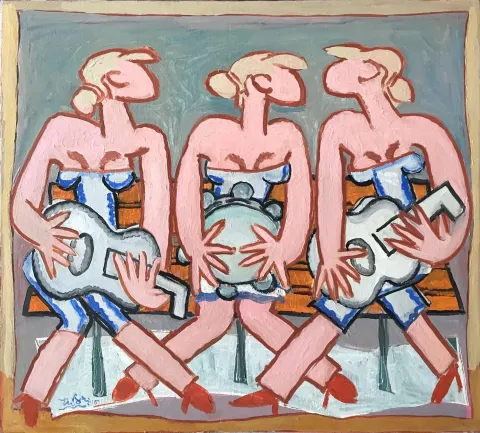
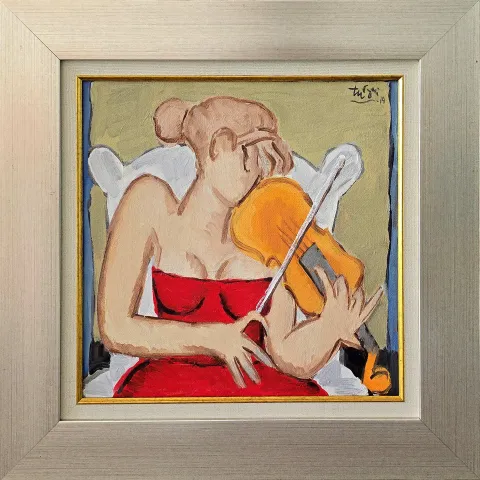
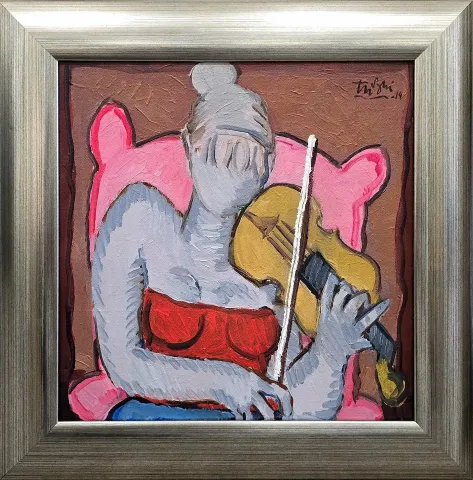
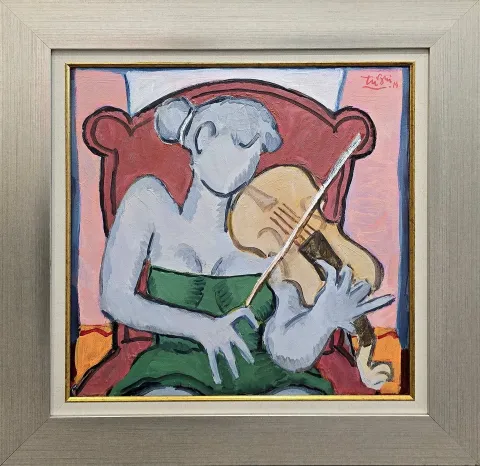
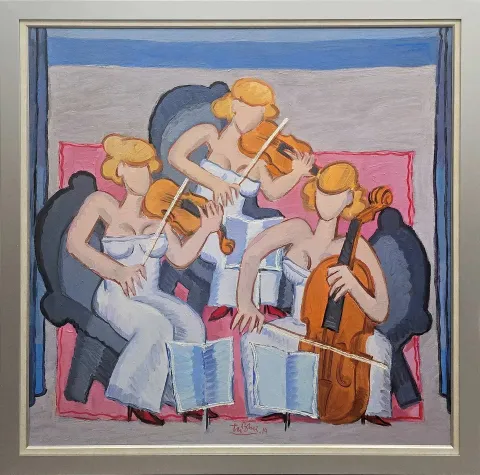
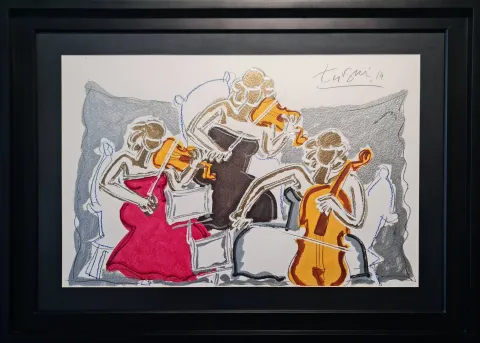
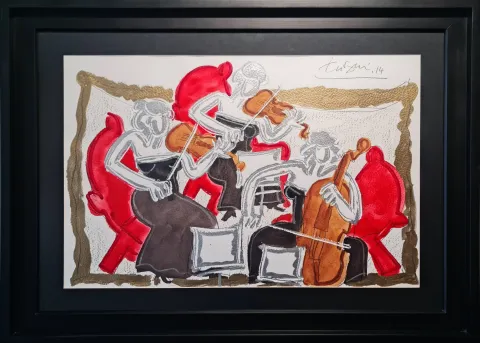
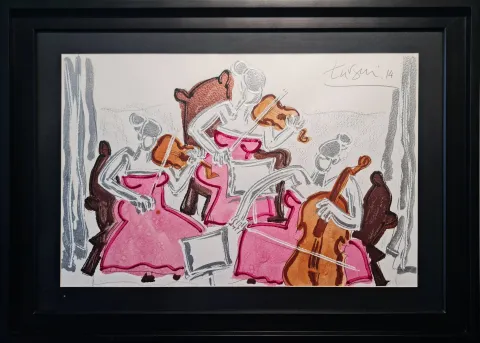
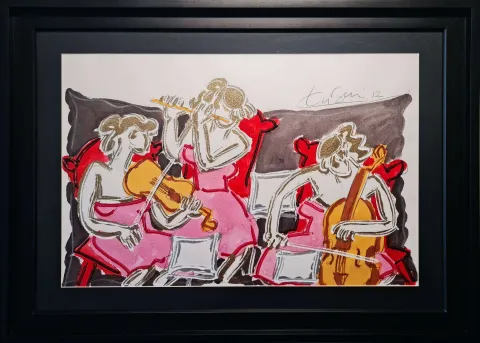
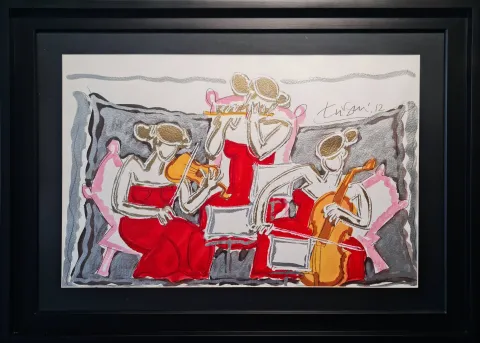
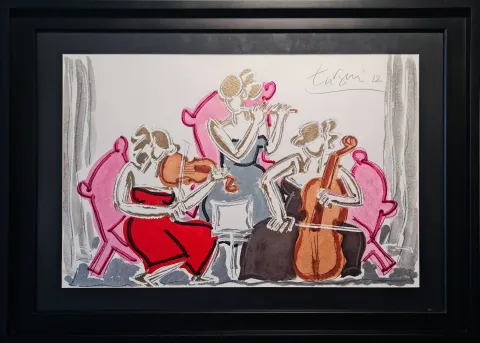
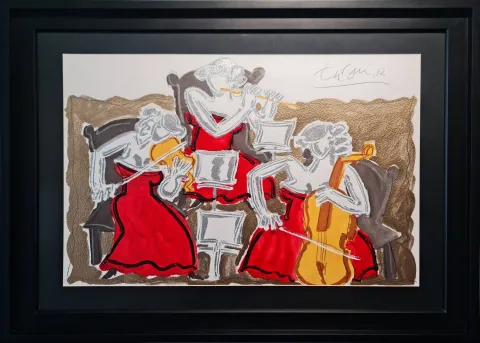
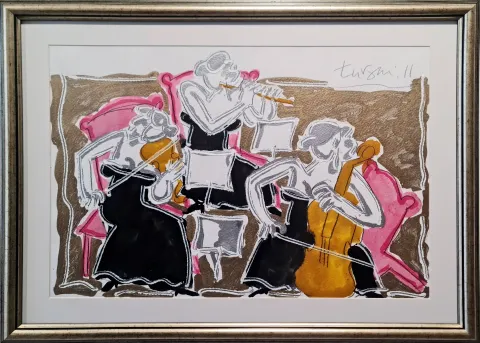
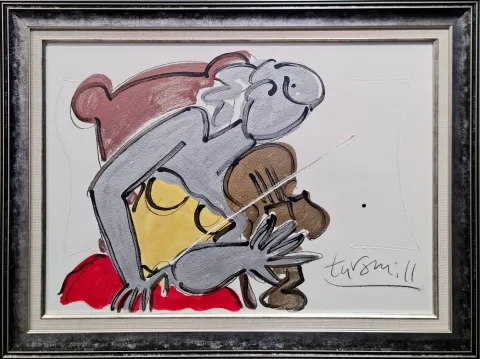
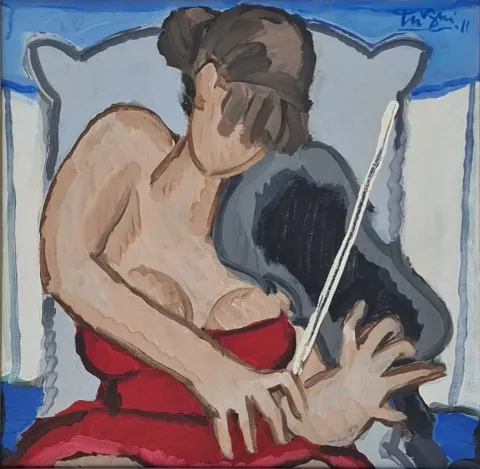
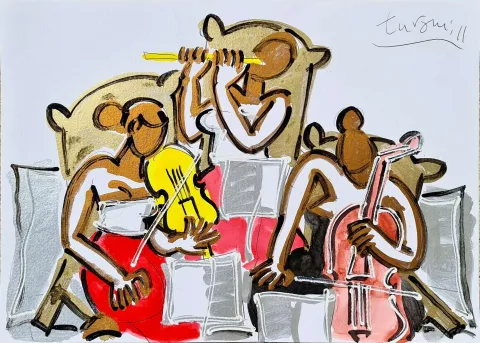
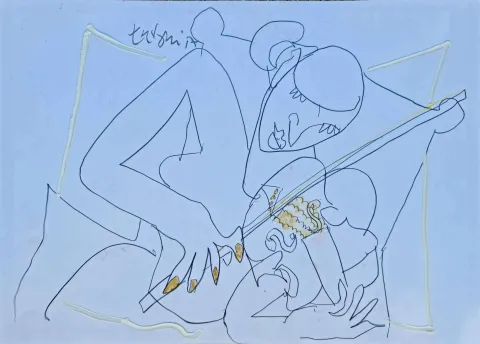
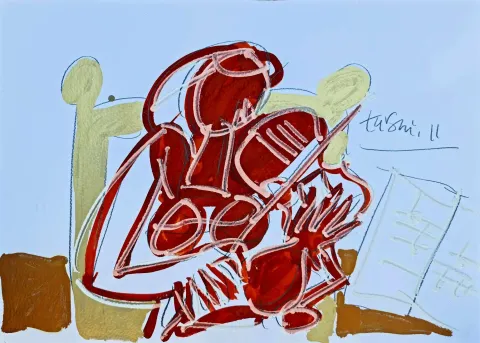
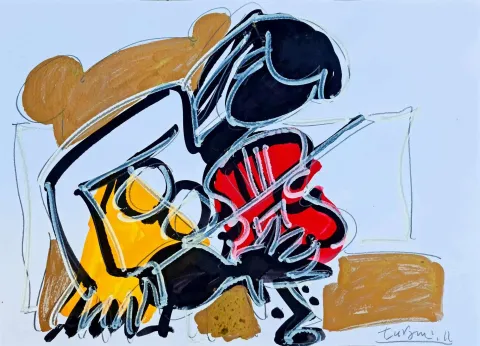
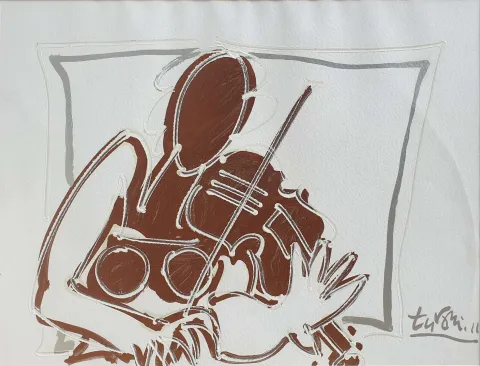
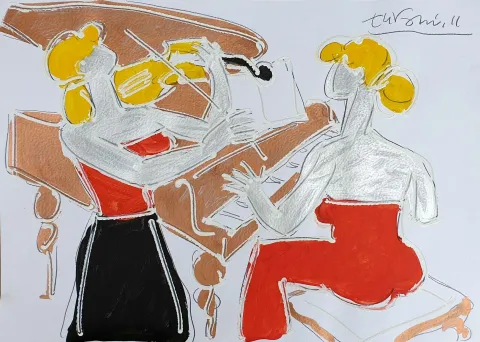
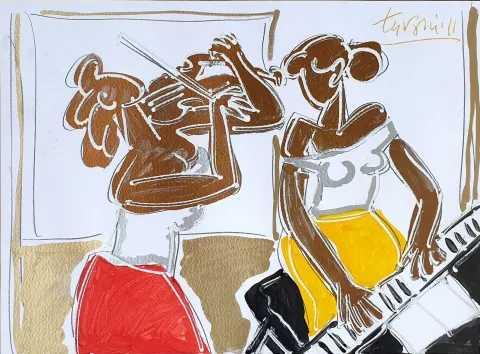
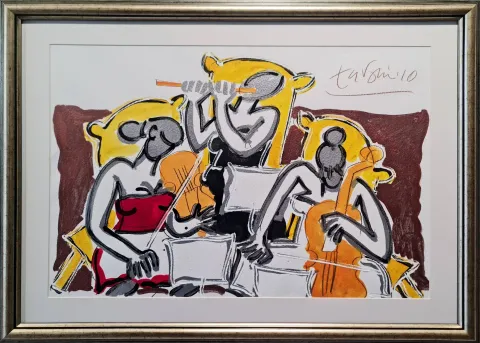
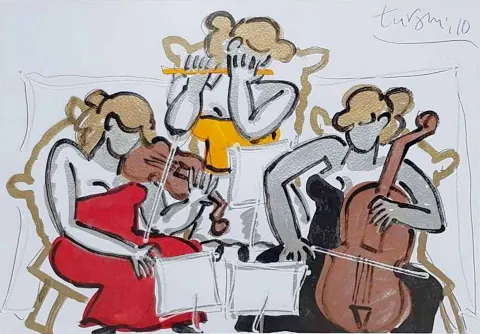
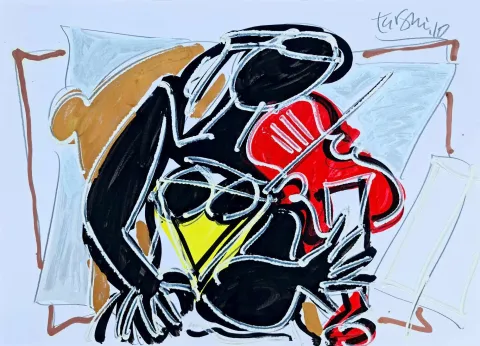
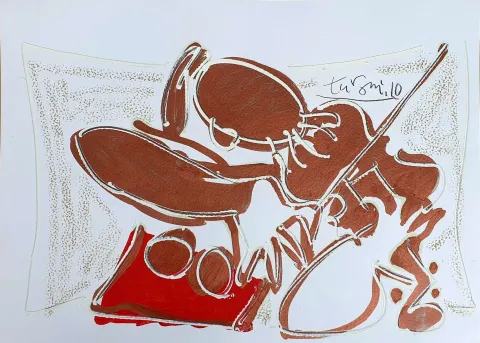
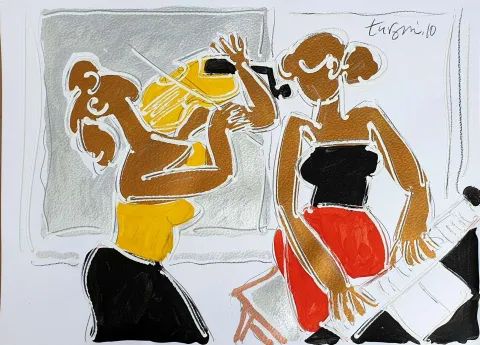
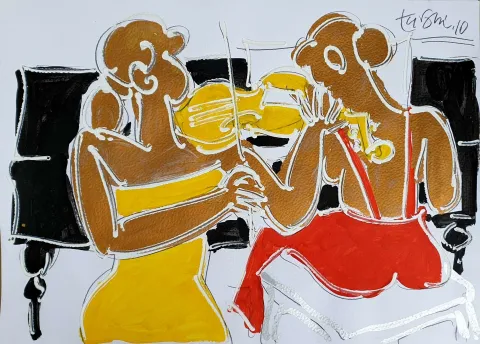
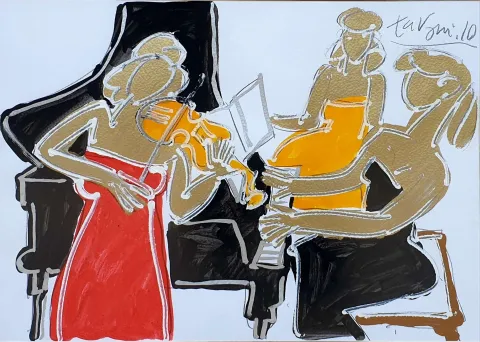
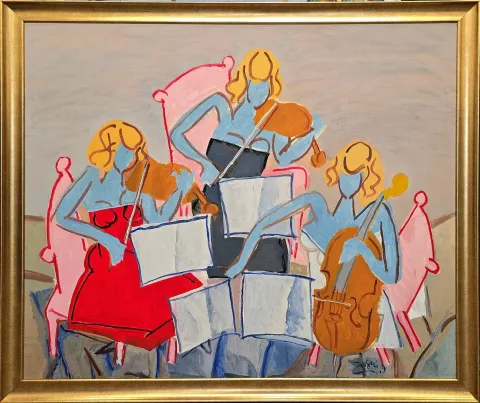
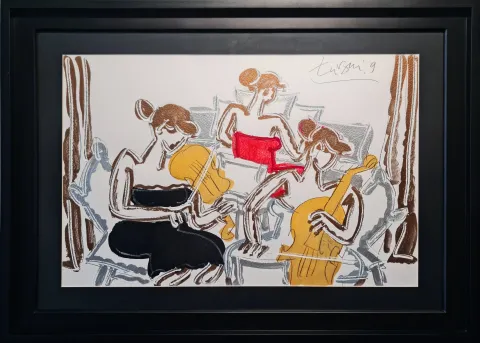
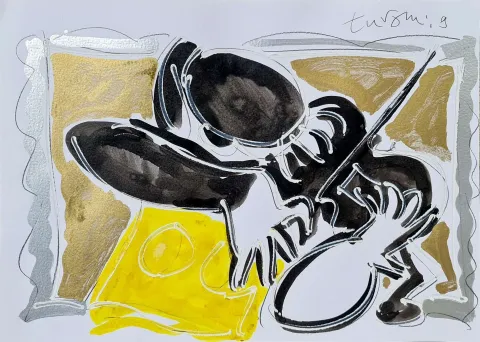
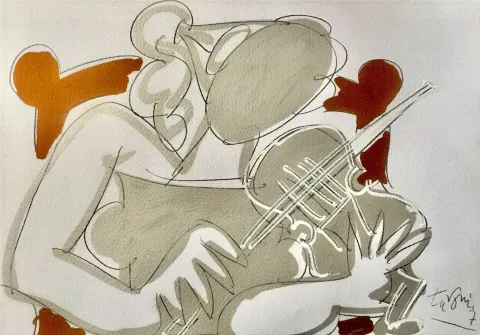
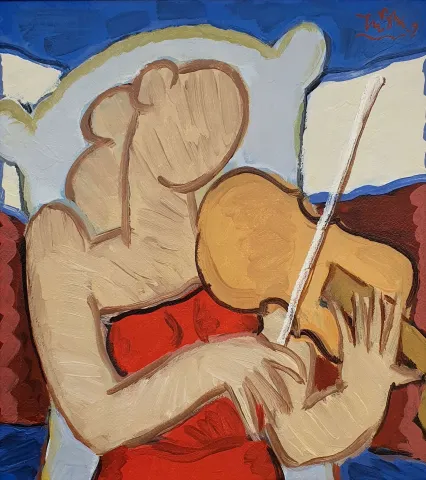
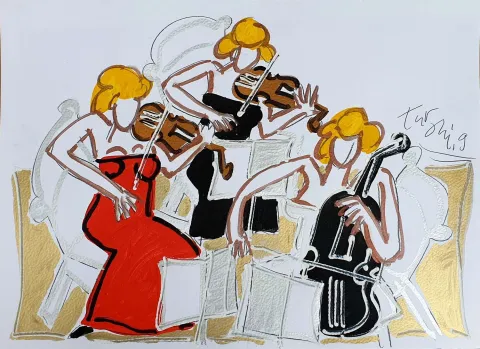
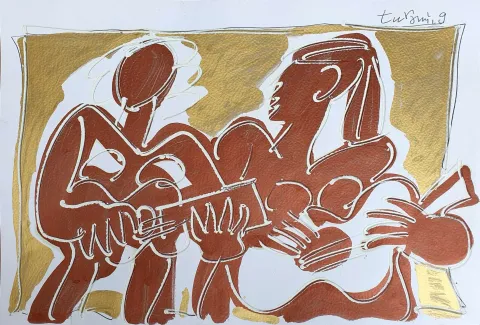
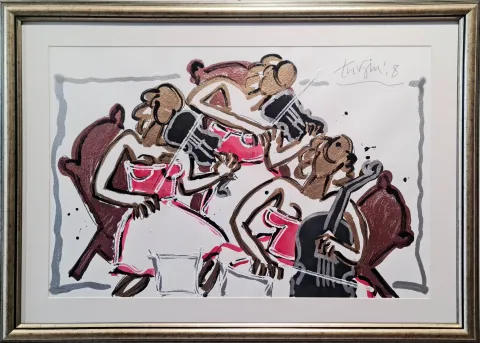
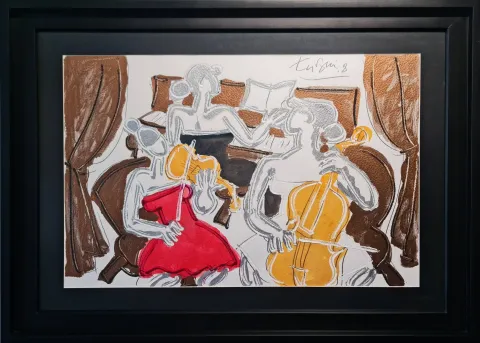
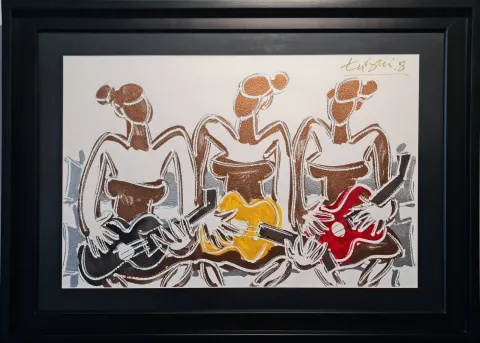
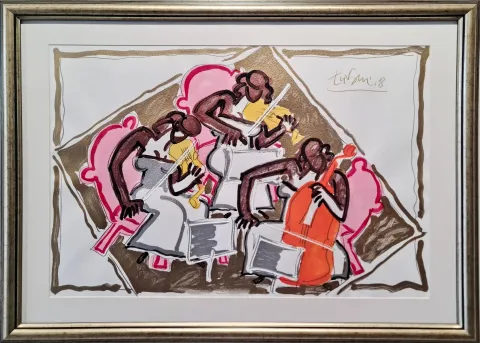
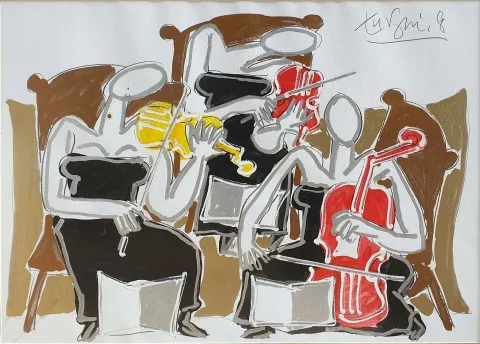
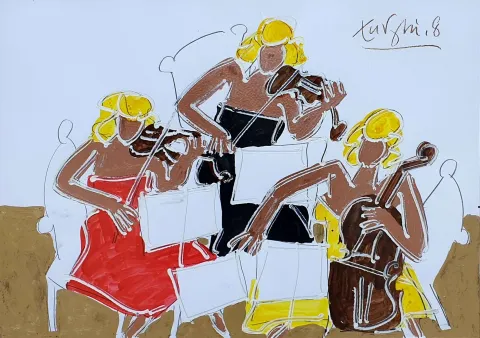
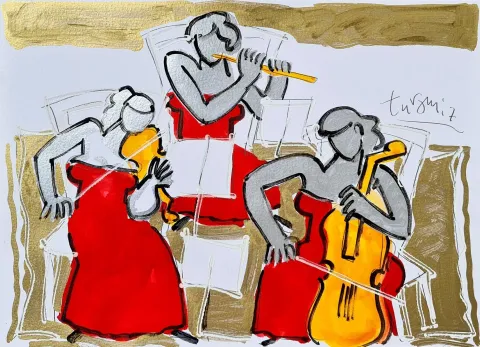
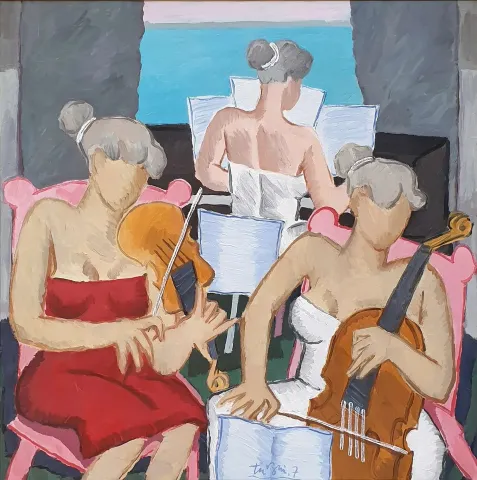
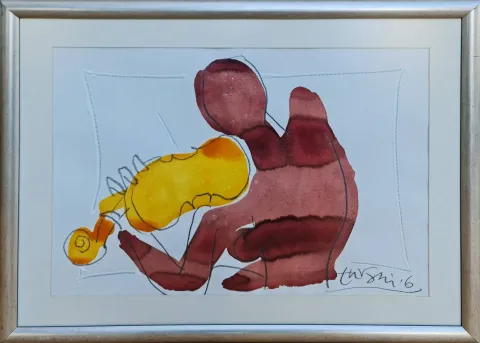
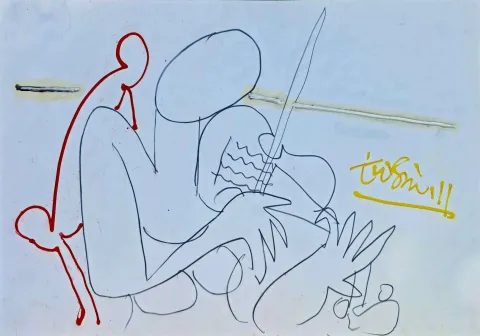
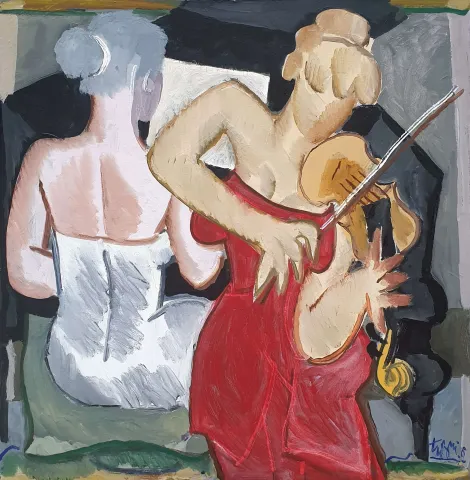
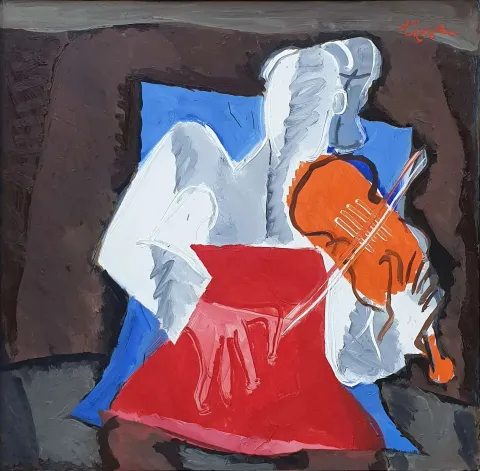
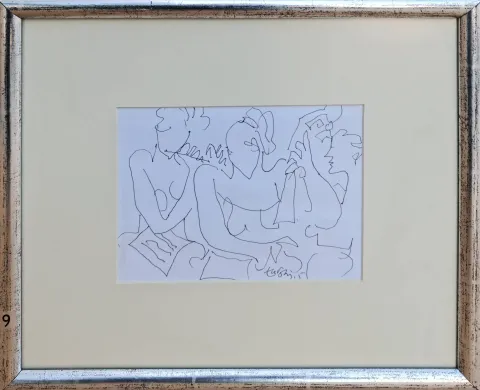
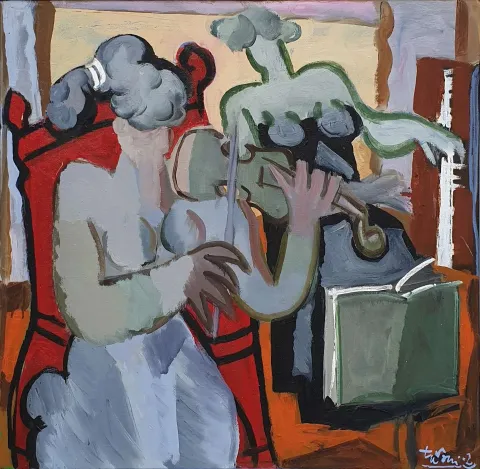
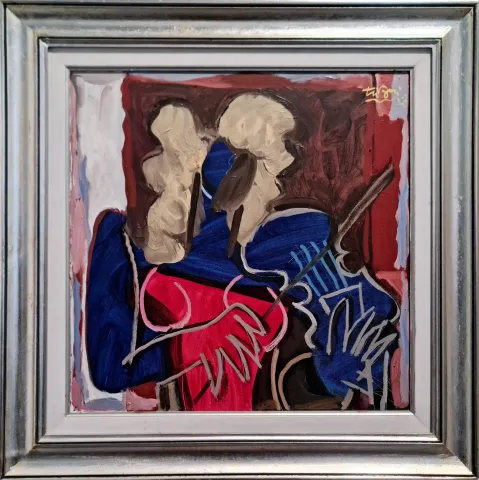
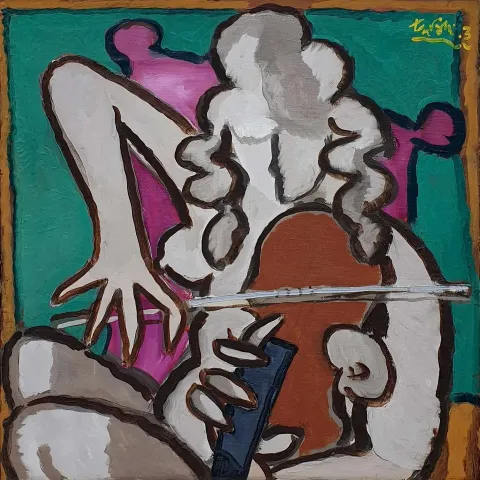
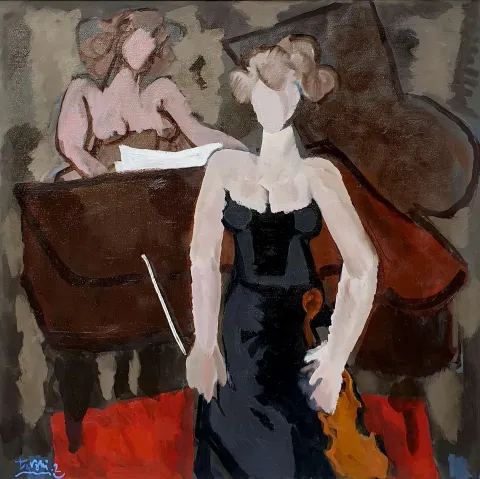
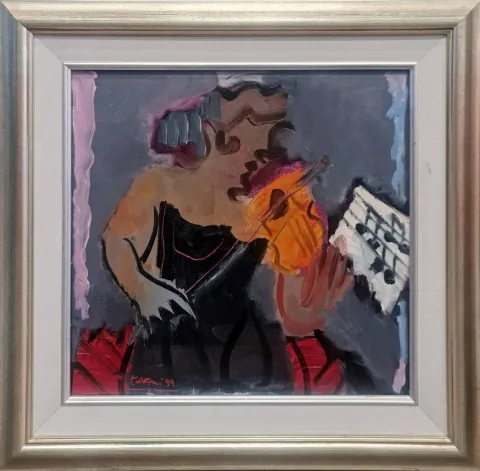
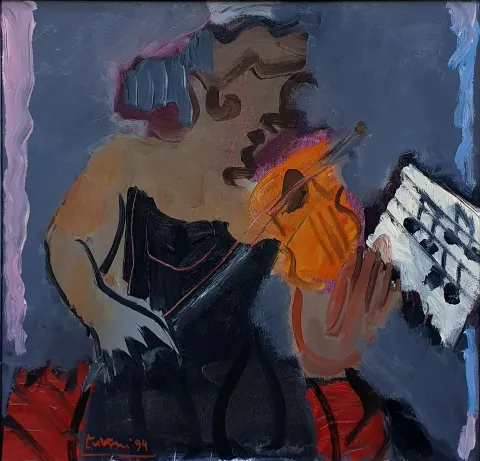
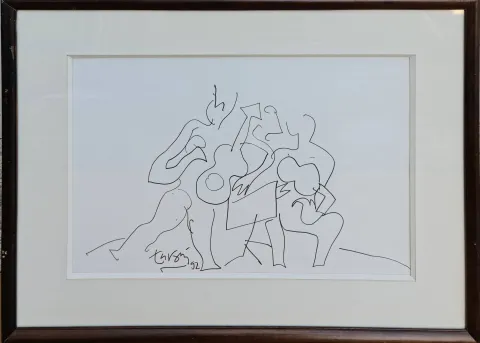
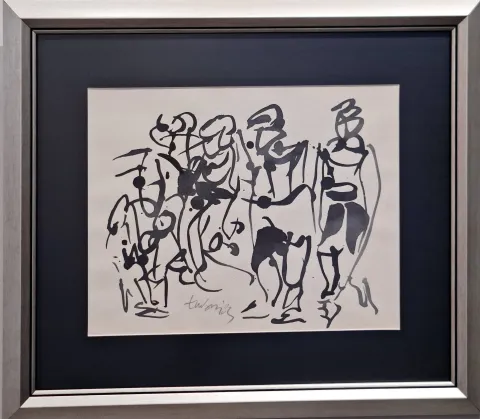
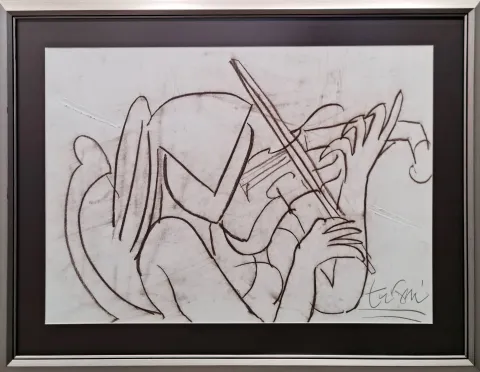
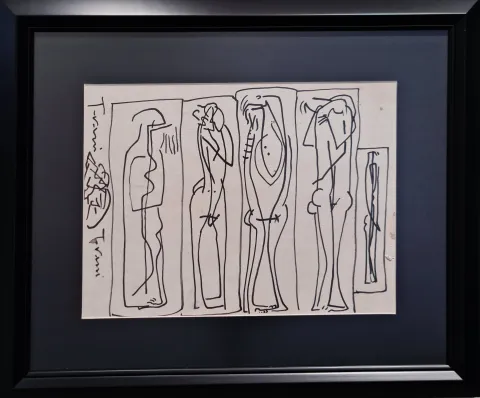
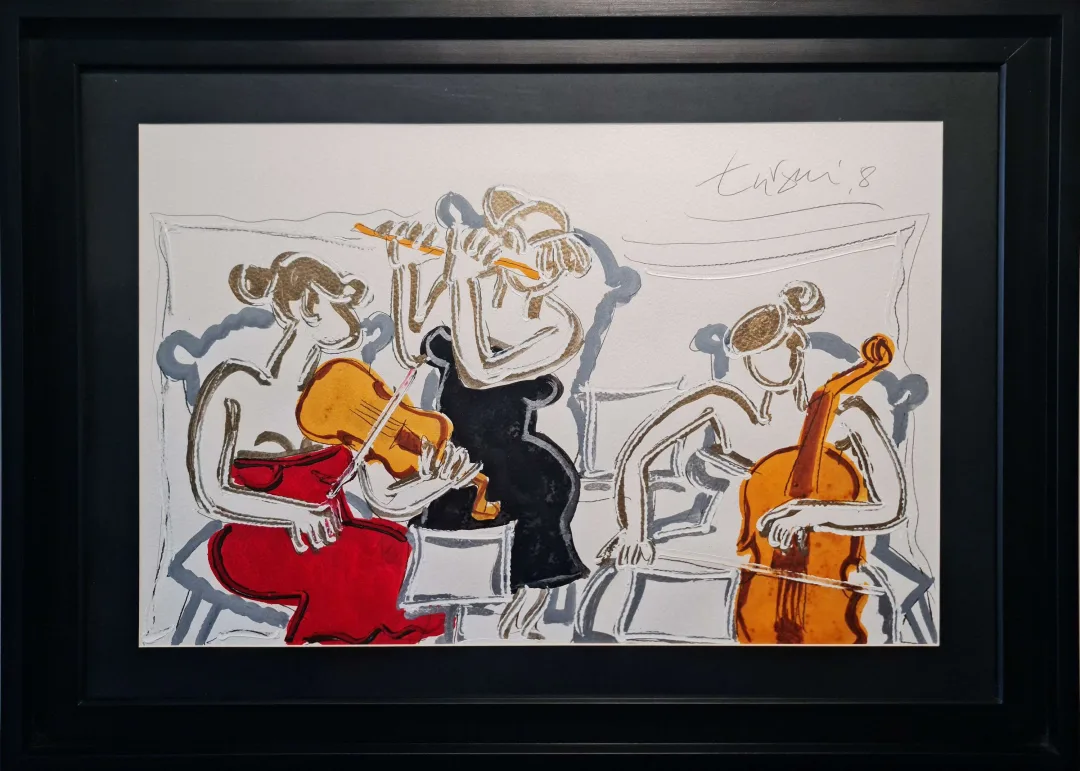 Müzisyenler Trio
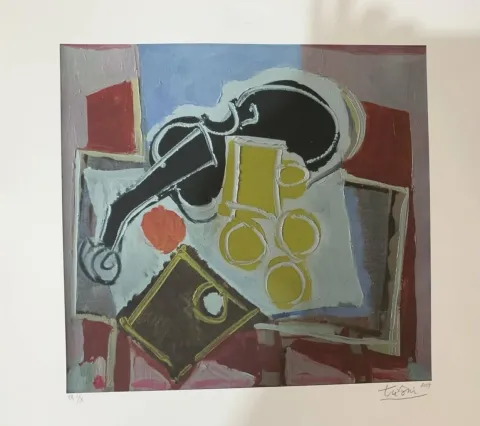
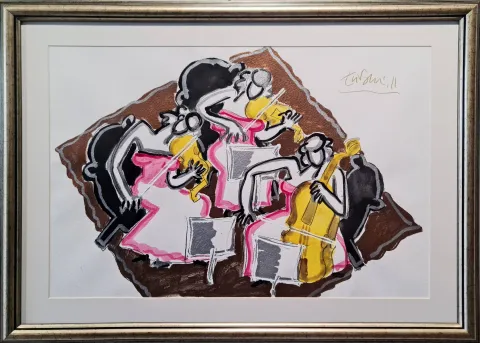
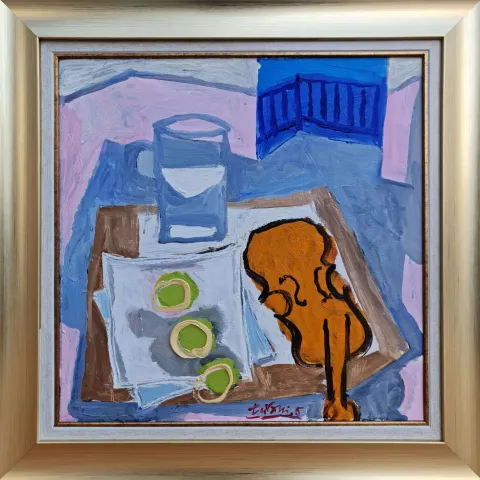
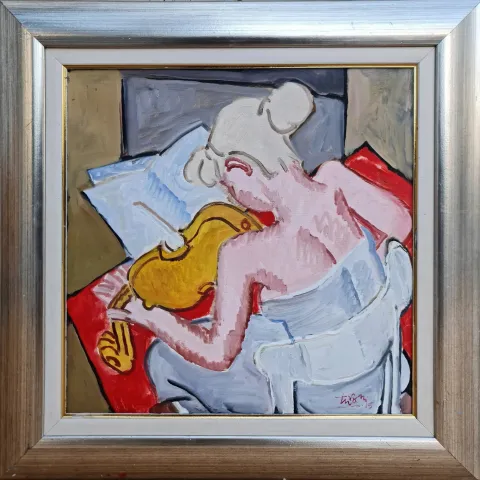
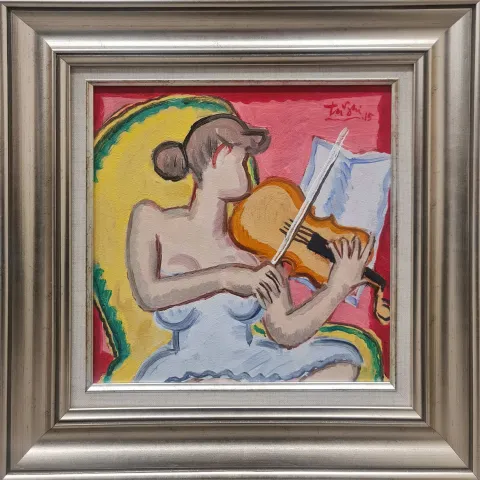
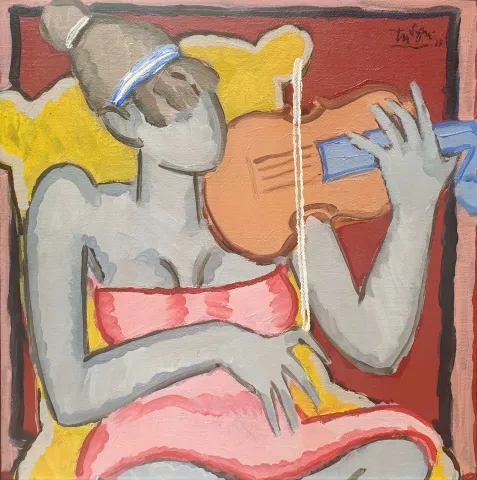
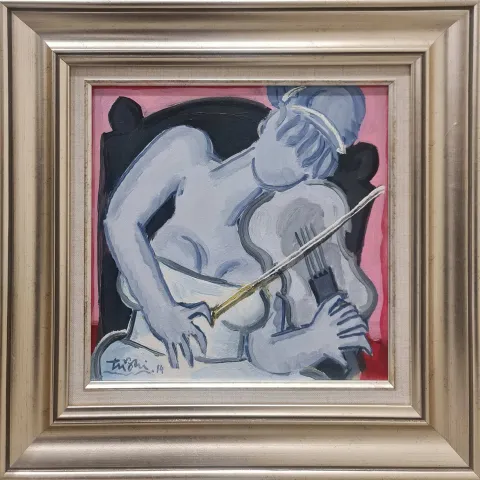
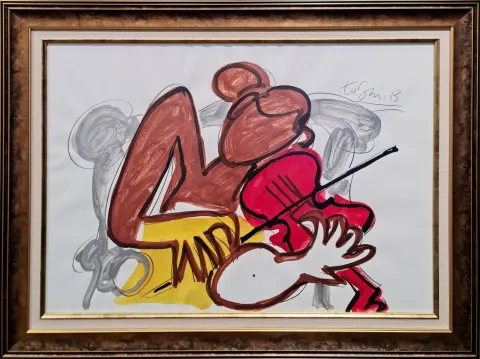
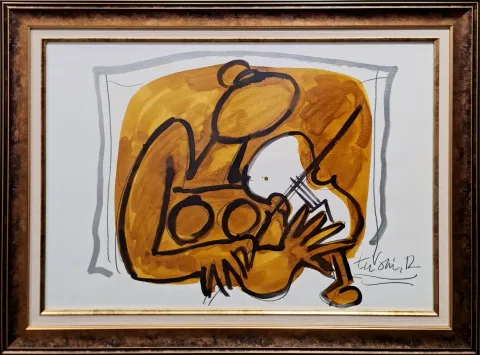
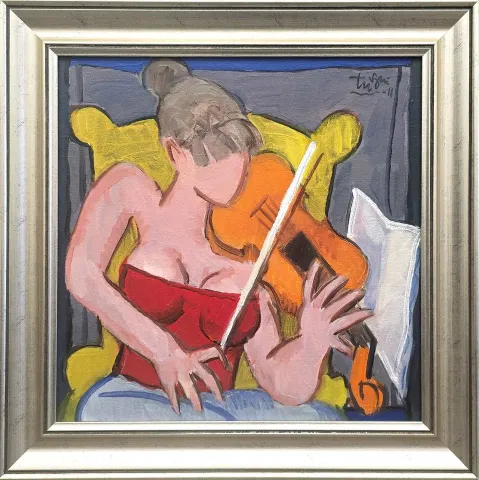
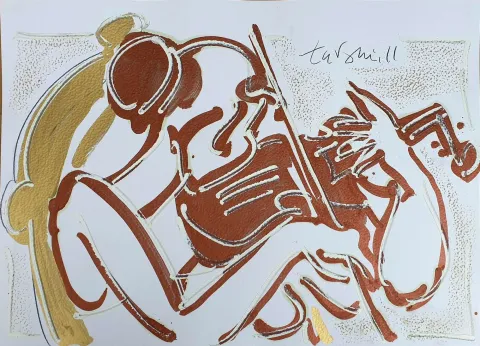
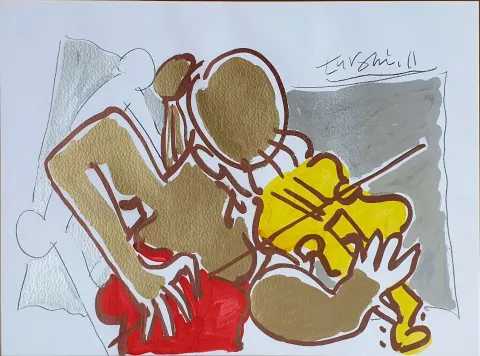
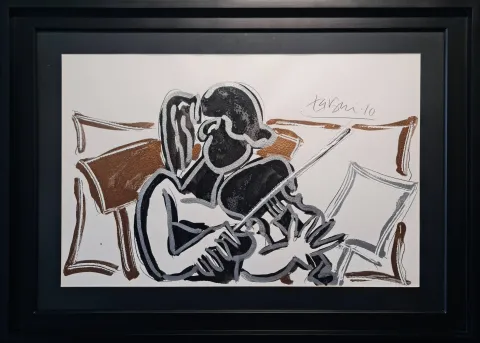
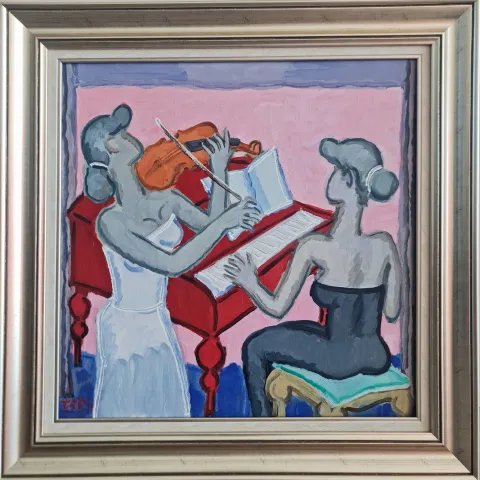
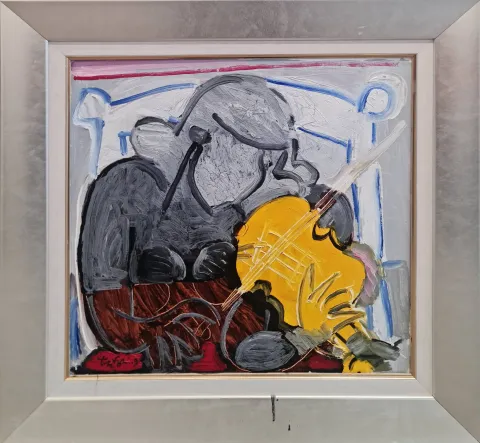
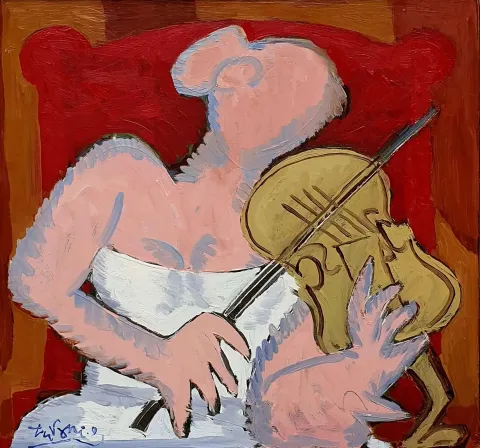
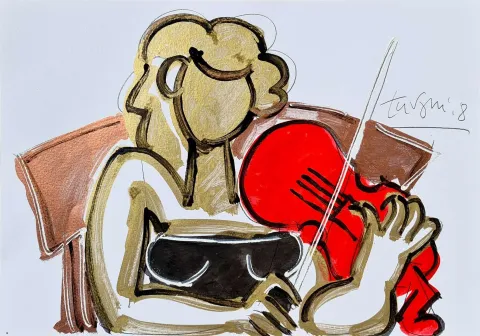
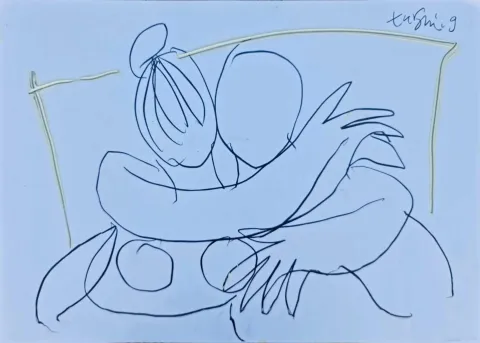
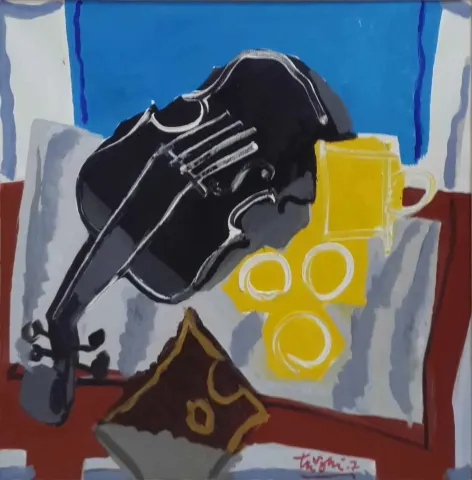
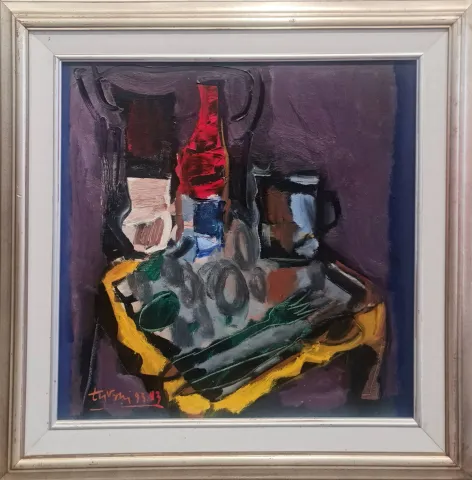
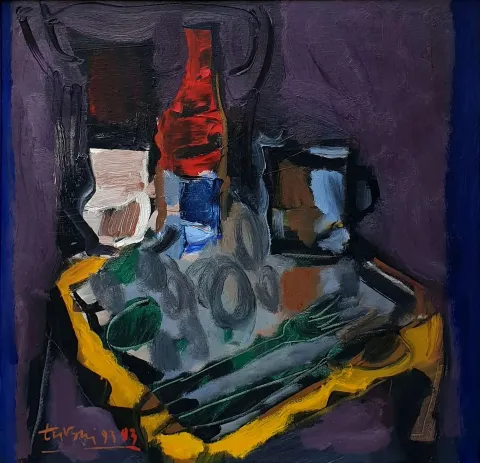
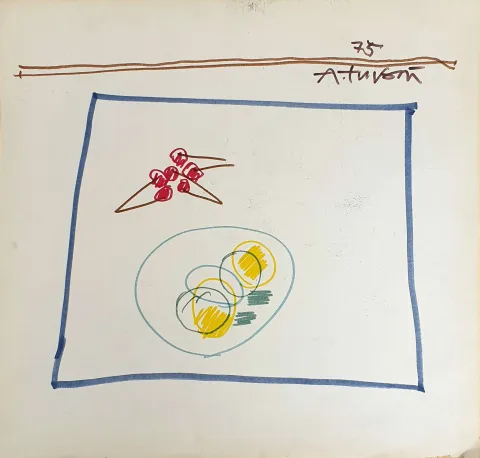
 Kemanlı Masa
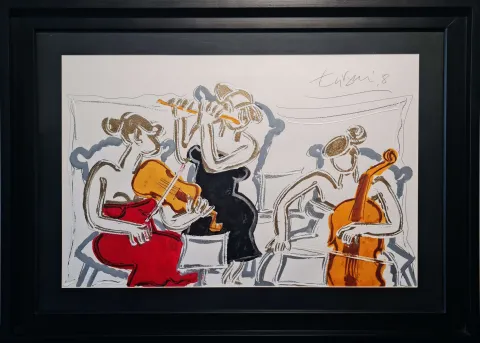
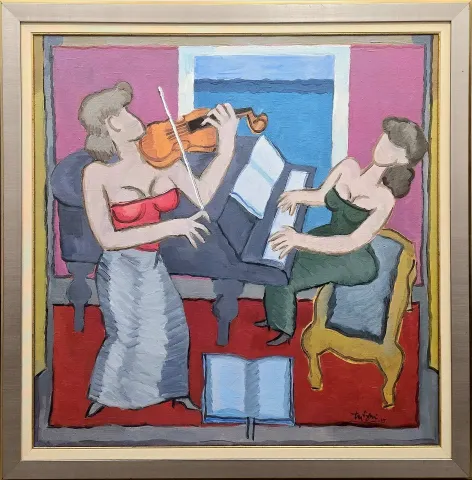
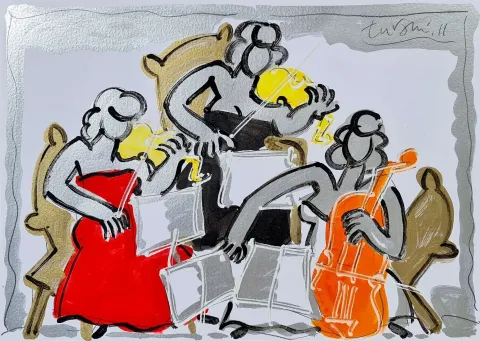
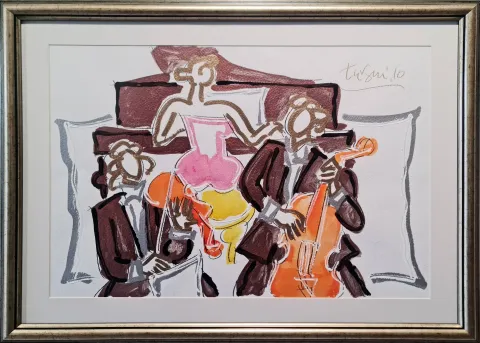
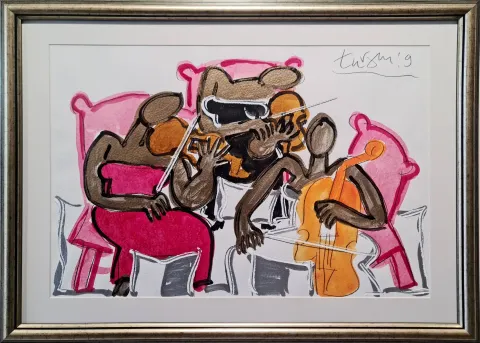
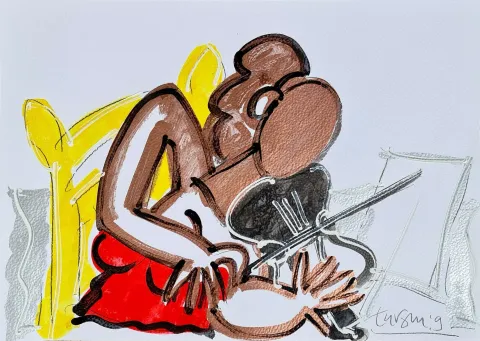
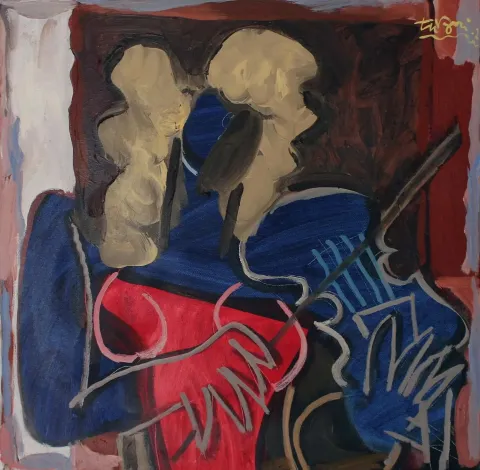
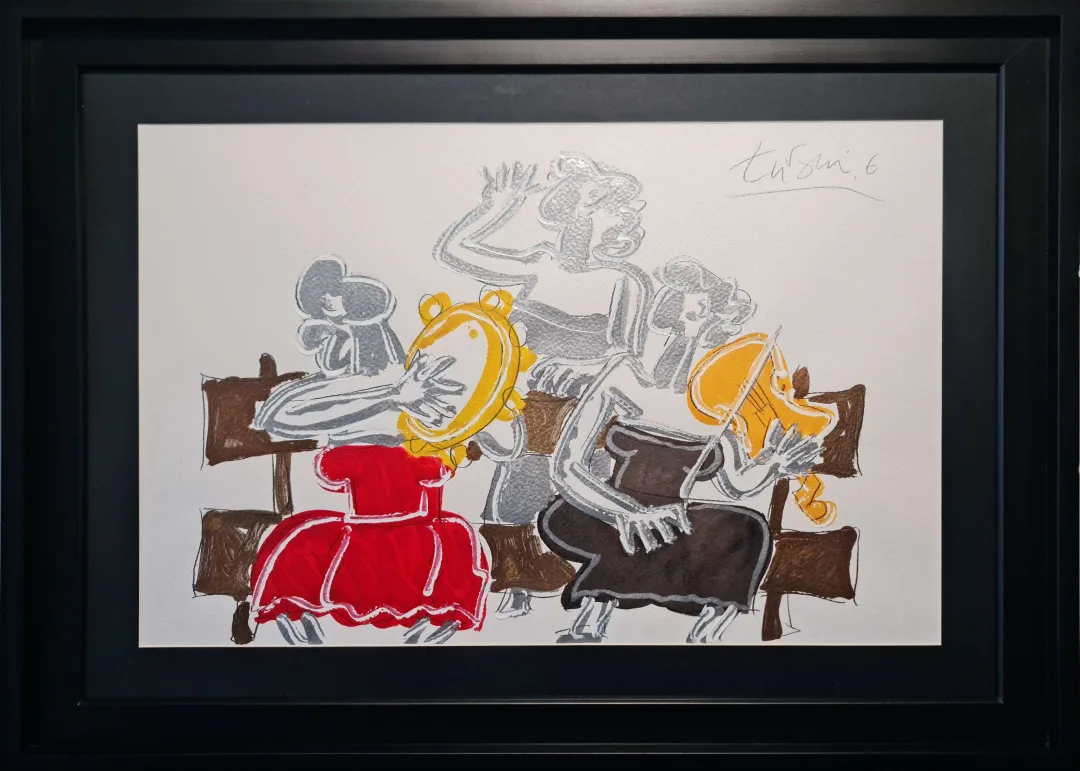 Müzisyenler Trio
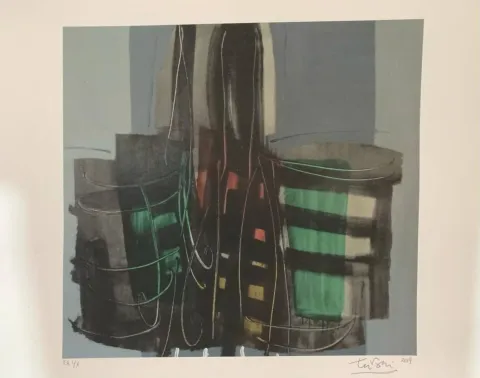
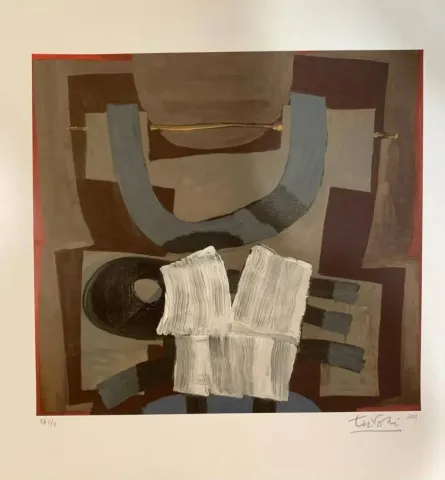
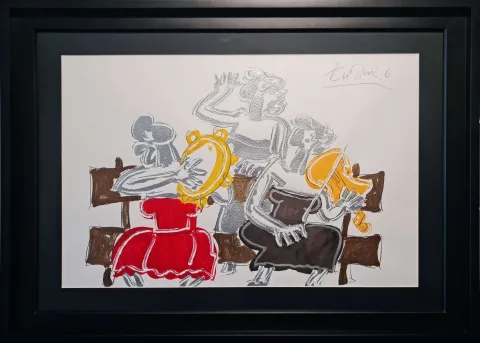
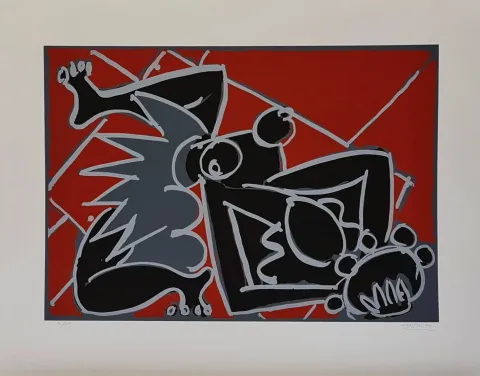
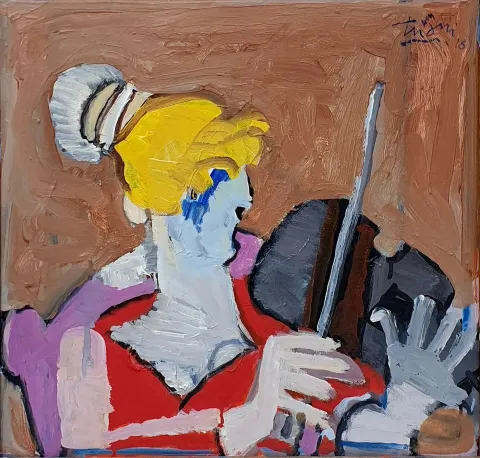
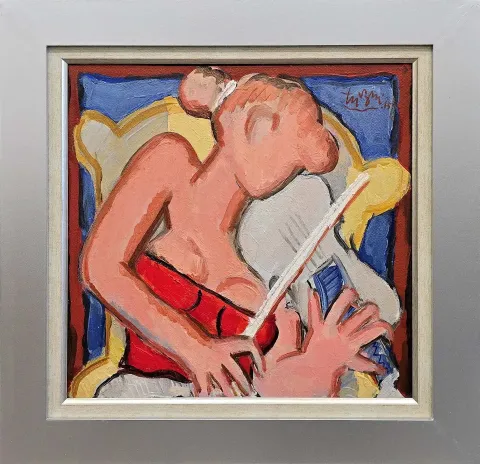
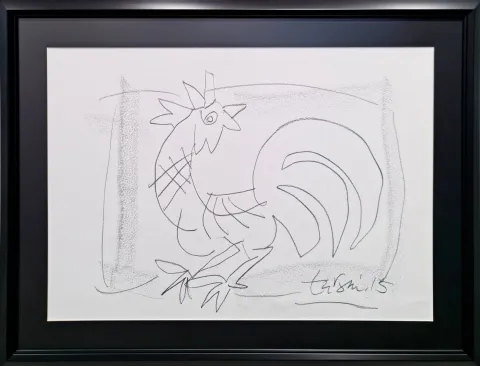
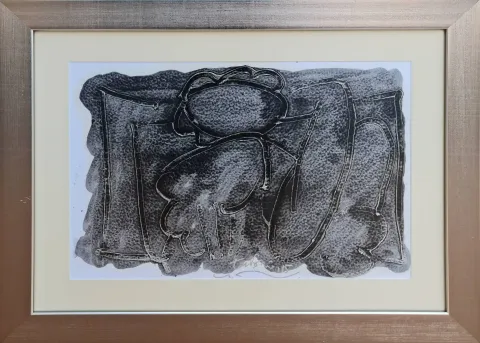
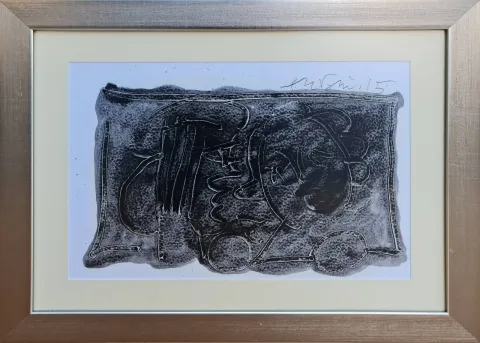
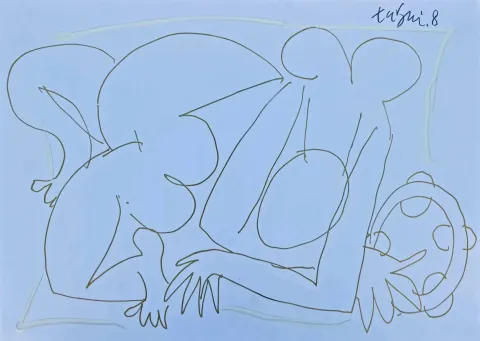
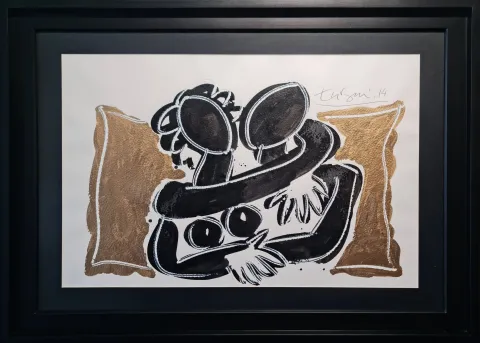
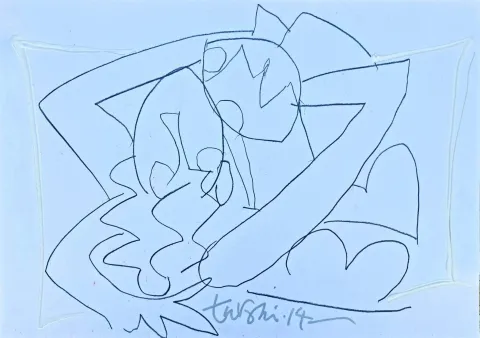
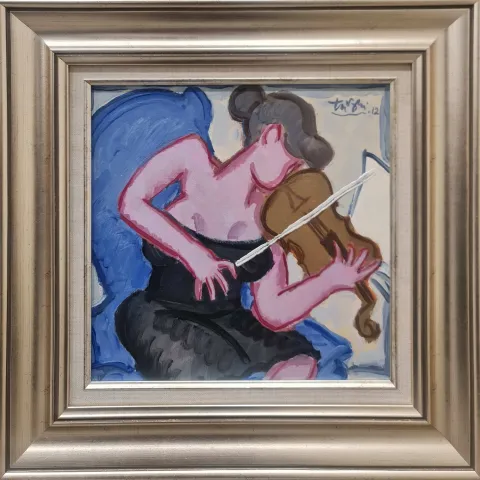
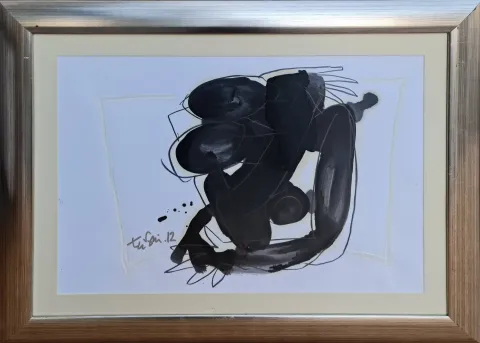
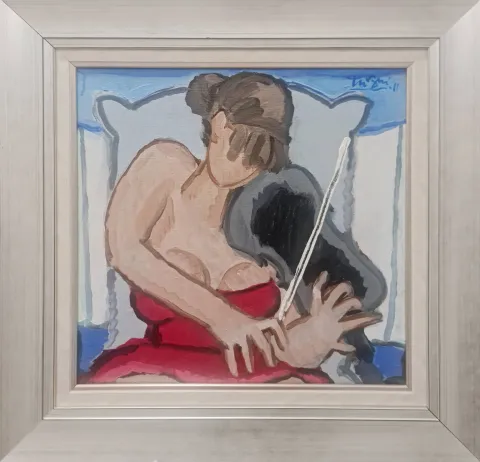
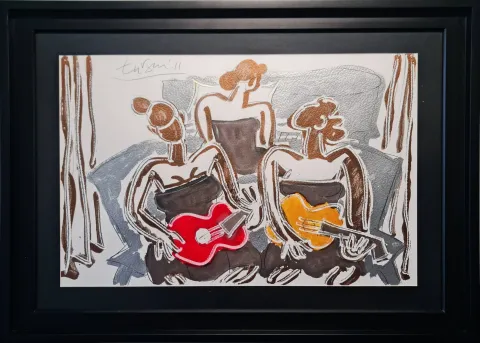
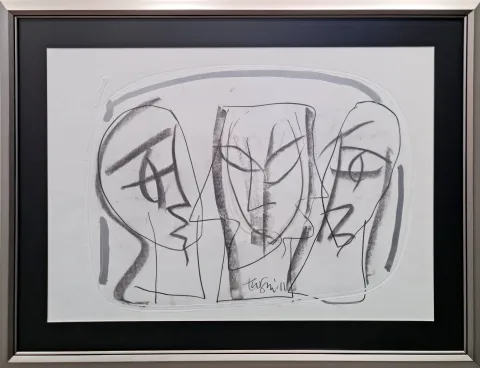
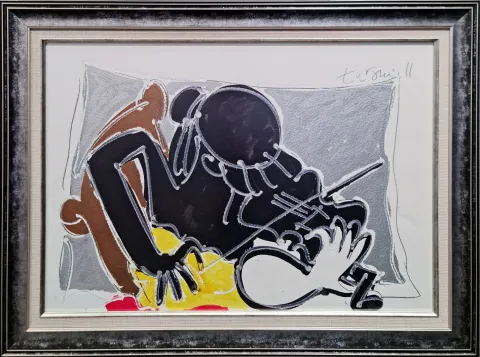
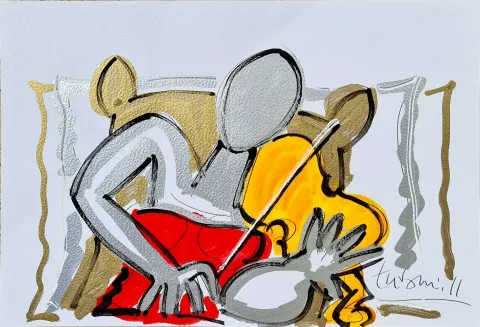
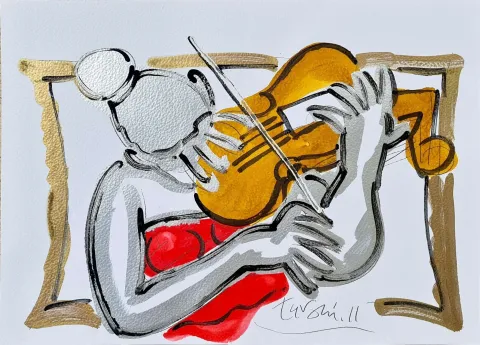
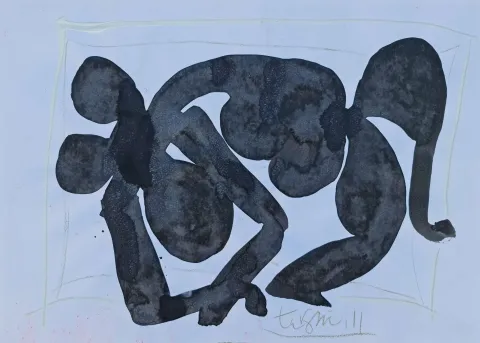
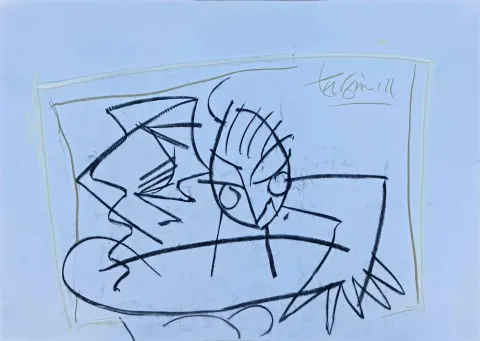
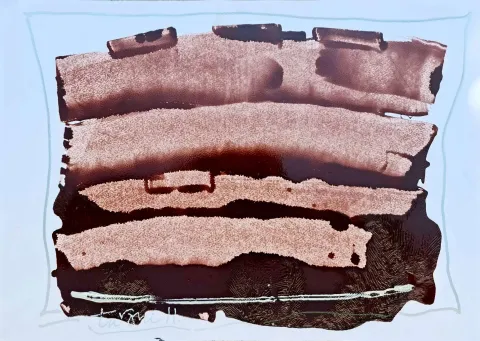
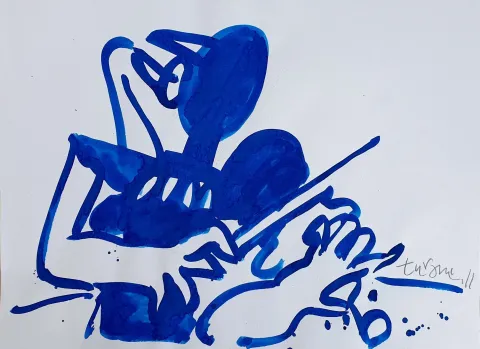
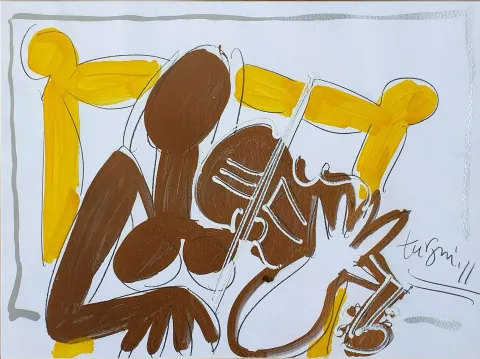
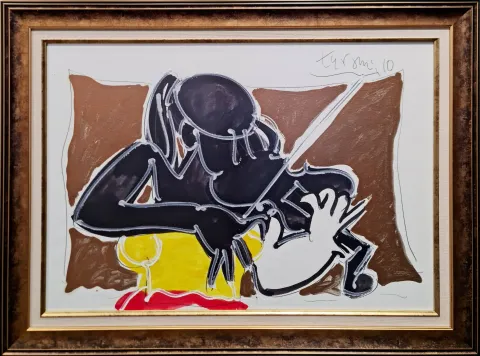
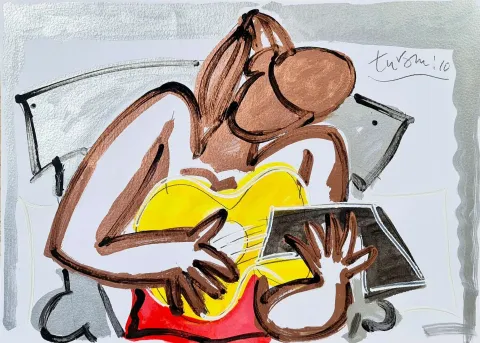
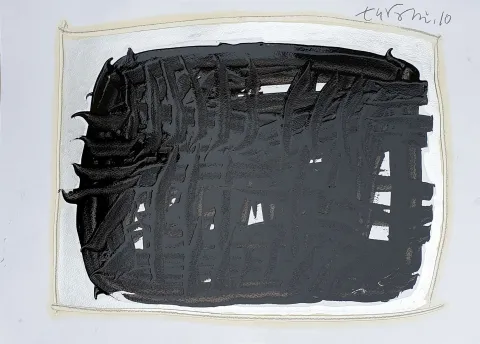
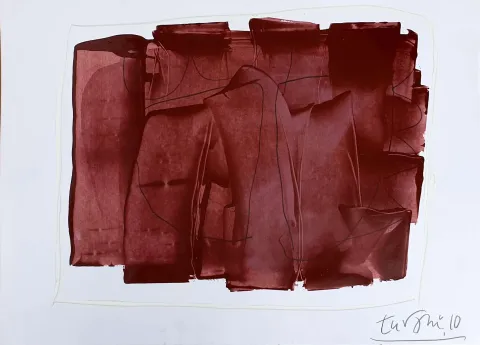
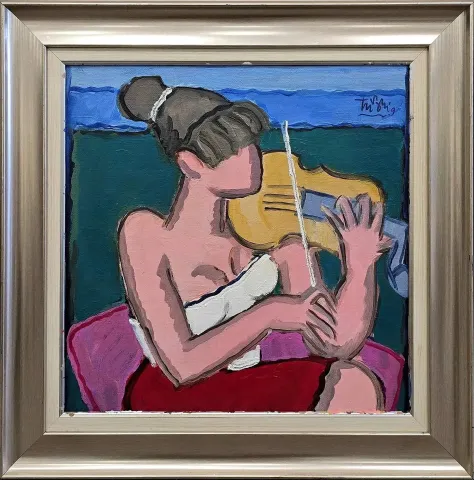
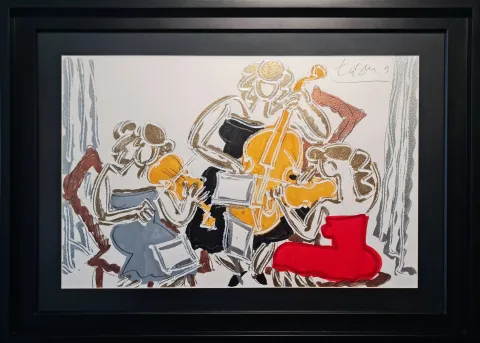
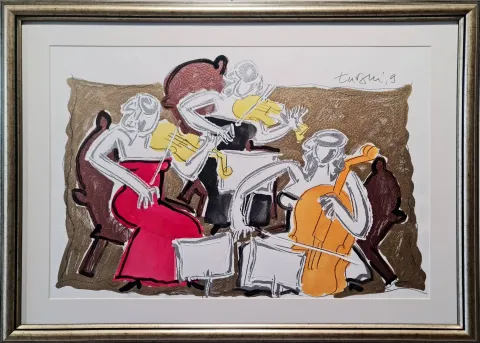
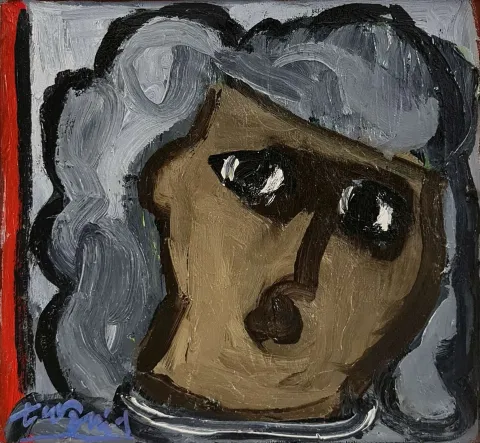
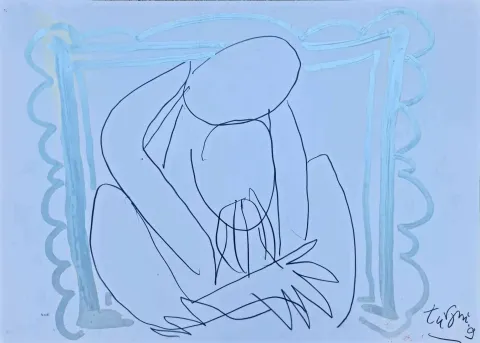
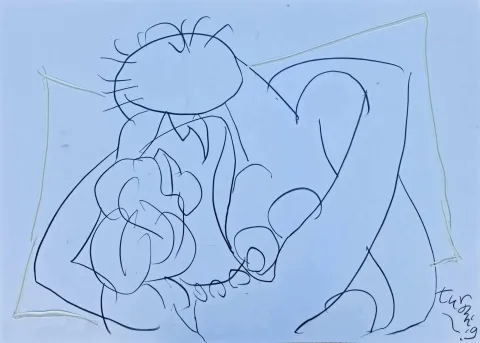
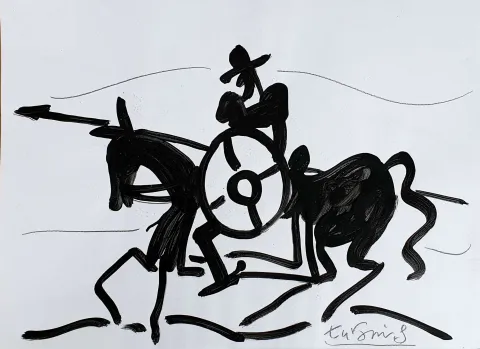
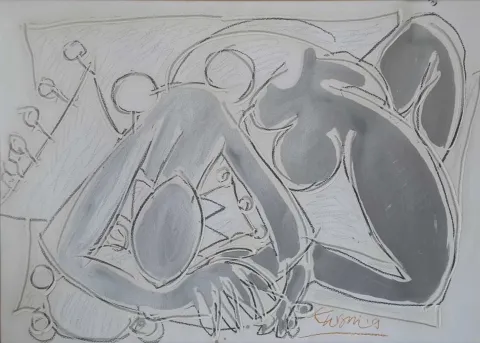
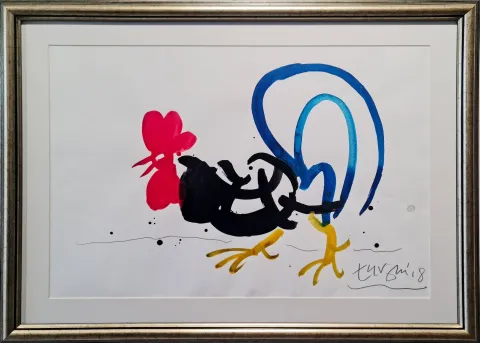
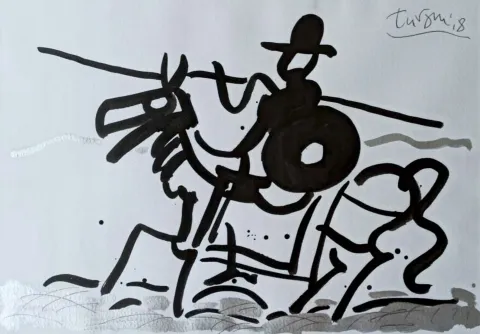
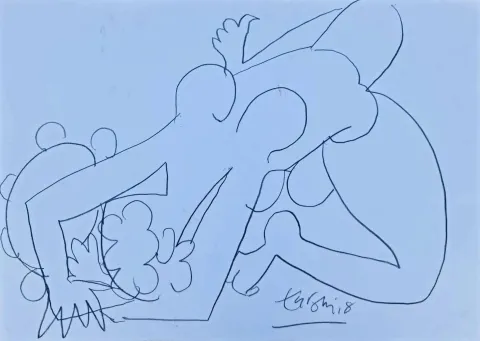
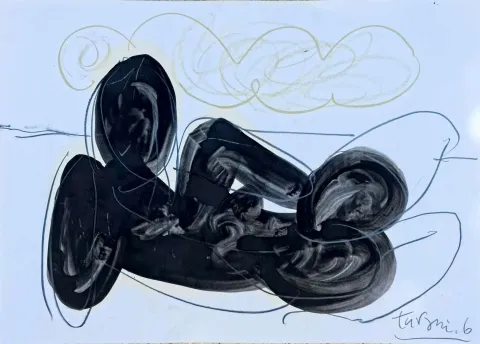
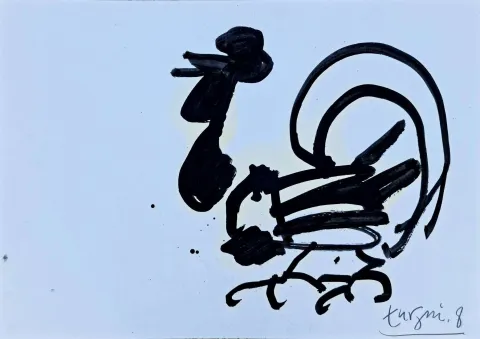
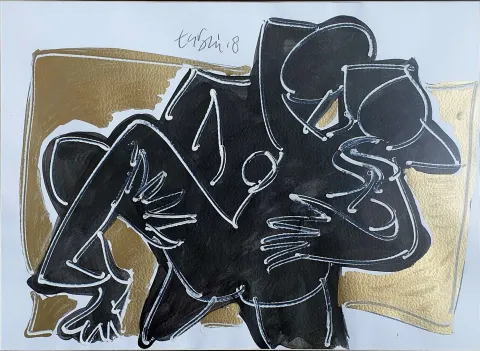
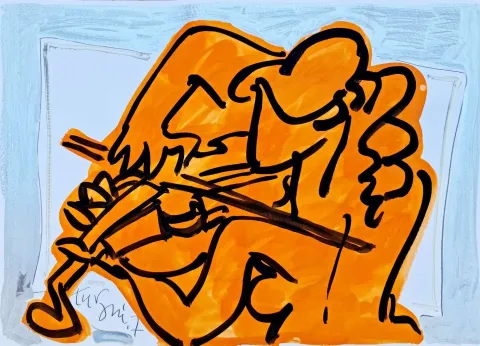
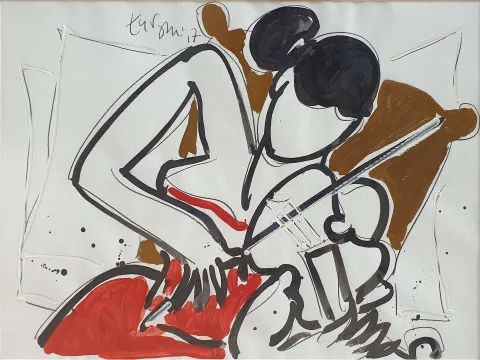
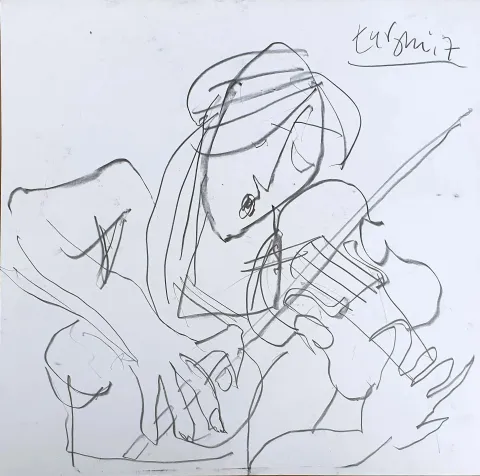
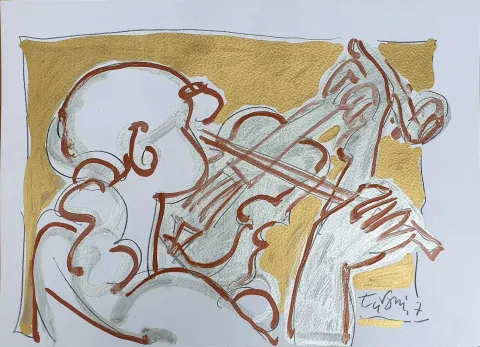
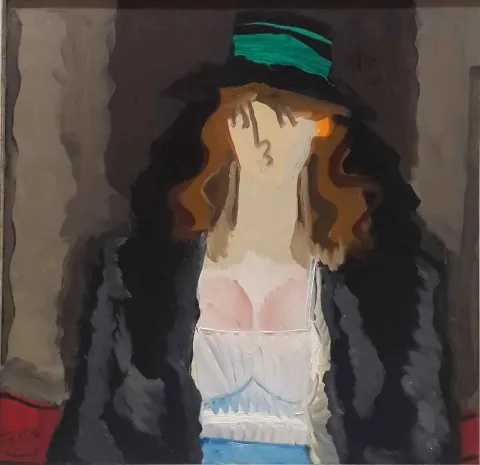
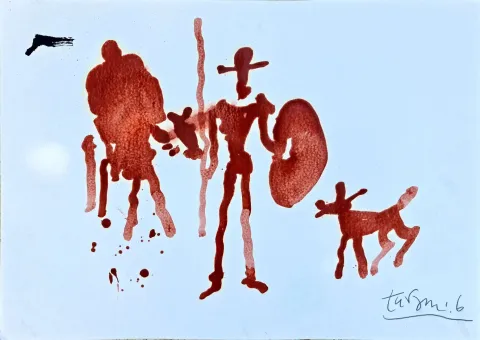
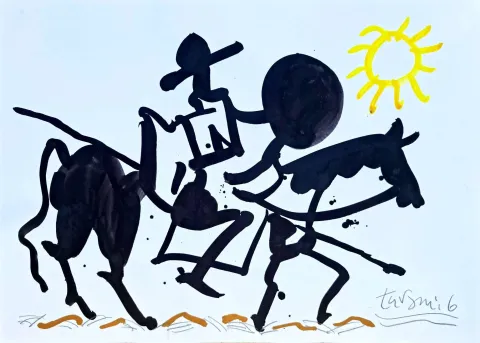
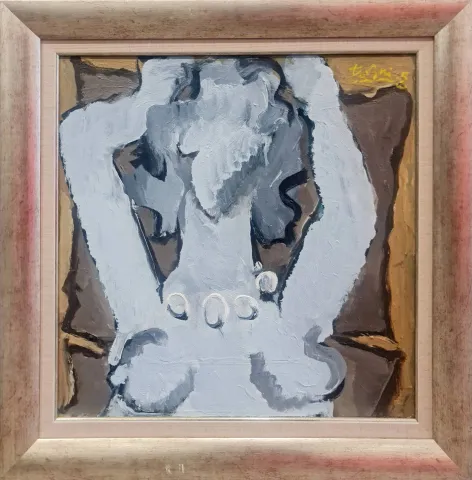
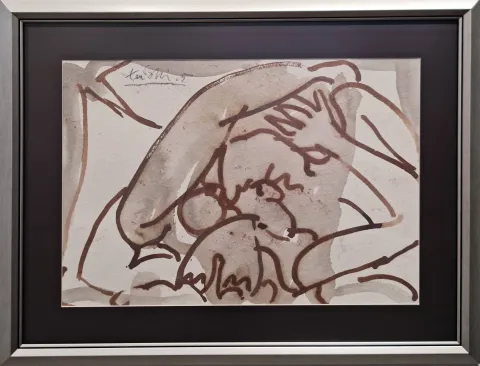
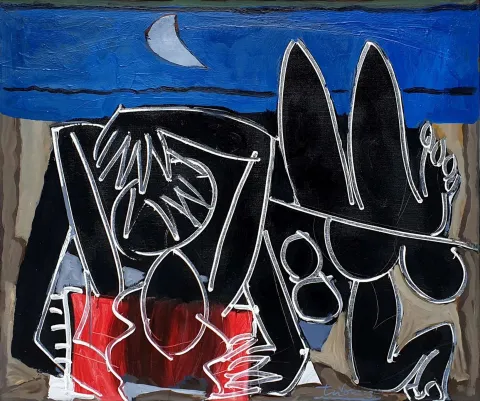
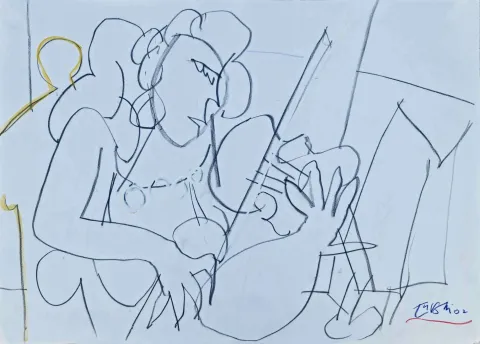
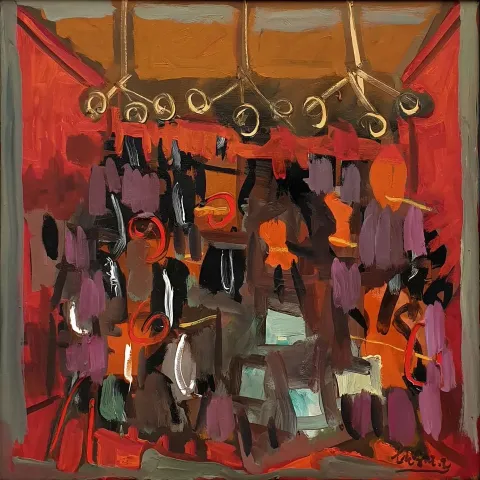
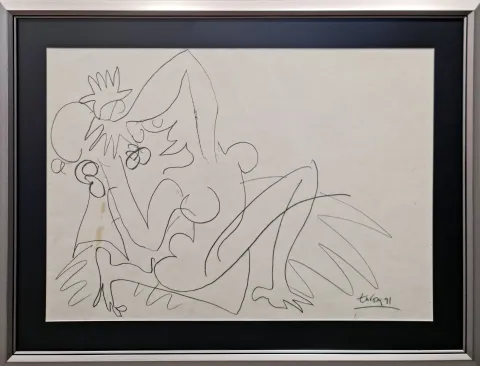
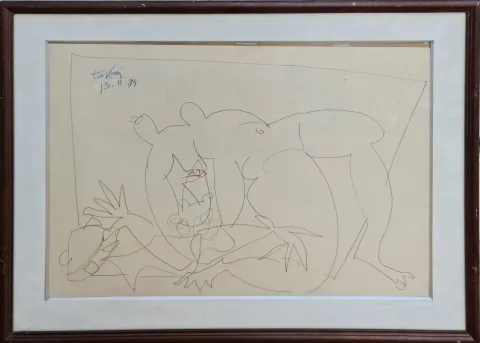
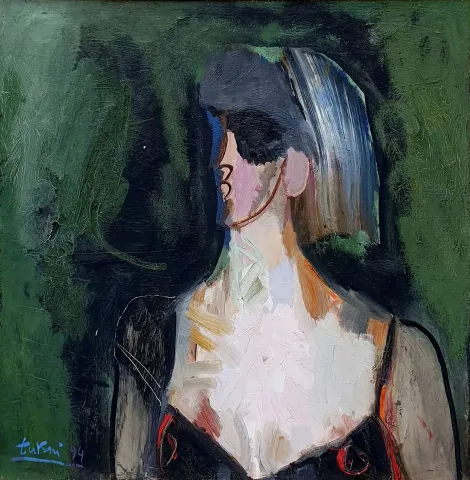
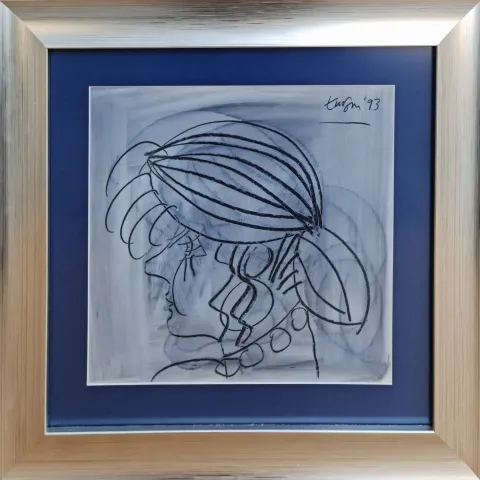
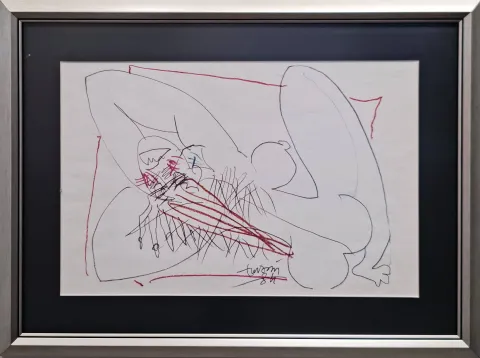
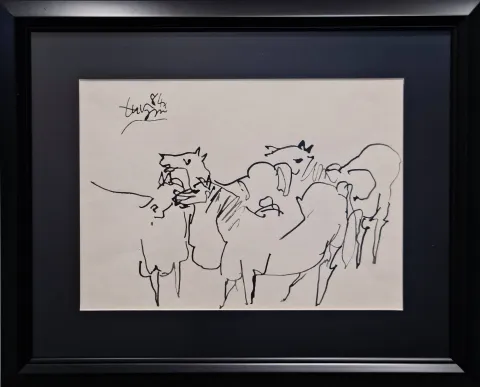
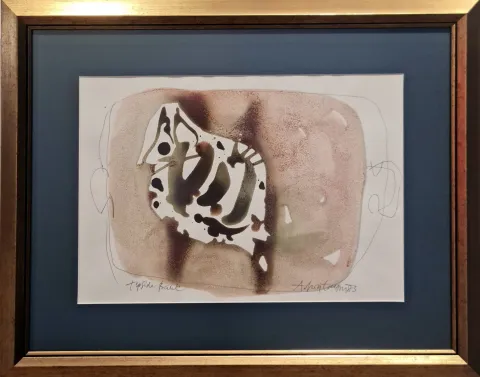
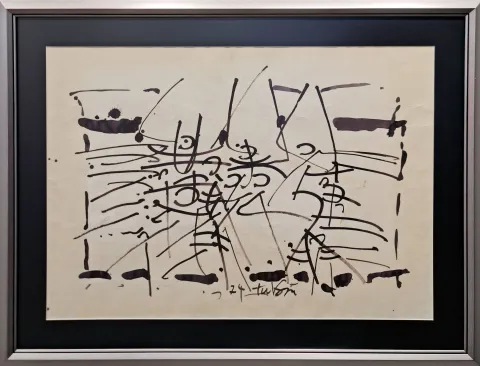
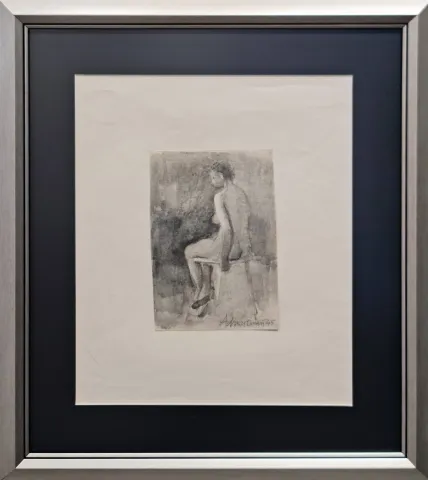
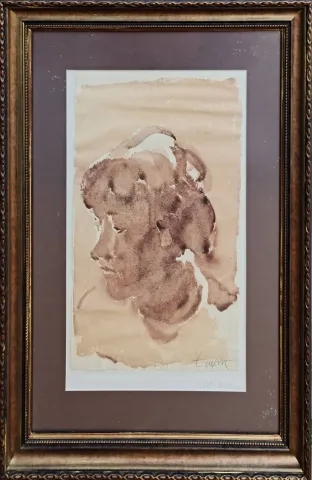
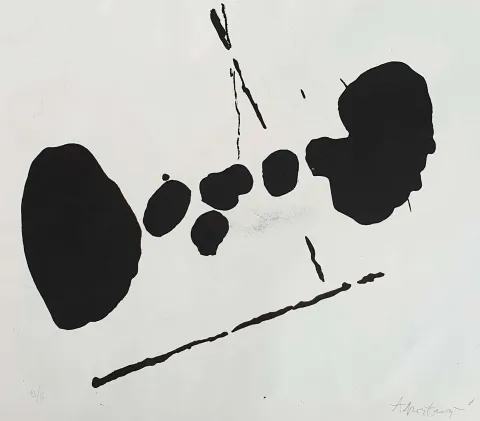
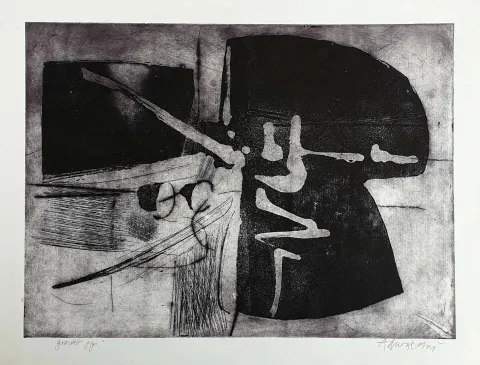
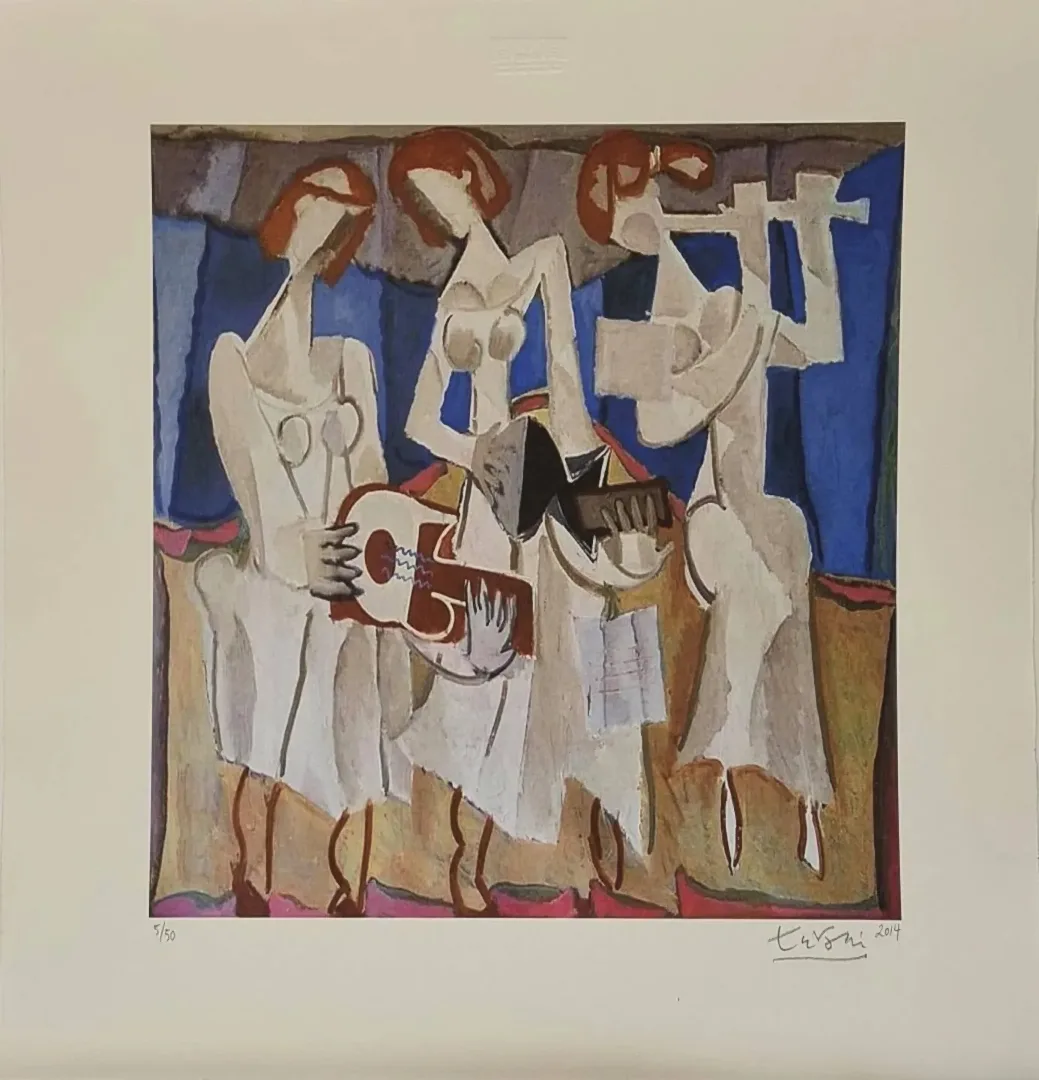 Untitled
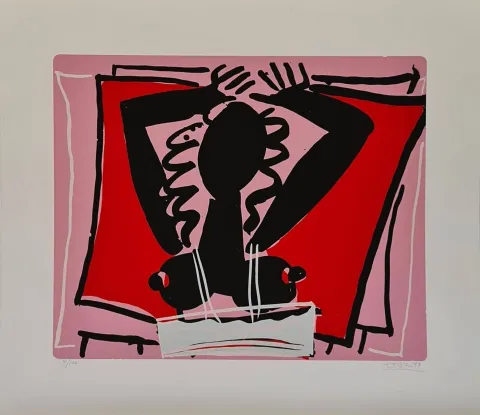
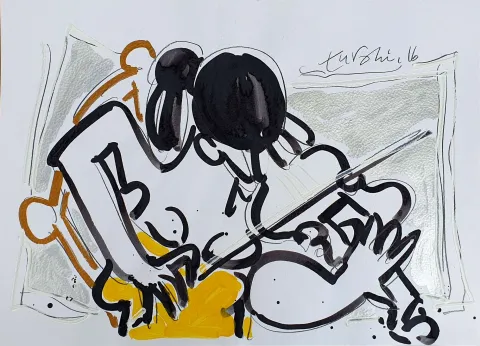
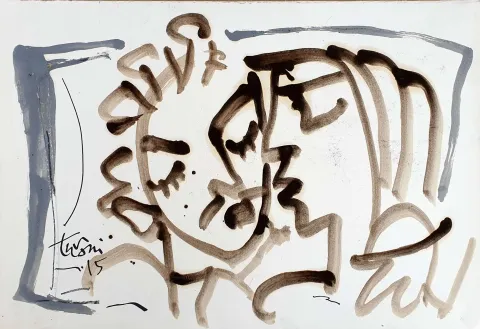
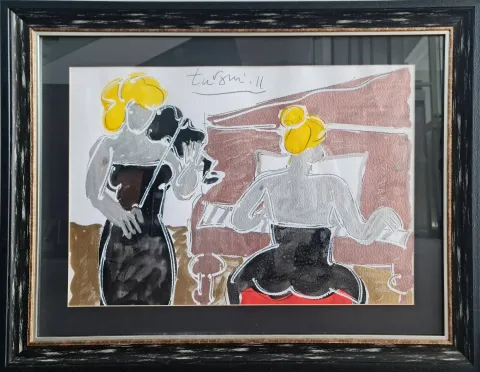
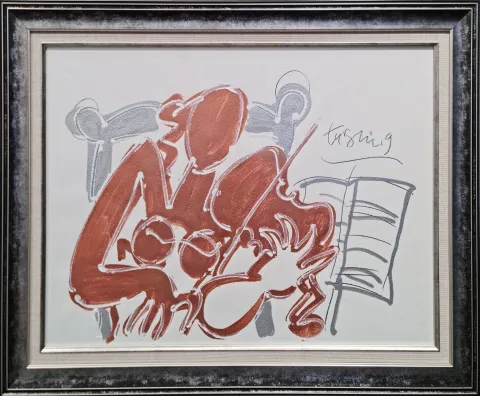
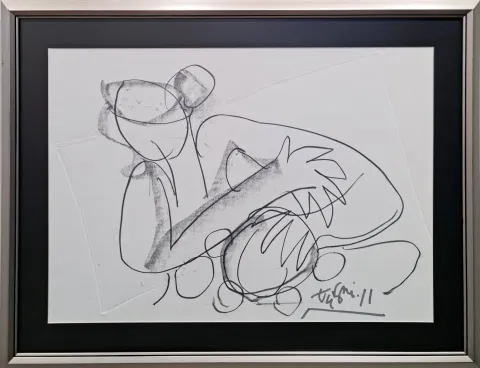
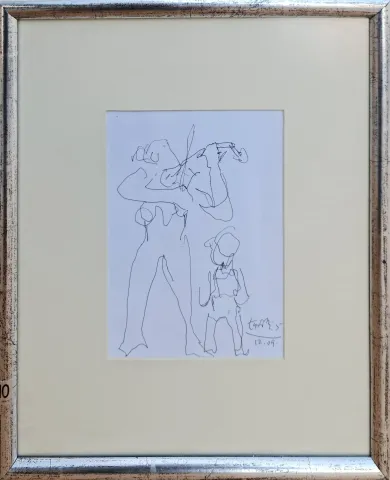
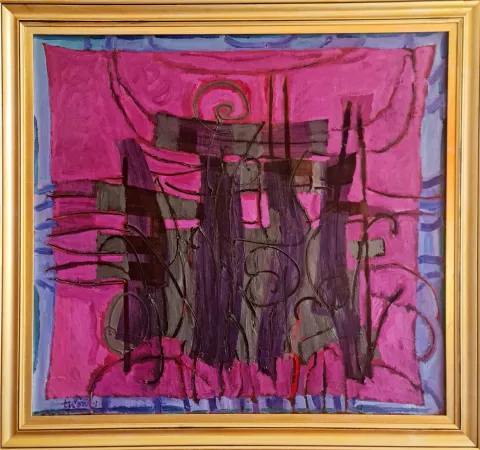
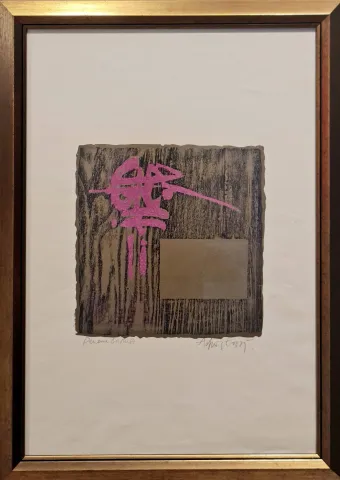
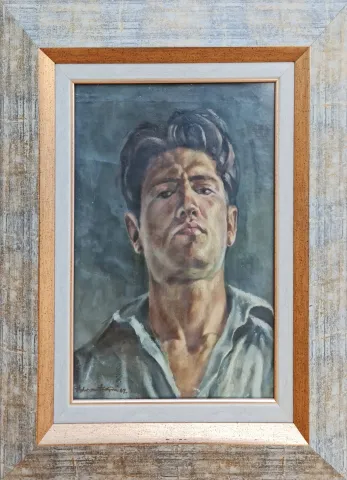
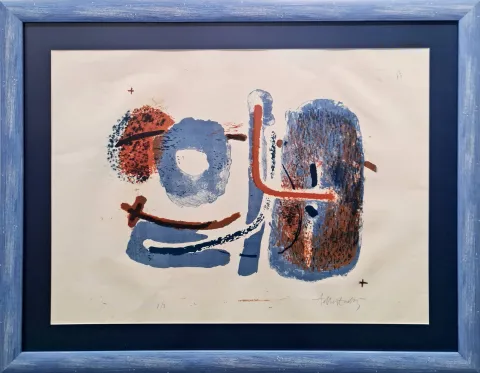
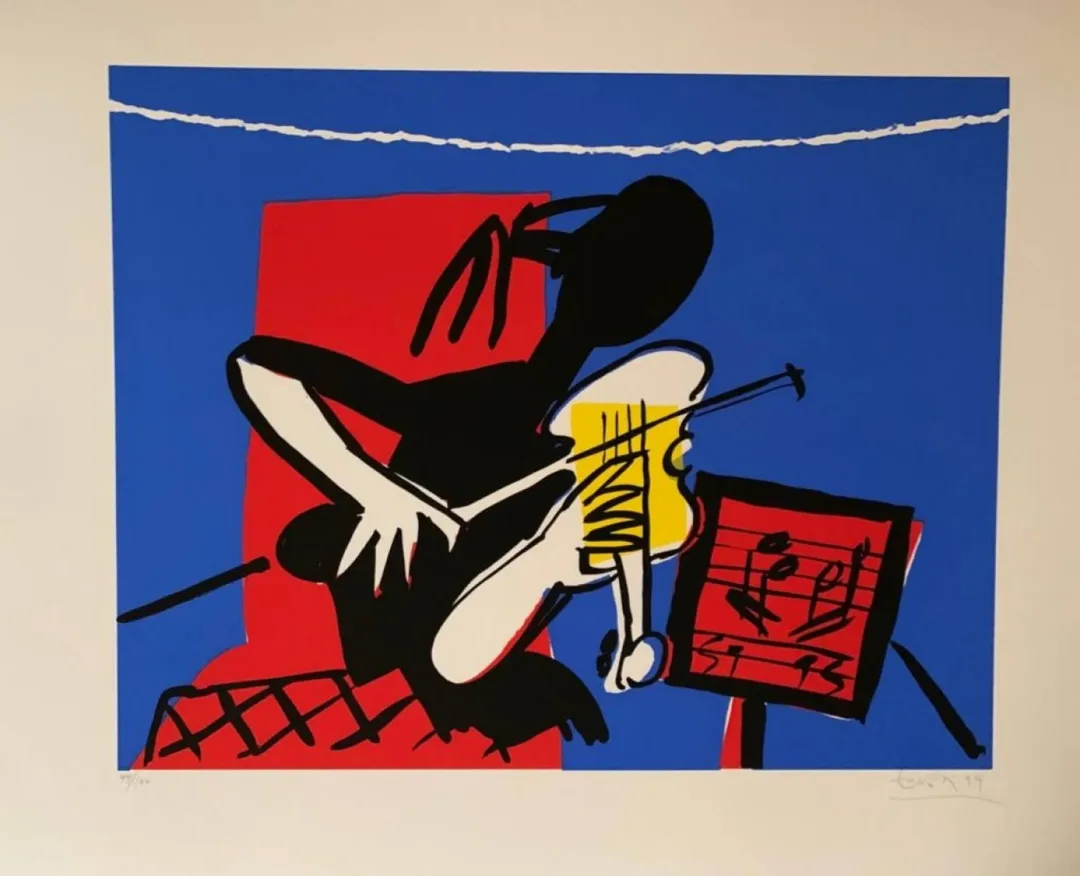 Untitled
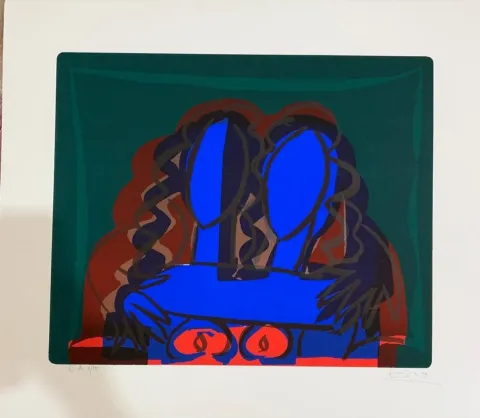
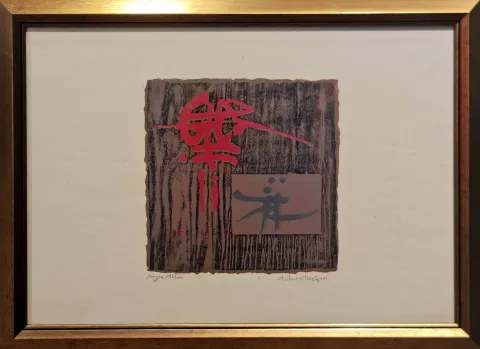
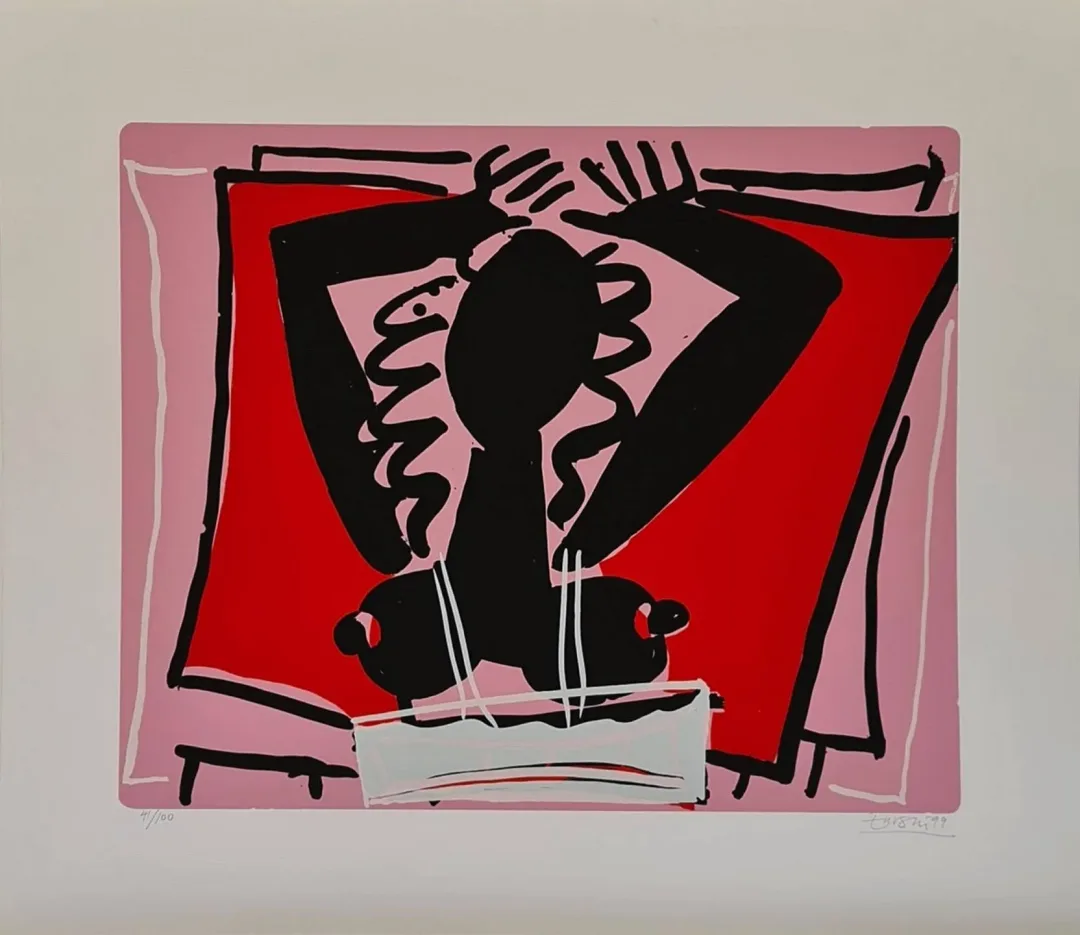 Untitled
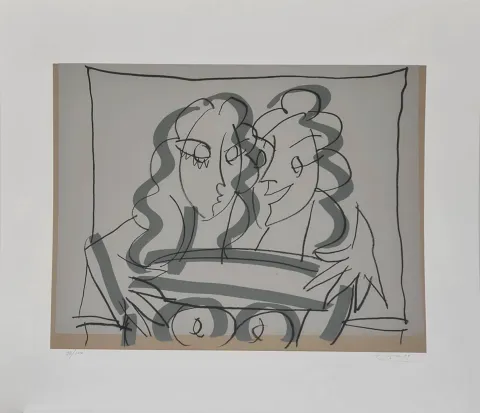
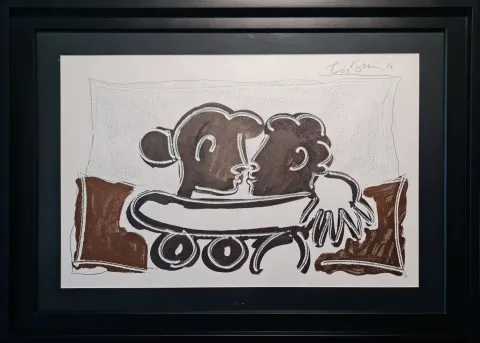
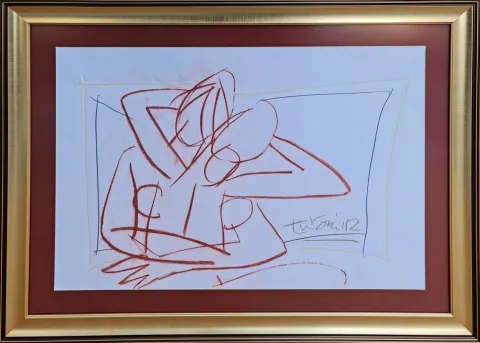
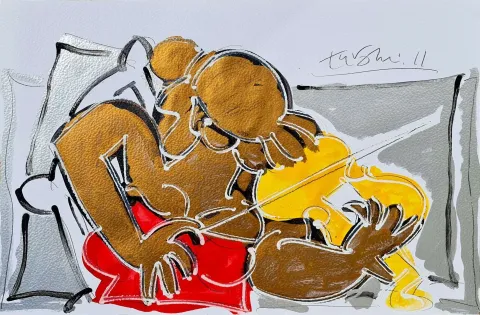
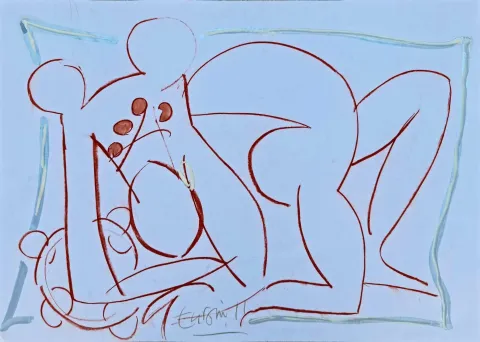
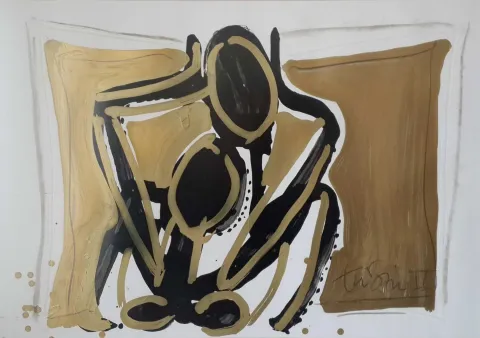
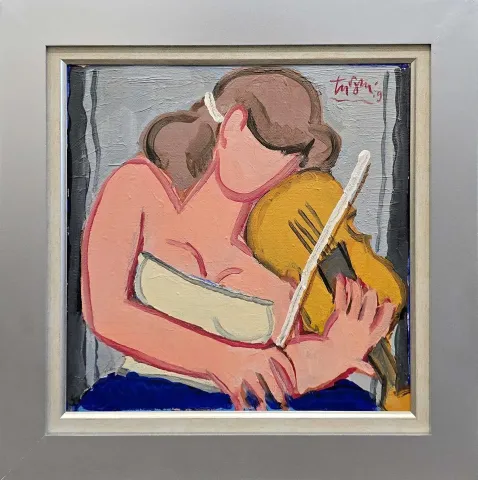
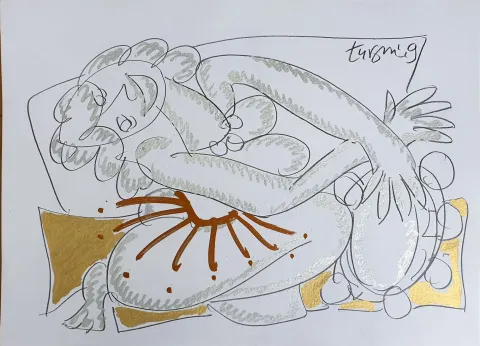
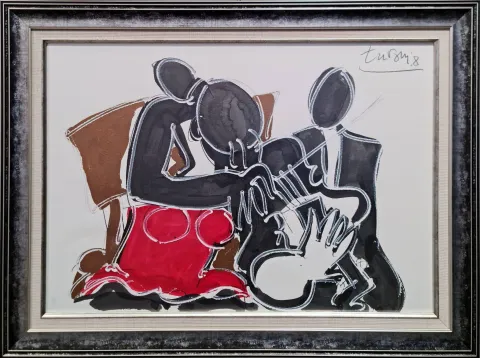
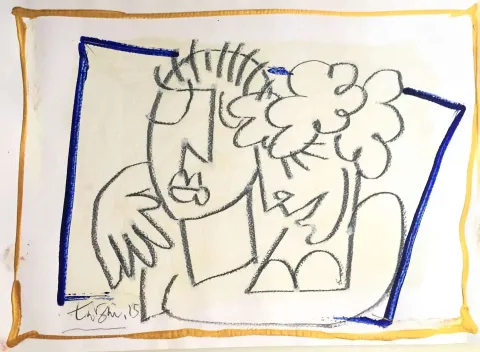
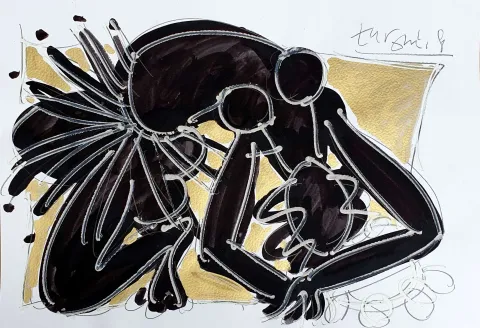
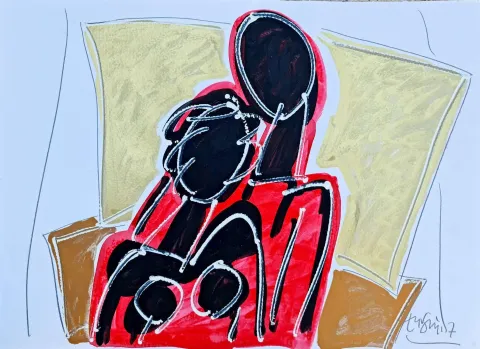
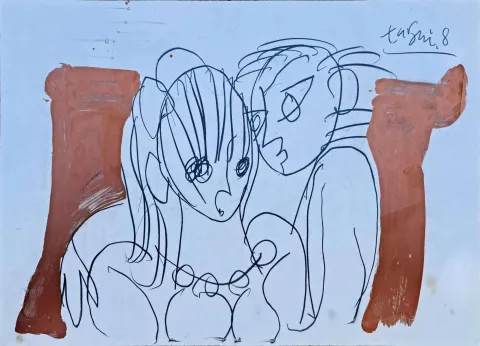
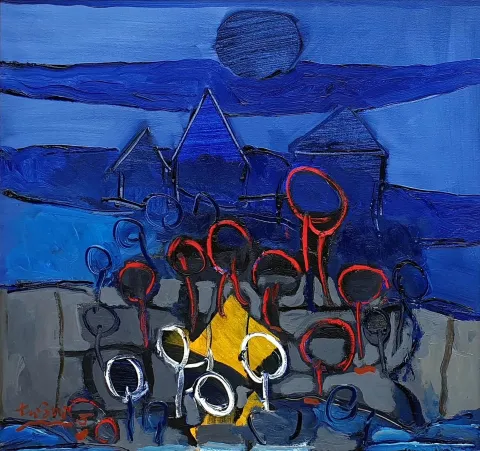
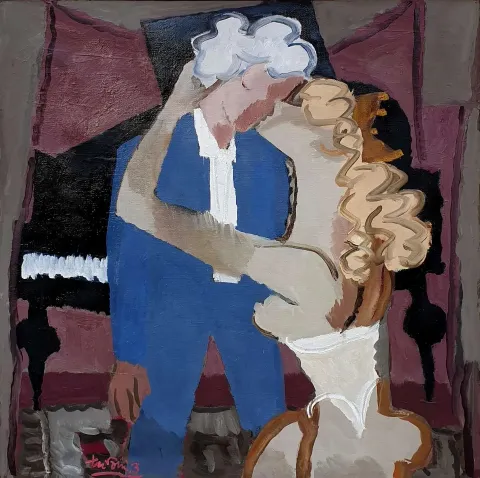
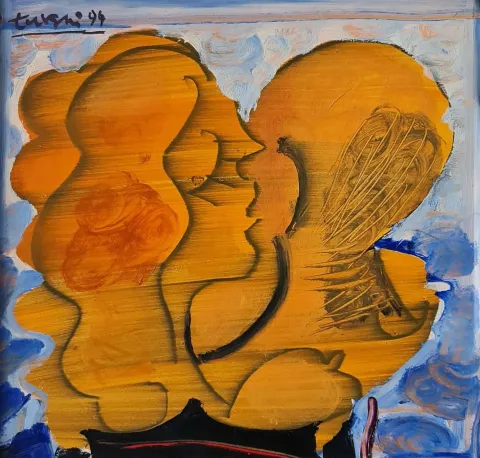
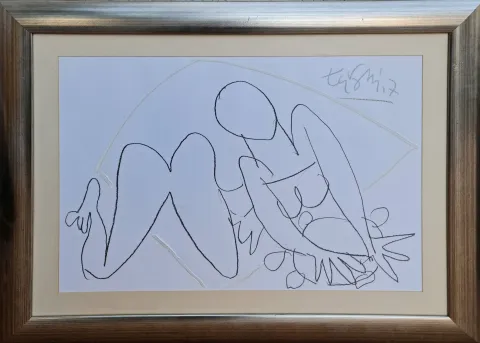
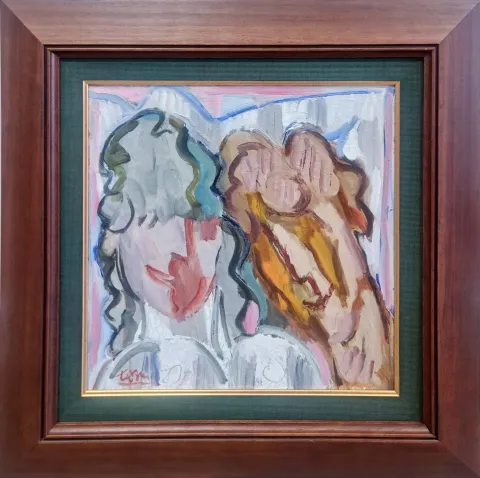
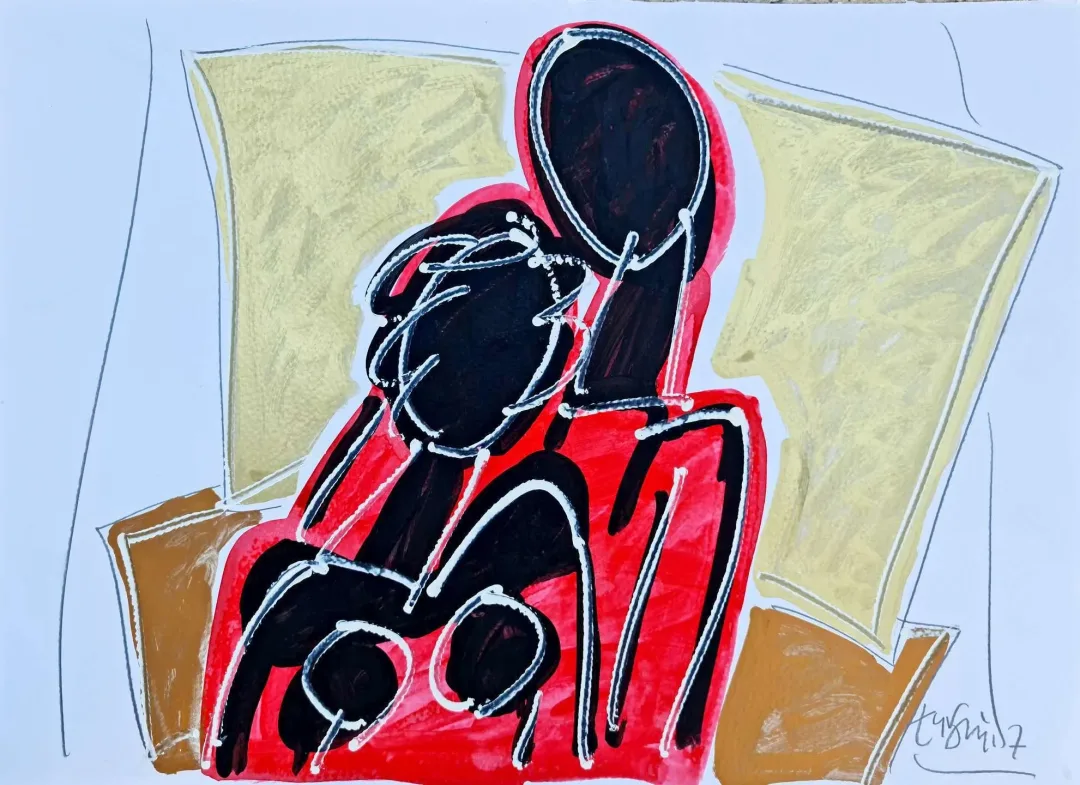 Aşıklar
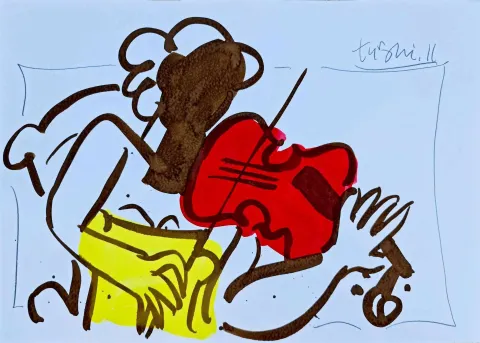
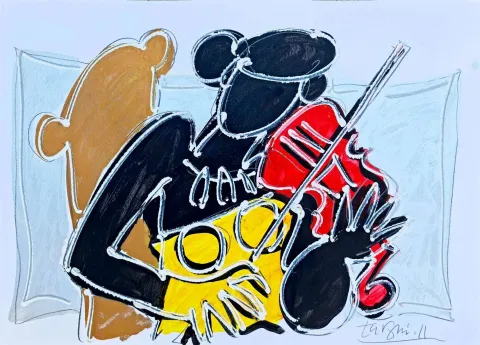
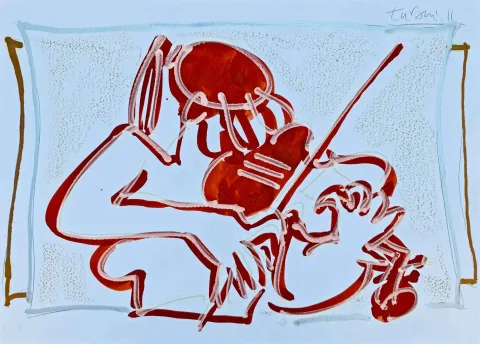
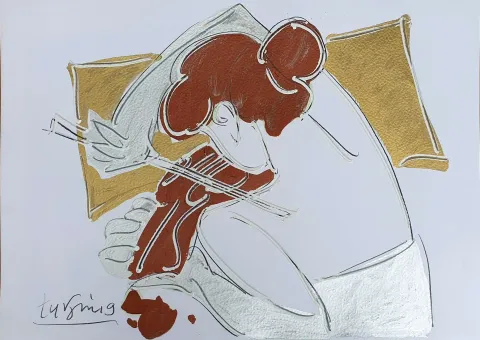
 Adnan Turani: müziği resme çeviren ressamYazıyı oku →
Talk to our advisor about works by ADNAN TURANİ, or follow the artist in the app to hear about new works first.

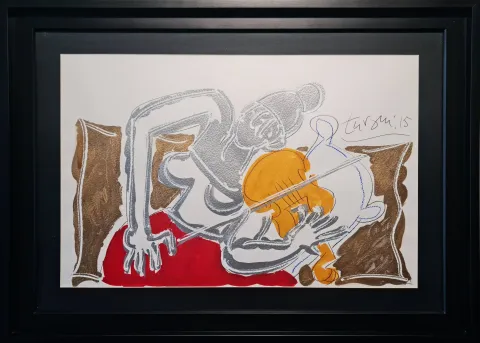
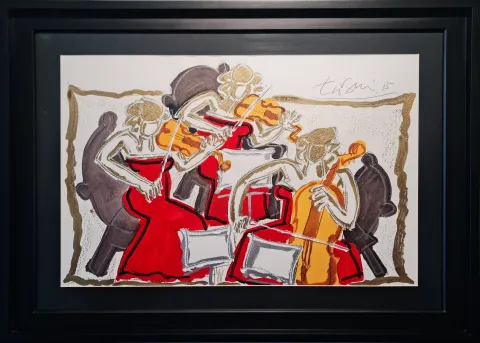
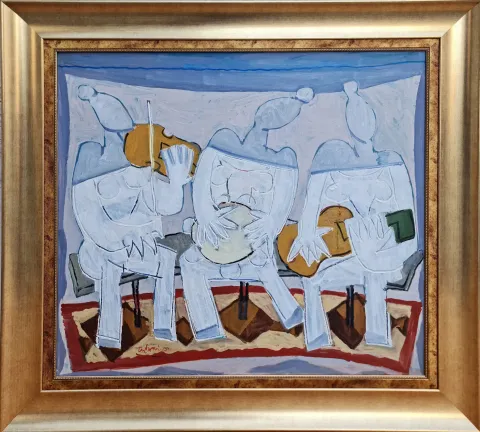
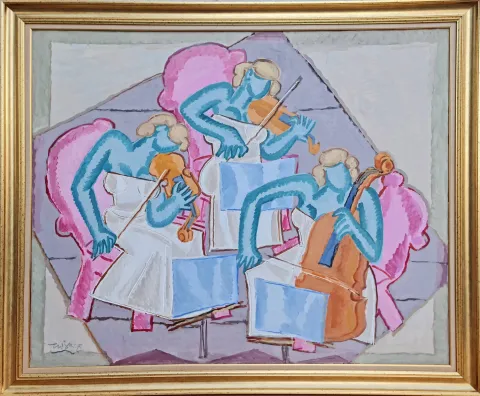

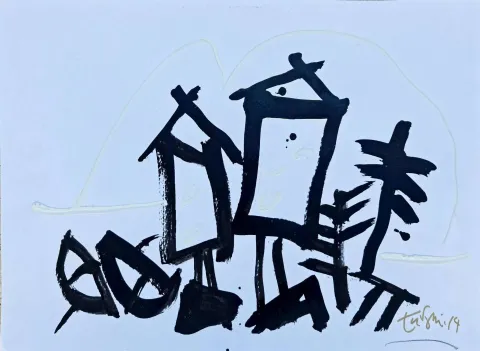
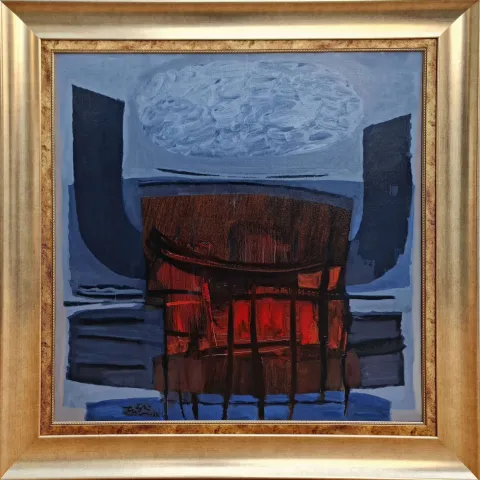
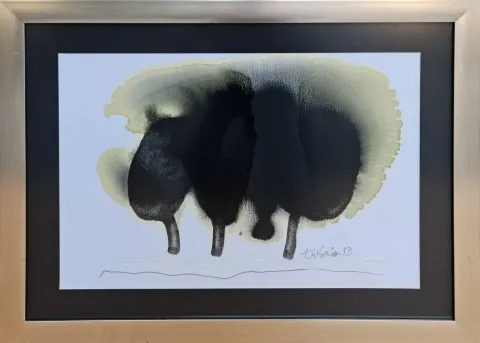
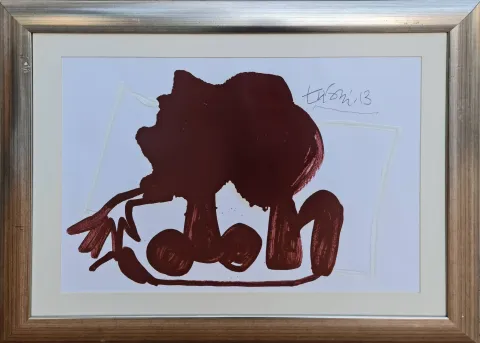

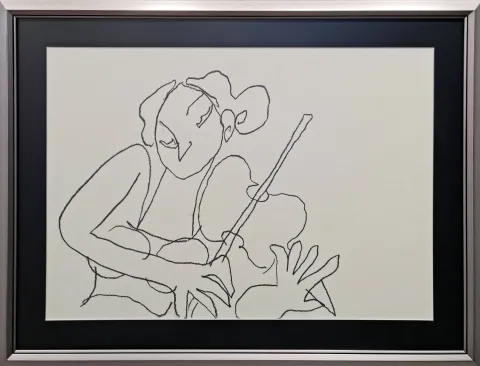

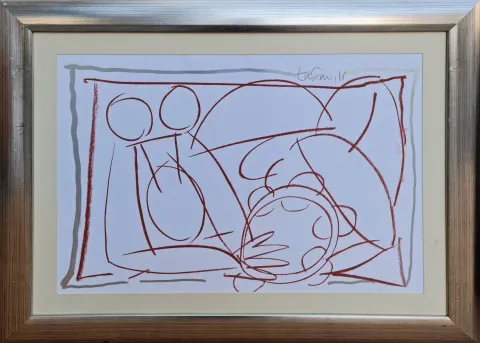
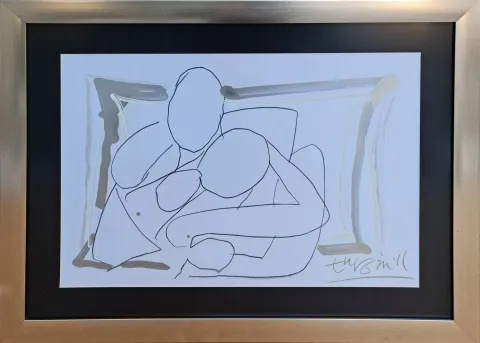
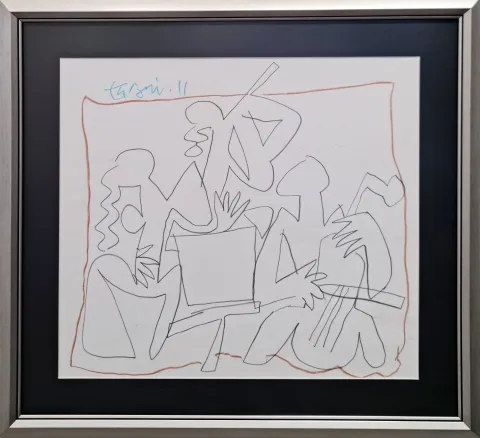


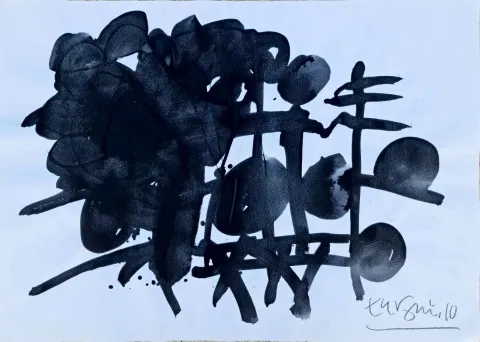
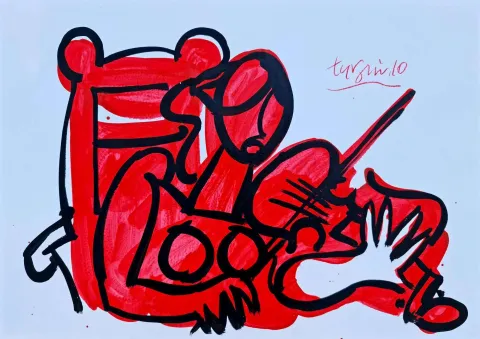
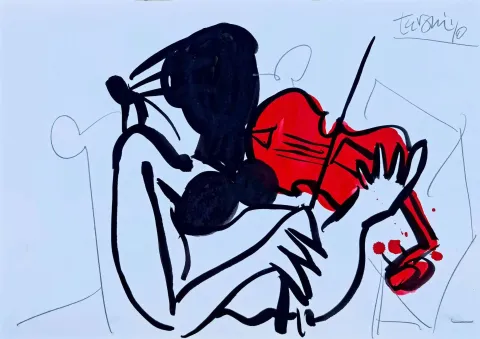
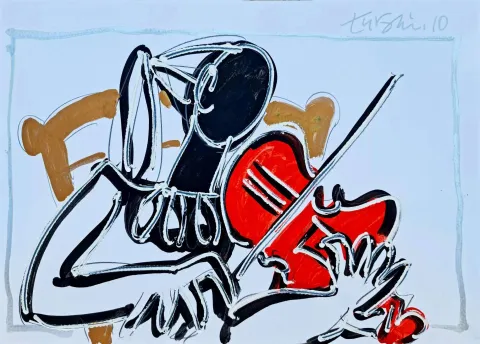



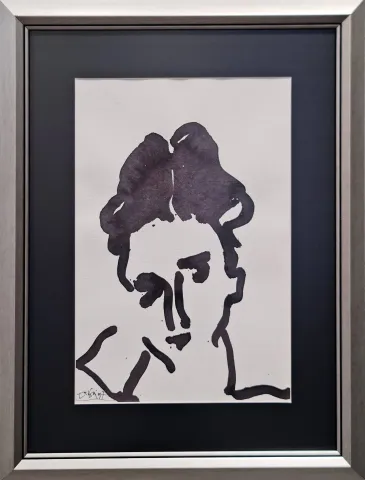
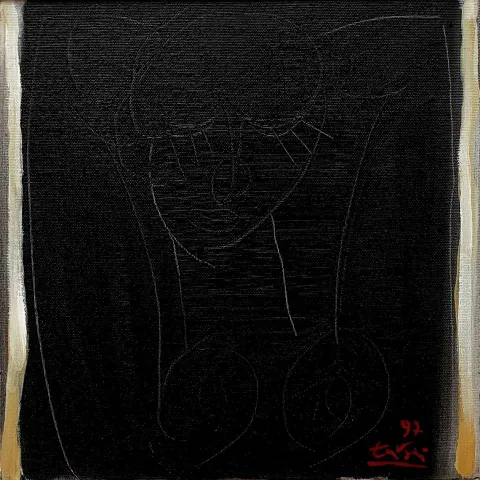
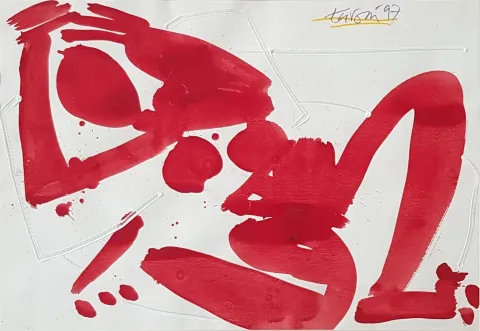
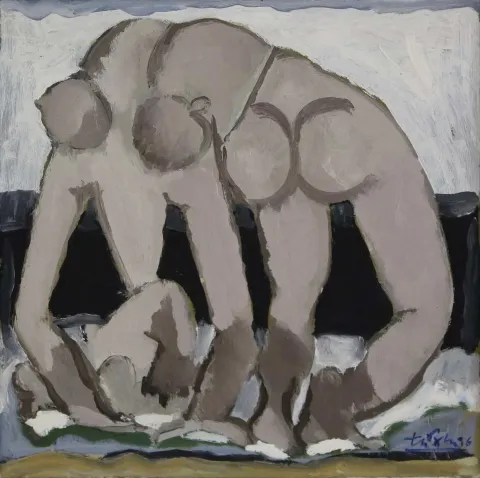
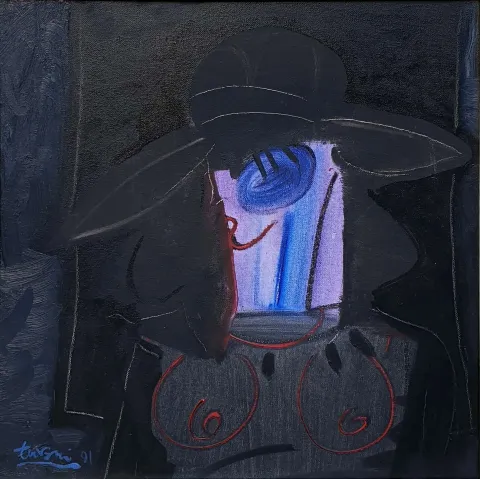
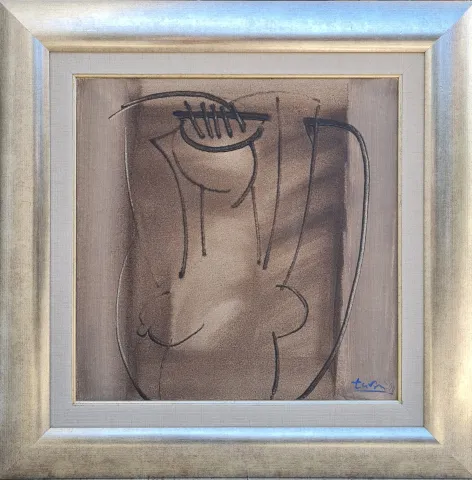
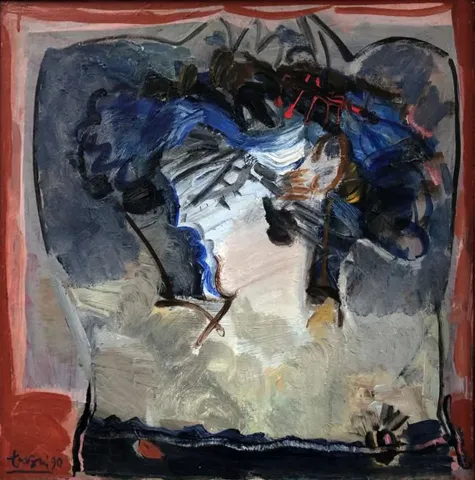
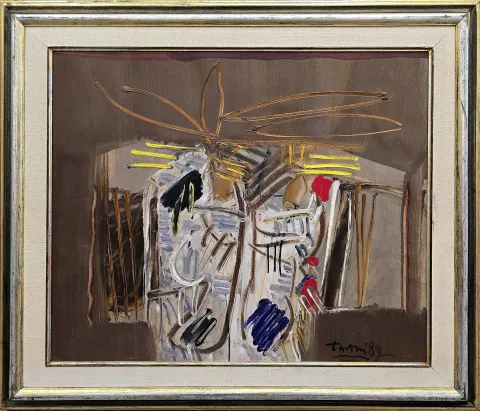
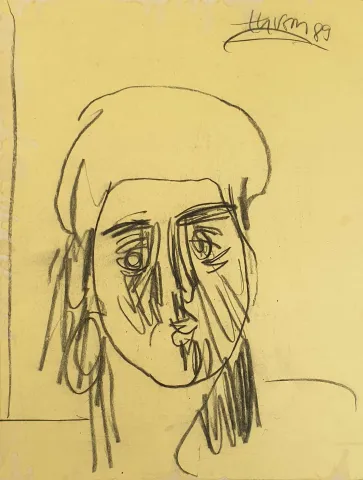
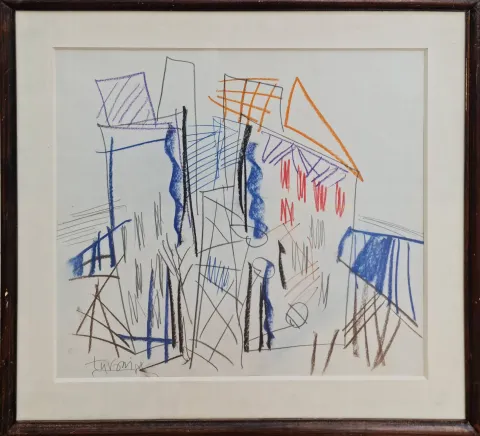
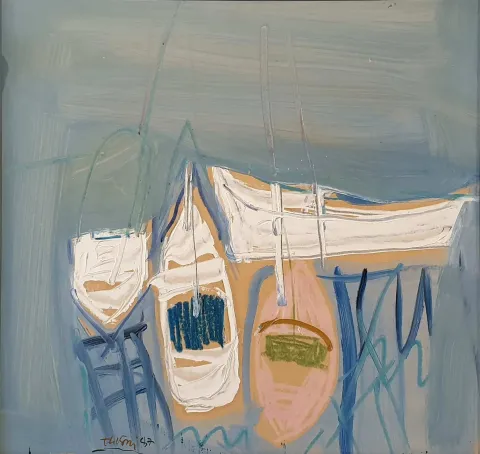
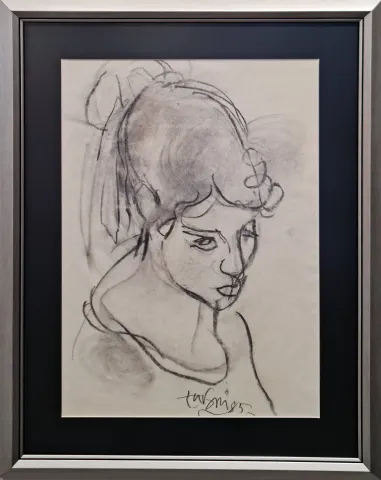

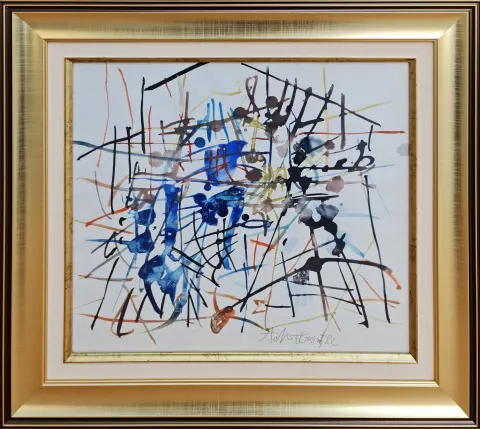
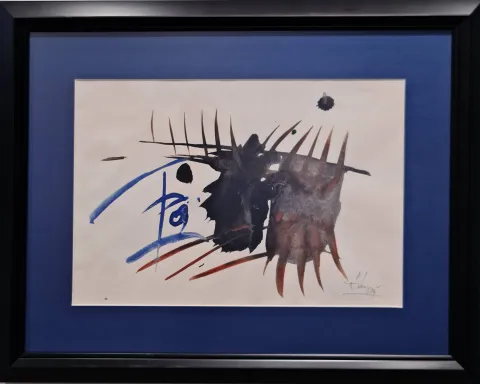


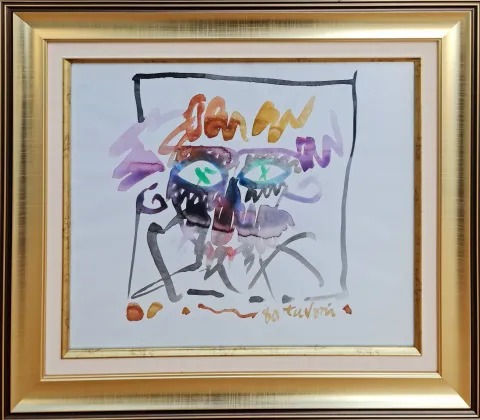
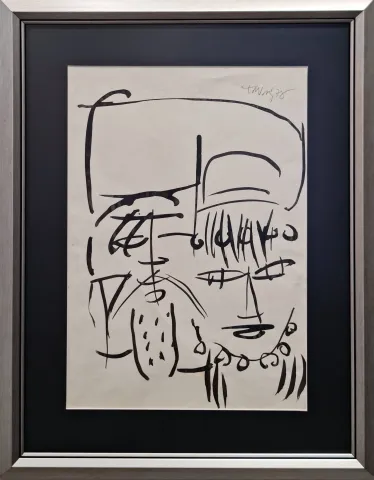


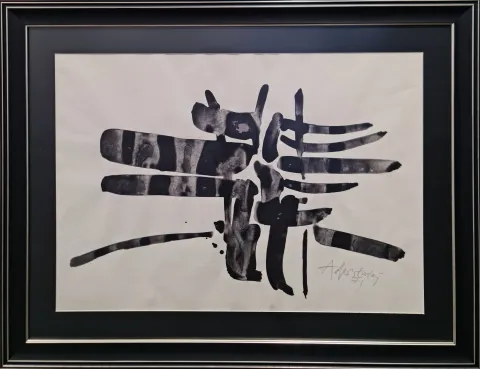
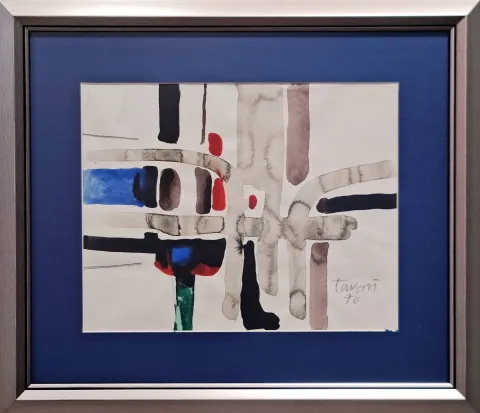
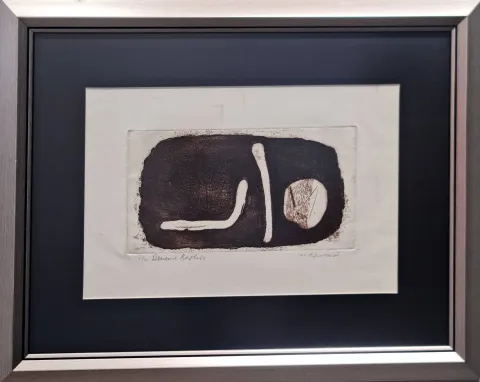
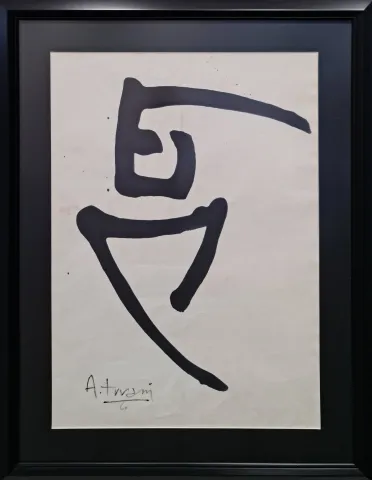
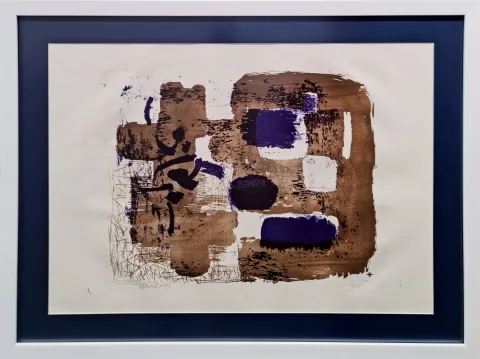
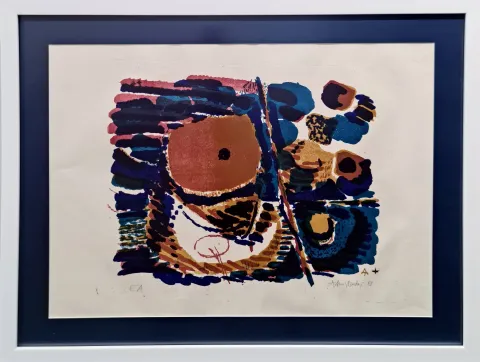
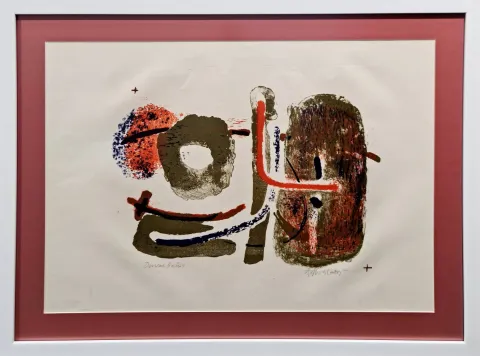
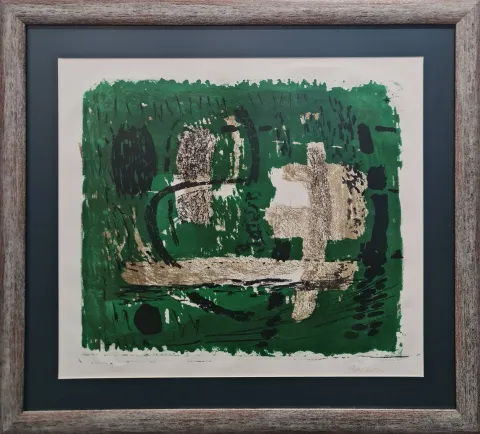

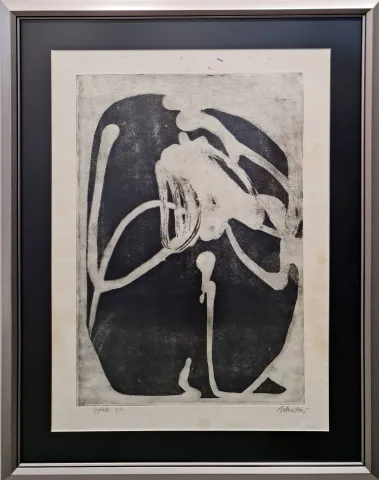
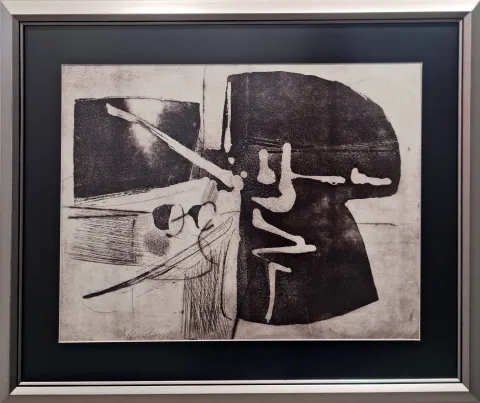
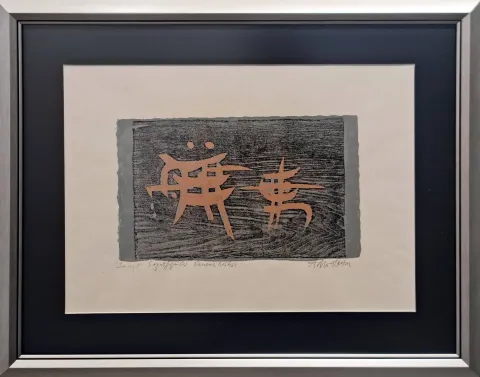
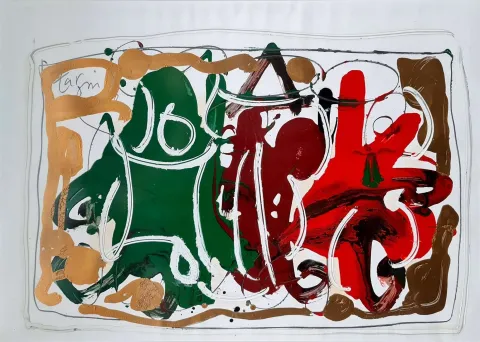
ADNAN TURANİ imzalı 14 eser daha galerimizde mevcut — görmek için bize yazın.
Galerimizde bu sanatçının siteye almadığımız eserleri var. Bilgilerinizi bırakın — danışmanımız uygun eserleri seçip en geç 24 saat içinde dönsün.
En geç 24 saat içinde size dönüş yapılacak.
Exhibition history
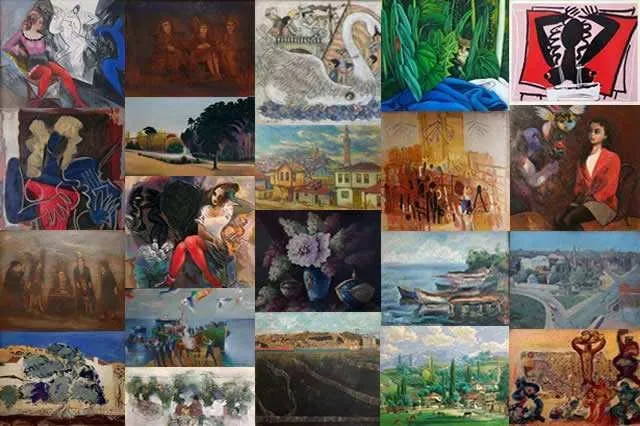
20 exhibitions








FAQ about ADNAN TURANİ
Who is ADNAN TURANİ?
ADNAN TURANİ (1925, Istanbul – 2016)Painter, art historian, academician. Born in 1925 in Beşiktaş / Istanbul. After graduating from the Istanbul Teachers' School as a primary school teacher, he won the talent examinations in 1945 and entered the Ankara Gazi Education Institute, Department of Painting and Crafts, graduating in 1948.
ADNAN TURANİ eserleri nereden satın alınır?
ADNAN TURANİ eserleri Galeri Soyut üzerinden satın alınabilir. Bu sayfadaki eser ızgarasından bir eseri açıp “Danışmana Sor” ile galeriye yazabilir, dilerseniz teklif verebilirsiniz. Fiyatı yayımlanmayan eserlerde fiyat bilgisi galeriden alınır; satılan eserler sertifikasıyla teslim edilir.
ADNAN TURANİ hangi tekniklerle çalışıyor?
Galeri Soyut’taki eserlerine göre en çok kullandığı teknikler: Kağıt üzeri karışık teknik, Tuval üzeri yağlı boya, Kağıt üzeri yağlı boya. Sitedeki eserleri 1942–2016 yılları arasına tarihleniyor.
ADNAN TURANİ hangi sergilerde yer aldı?
Galeri Soyut’ta 20 sergide yer aldı. En son: “GÜNCEL YORUMLAR” (15 Eylül – 20 Ekim 2026). Sergilerin tamamı bu sayfadaki “Sergi Tarihçesi” bölümünde listelidir.