Biography
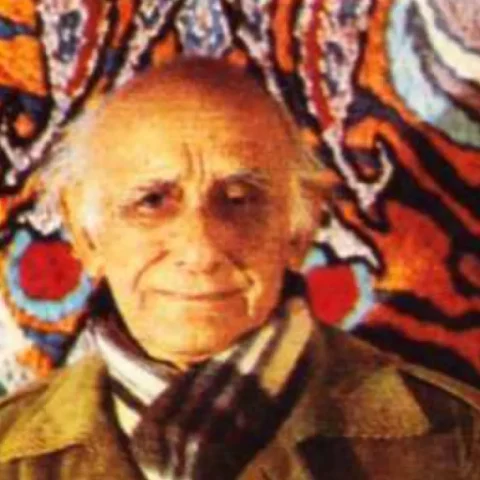
The Turkish painter Zeki Faik İzer was born in Istanbul in 1905. Growing up in a family interested in art, he showed an early interest in painting through the drawings he made as a child, and he attended Vefa Sultanisi. In 1923 he studied in the İbrahim Çallı Studio at the Academy of Fine Arts (Sanayii Nefise Mektebi). Between 1928 and 1932 he furthered his art education in Paris in the studios of Andre Lhote and Emile Othon Friezs ( I 879-1949).
On his return to Turkey, Zeki Faik was appointed painting instructor in the Painting and Crafts Department of the Gazi Institute of Education, and returned to Istanbul a year later. Although he was initially interested in cubism, he could not adapt himself to the geometricized, overly intellectual and measured technique of this style.
After his work in Lhote's studio, he found his teacher Friezs closer to his own sensibility. In 1933 he joined Group D as a founding member. In the group's first exhibitions, a dynamic and in some ways romantic character could be observed in İzer's work. In 1951 he founded the Institute of Turkish Art History, but as he could not come to terms with the government of the day, he withdrew from the directorship of the Institute in 1953.
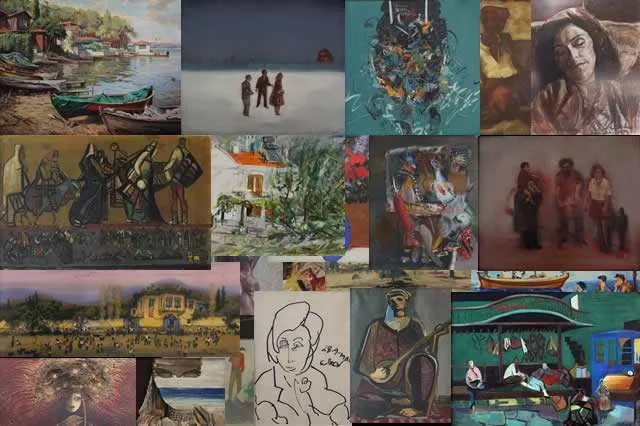
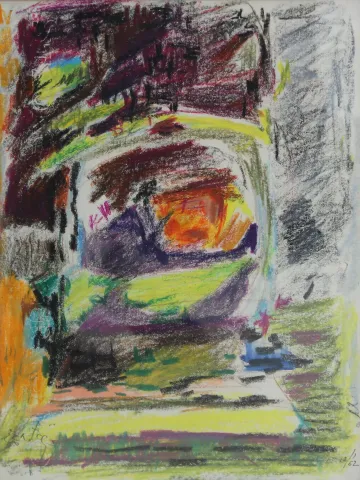
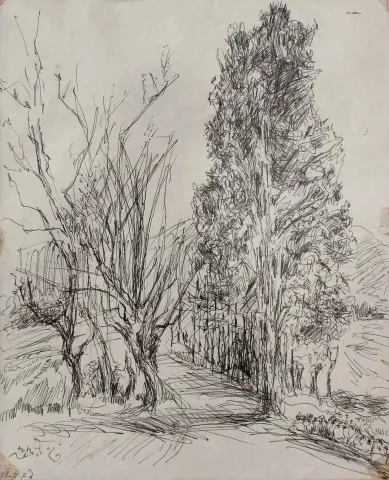
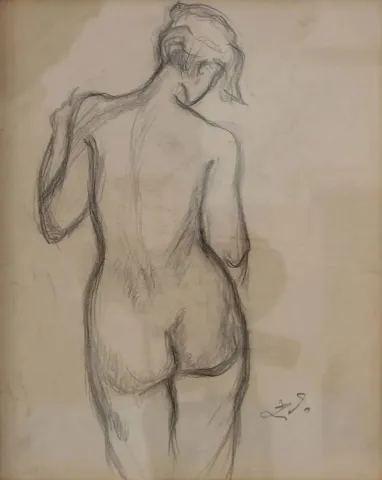
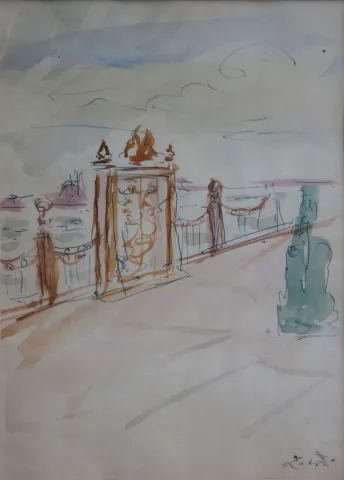
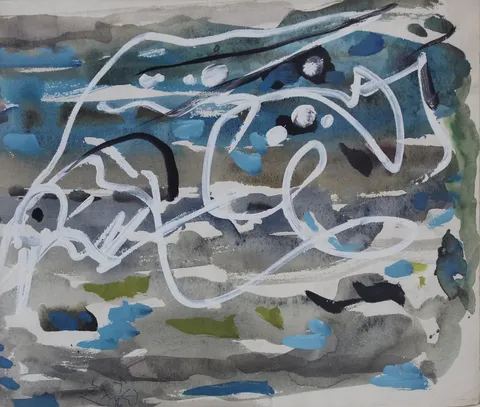
İzer, too, attached importance to drawing. His artistic work, which began in the 1930s with nude paintings and formal analyses based on the deformation of the figure, developed in the 1950s and afterward along abstract lines, with an approach independent of the object and non-figurative, within the framework of an active vitality encompassing the joint formations of line and color. This activity, extending from painting to carpet designs, is built on a level of care and determination not to step outside his own conception of expression in terms of line, color and stain.
After remaining attached to reality for a time, he reached his true expression in abstract art. In his works he developed a technique of applying color stains, stripped of external appearances and recalling no form or appearance of nature, to the surface of the canvas through plays of the brush, so as to create an effect that seemed unplanned and uncalculated. This technique corresponded to tachisme (stain painting) in modern art.
 Zeki Faik İzer kimdir? D Grubu’nun kurucularındanYazıyı oku →
Talk to our advisor about works by ZEKİ FAİK İZER, or follow the artist in the app to hear about new works first.


ZEKİ FAİK İZER imzalı eserler için bize yazın — sizin için araştıralım.
Looking for a work by this artist? Leave your details — our advisor will send you what we have and new arrivals within 24 hours.
En geç 24 saat içinde size dönüş yapılacak.